

Use Katowice as Your Base for Southern Poland
Katowice sits at the crossroads of southern Poland, where motorways converge and industrial heritage meets modern city life. While the city has its own draws — the red-brick Nikiszowiec district, the Culture Zone around the old coal mine, and a growing food scene — most visitors hire a car here to reach what lies beyond. Krakow, the Tatras, Auschwitz-Birkenau and the Czech border are all within reach once you have your own wheels.
The main collection point is Katowice Wojciech Korfanty Airport, timing that varies with traffic and conditions north of the city centre. Terminal B houses the rental desks, and the adjacent car park is a short walk away. If you are already in Katowice, some suppliers maintain city offices — though parking in the centre is limited and the A4 motorway is easier to access from the airport side. Weigh your first-day itinerary against convenience when choosing where to collect.
KTW, timing that varies with traffic and conditions north
Plan this first.
A4 & A1
Confirm before booking.
Industrial heritage
Confirm before booking.
Tatras via S7 south
Confirm before booking.
Match collection to the actual itinerary
Include transfers, parking days, opening hours and return timing when comparing the two options.
Airport pickup for mountain and heritage trips
Collecting at KTW puts you straight onto the A4 with connections toward Krakow, Wroclaw and the mountain roads south. For itineraries focused on the Tatras, historic sites or cross-border travel, airport pickup avoids backtracking through city streets.
City pickup for urban exploration first
If you plan to spend your first days exploring Katowice itself, a downtown office lets you do so without paying for parking you are not using. Collect the car once you are ready to head south or west.
Plan the handover, price and first drive
Katowice is a city that knows how to rebuild. Once dominated by coal and steel, it has transformed its industrial sites into concert halls, museums and public parks. The Spodek arena — shaped like a flying saucer — and the modernist Superjednostka housing block are symbols of that ambition.
But the real story of the region is written in the small towns and landscapes beyond the city. The wooden churches of the Beskids, the preserved streets of Krakow's Kazimierz district, and the solemn memorial at Auschwitz-Birkenau all lie within a few hours' drive.
Hiring a car in Katowice gives you the freedom to explore those stories at your own pace. You are not bound to tour schedules or rail timetables. You can stop when a view catches your eye, linger where history demands reflection, and change your mind when a local recommendation sends you down a different road.
Check the conditions behind the price
The selected supplier’s terms and booking voucher control the rental. Review them before payment and again before collection.
Total payable price
Compare the full payable amount and inclusions rather than an unsupported daily-price promise.
Deposit and payment card
Confirm the deposit, accepted card type and whose name must appear on the card.
Excess and cover
Read the renter's liability, exclusions and what any optional protection actually changes.
Fuel policy
Know the collection level, return requirement and whether a refuelling charge can apply.
Mileage and territory
Check any distance limit and where the vehicle may be driven.
Extras and return
Price additional drivers, seats, after-hours service and one-way return before payment.
Choose for people, bags and roads
A category normally represents a group of similar cars, not a promise of one exact model.
- Compact: convenient for couples and tighter parking.
- Intermediate: more room for bags and longer journeys.
- Family or SUV category: useful only when the required capacity justifies it.
- Transmission: select automatic explicitly if manual is unsuitable.
Practical planning before departure
Booking ahead
Summer, Christmas and Easter see heavy demand from Polish expats returning home. Reserve early to secure your preferred category.
Inspection advice
Polish rental firms often check vehicles carefully on return. Photograph the car from all angles before you leave the lot and keep the images until your deposit is released.
Motorway tolls
The A4 and A2 have tolled sections. Carry payment cards or cash for toll gates. Ask your supplier whether an electronic toll device is fitted.
Local access, road and operating conditions can change. Check current signs, your supplier instructions and the linked source before travelling: Poland official tourism information.
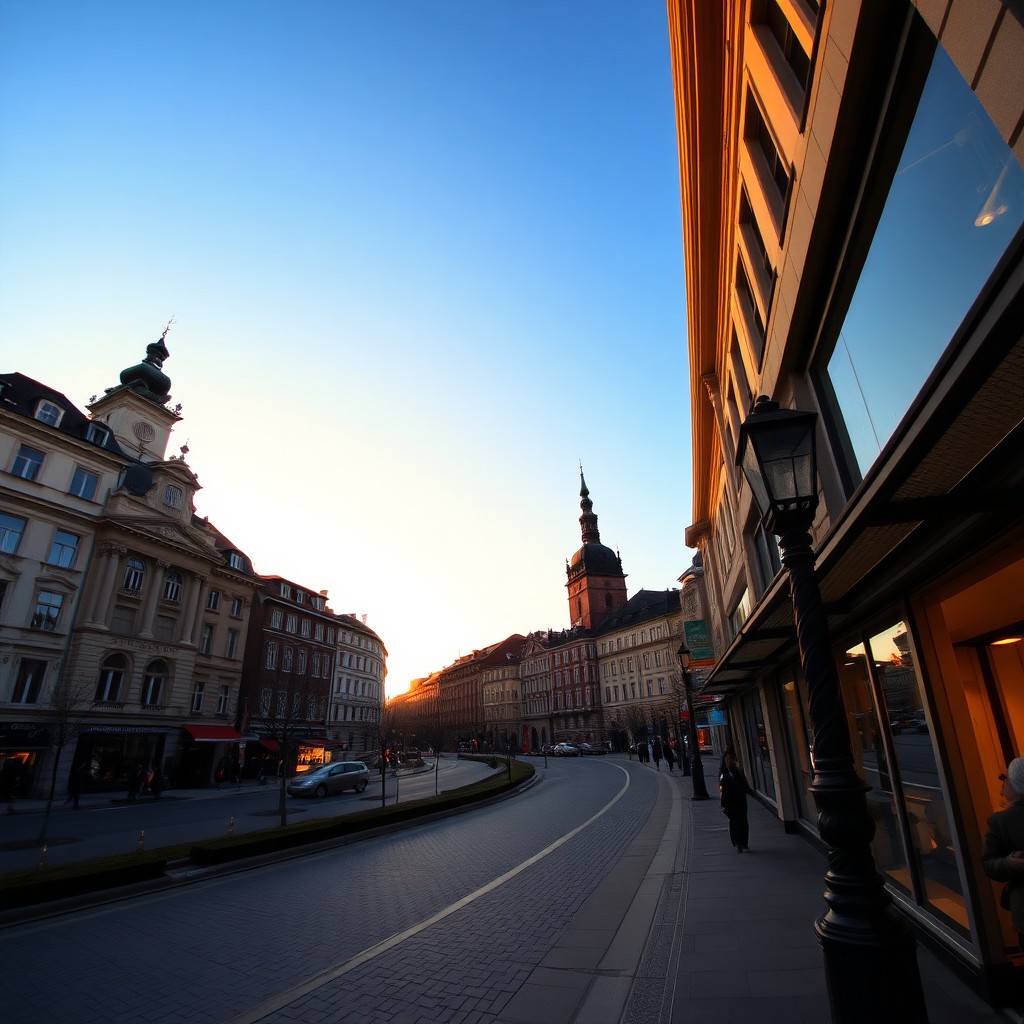
Build a realistic first journey
Katowice to Krakow
Follow the A4 east. The drive crosses the Silesian uplands before descending toward Krakow's basin. Expect slower traffic as you approach the city outskirts.
Katowice to Zakopane
Take the A4 south, then follow the S7 through mountain valleys. The road narrows and curves increase as you gain altitude. Winter equipment is essential from late autumn through spring.
Katowice to Czestochowa
Drive north on the A1. The Jasna Gora monastery is visible long before you reach the city. The route is straightforward motorway almost all the way.
Frequently asked questions
Is Katowice Airport the same as Katowice city?
No. KTW is located in Pyrzowice, timing that varies with traffic and conditions north of the city centre. Allow extra time for the transfer if you are staying in Katowice before pickup.
Can I drive to Slovakia or Czechia?
Yes, most suppliers permit cross-border travel to neighbouring EU countries. Declare your plans at booking so the correct insurance can be applied.
What is the fuel policy?
Full-to-full is standard. Return the car with a full tank to avoid refuelling fees.
Compare Katowice car hire
Enter dates above, then compare pickup method, vehicle category and complete supplier terms before booking.
Continue planning with All hire locations, Car Hire Krakow Airport | Rentals, Car Hire Wroclaw Airport | Rentals, Car Hire Bialystok from 75zł/day.