

Car Hire Salzburg — Mozart, Mountains and Open Road Freedom
Salzburg is the city that gave the world Mozart, The Sound of Music, and some of the most gorgeous Alpine views in Europe. Its baroque old town sits beneath the mighty Hohensalzburg Fortress, and while the centre itself is wonderfully walkable, the real magic starts when you get behind the wheel. The Austrian lake district, Bavarian villages just across the German border, and mountain passes that stop you mid-sentence are all within easy reach. A rental car turns Salzburg from a city break into a regional adventure.
Compare Salzburg Airport car hire when the route starts at the terminal rather than in the city. The selected voucher remains the authority for the exact office, handover point, operating procedure and return instructions.
Salzburg city and surrounding region
Plan this first.
City breaks, lakes and Alpine routes
Confirm before booking.
City and Salzburg Airport collection
Confirm before booking.
Vignette, winter and cross-border terms
Confirm before booking.
Match collection to the actual itinerary
Include transfers, parking days, opening hours and return timing when comparing the two options.
Collect at Salzburg Airport
Most visitors pick up their rental car at Salzburg Airport, which is conveniently located west of the city centre. The terminal is compact and easy to navigate compared with larger European hubs. Major providers operate here alongside local operators, and the whole process is usually straightforward. If you are already in the city or arriving by train, there are also rental offices near the main train station and at a few points around Salzburg. Just bear in mind that parking in the old town is limited, so if you are staying centrally it can be worth collecting the car on the day you leave the city rather than paying for a garage you do not need.
Explore Salzburg's Surroundings
The area around Salzburg rewards drivers more than almost any other Austrian base. The Salzkammergut lake district is close enough for a relaxed day trip, with Hallstatt and the Wolfgangsee both easy to reach. Cross into Bavaria and you can be in Berchtesgaden or heading toward Munich before lunch. In the other direction, the Grossglockner High Alpine Road and the heart of the Tyrol open up for anyone with a full tank and a vignette on the windscreen. Having a car means you set the pace, not the bus timetable.
Plan the handover, price and first drive
Ivan collected a car in Salzburg one October morning with no fixed plan beyond a vague idea of seeing a lake or two. The woman at the desk handed him the keys, pointed toward the car park, and said simply: the Wolfgangsee is worth the detour.
He took the A1 west, then cut south toward St. Gilgen. The road narrowed as it hugged the lake, the water so still it looked like a mirror someone had forgotten to dust. He pulled over twice, not because he needed to, but because the view demanded it. That is the thing about driving in this part of Austria — the journey is not a means to an end. It is the point.
By mid-afternoon he was in Hallstatt, parking on the edge of town and walking in. The village was busy, but not overwhelming. He had lunch looking across the lake at the houses stacked up the hillside, then drove back to Salzburg along a different route, past Bad Ischl and through farmland that glowed gold in the late sun. He returned the car with a full tank and a camera full of photographs he still looks at.
Check the conditions behind the price
The selected supplier’s terms and booking voucher control the rental. Review them before payment and again before collection.
Total payable price
Compare the full payable amount and inclusions rather than an unsupported daily-price promise.
Deposit and payment card
Confirm the deposit, accepted card type and whose name must appear on the card.
Excess and cover
Read the renter's liability, exclusions and what any optional protection actually changes.
Fuel policy
Know the collection level, return requirement and whether a refuelling charge can apply.
Mileage and territory
Check any distance limit and where the vehicle may be driven.
Extras and return
Price additional drivers, seats, after-hours service and one-way return before payment.
Choose for people, bags and roads
A category normally represents a group of similar cars, not a promise of one exact model.
- Compact: convenient for couples and tighter parking.
- Intermediate: more room for bags and longer journeys.
- Family or SUV category: useful only when the required capacity justifies it.
- Transmission: select automatic explicitly if manual is unsuitable.
Practical planning before departure
Motorway Vignette
Austria requires a vignette for motorway use. You can buy a digital version in advance or pick up a physical sticker at petrol stations and border crossings. The rental vehicle may already have one, but always confirm with your supplier before driving on the A1 or A10.
Crossing into Germany
Salzburg sits right on the German border, so day trips into Bavaria are common. Check with your supplier that cross-border travel is permitted and whether any additional documentation is needed. The rules vary by provider and vehicle category.
Parking in the Old Town
On-street parking in Salzburg's historic centre is heavily restricted and expensive. Most visitors leave the car at their accommodation or in a Park & Ride on the edge of town when exploring the old town on foot.
One-Way Drops
If you are planning a wider trip through Austria, ask your supplier about one-way rental options. Dropping the car in Vienna, Innsbruck or Graz is possible with some providers, though fees and advance notice requirements differ.
Local access, road and operating conditions can change. Check current signs, your supplier instructions and the linked source before travelling: Salzburg Airport.
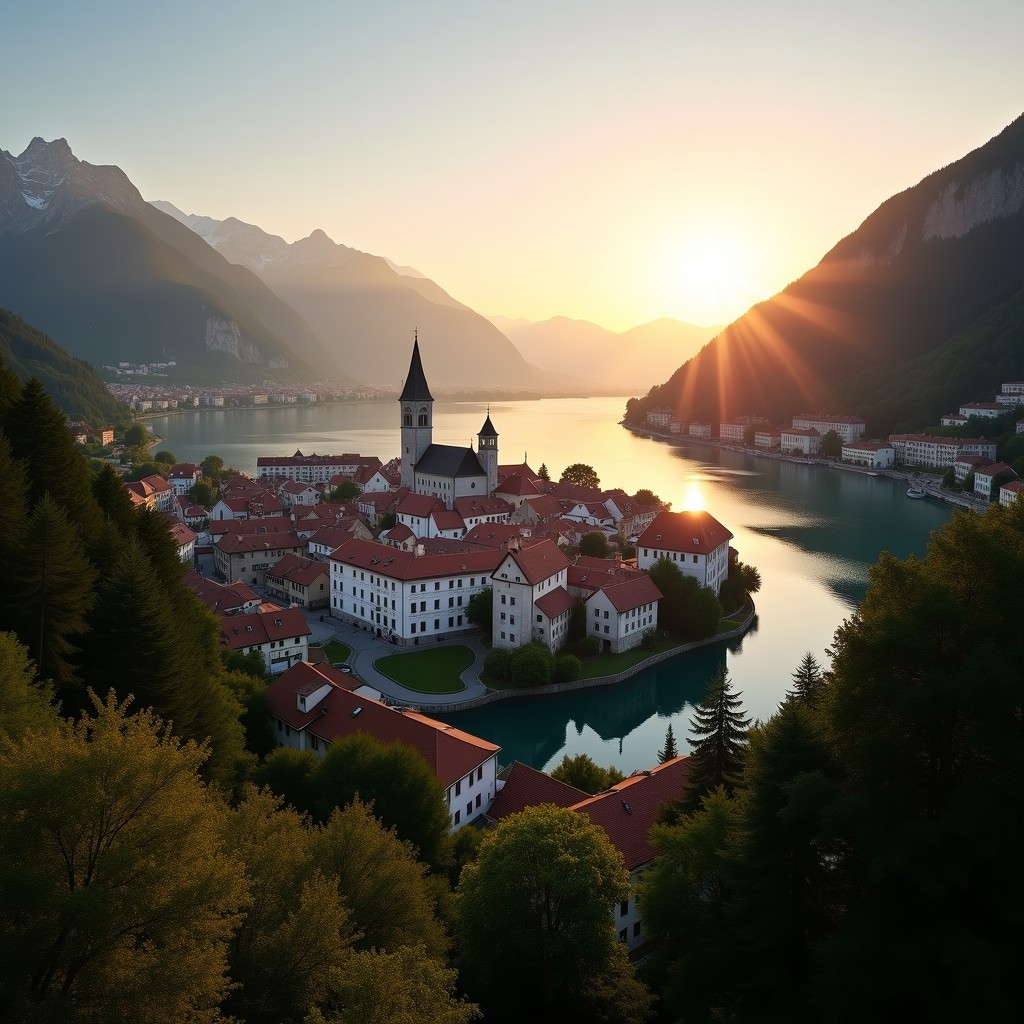
Build a realistic first journey
Salzburg to Hallstatt
This is one of the most photographed drives in Austria. The route takes you through the Salzkammergut lake district, past the Wolfgangsee and Bad Ischl, before arriving at the lakeside village of Hallstatt. Allow extra time for traffic in peak season and be prepared for narrow lakeside roads.
Salzburg to Munich
A straightforward run north on the A8 autobahn into Bavaria. The road passes close to Berchtesgaden National Park, so it is worth planning a stop if you have time. Check current conditions before leaving, as border crossings and peak-period congestion can add delays.
Alpine Pass Loop
For confident drivers, a loop south through the Alps via the Grossglockner High Alpine Road or the smaller mountain passes around Bischofshofen delivers unforgettable scenery. These routes are seasonal and weather-dependent, so check pass status before setting out.
Frequently asked questions
Do I need an International Driving Permit in Austria?
A full valid licence from your home country is usually enough for short-term visitors, but an International Driving Permit is recommended and may be required by some suppliers. Check the specific terms of your booking before you travel.
Can I drive my rental car into Germany or Slovenia?
Cross-border travel is generally allowed, but it depends on the supplier and the vehicle category. Always confirm in advance and ask whether any additional insurance or documentation is needed.
Is Salzburg Airport easy for car hire pickup?
Yes. Salzburg Airport is smaller than Vienna and the rental desks are in or close to the terminal. The car park is a short walk away, so there is no need for a shuttle bus in most cases.
What is the best time of year to hire a car in Salzburg?
Late spring through early autumn gives you the best chance of open Alpine passes and pleasant weather for lake and mountain routes. Winter driving is possible but requires proper equipment and experience with Alpine conditions.
Compare Salzburg car hire
Enter dates above, then compare pickup method, vehicle category and complete supplier terms before booking.
Continue planning with Austria car hire, Vienna Airport car hire, All car hire locations.