

Rent a Car in Bucharest and Explore Romania from the Inside Out
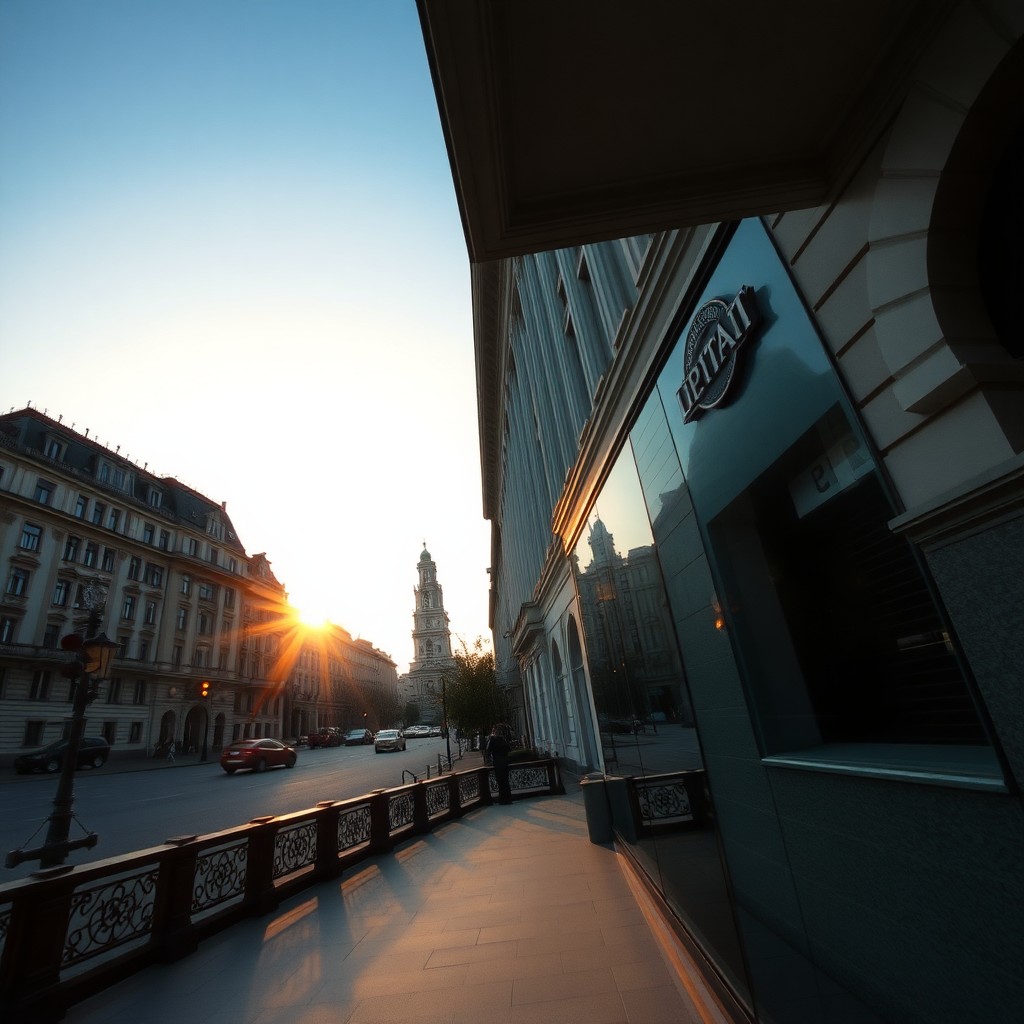
Bucharest is Romania's political, economic, and cultural centre — a city of two million people spread across a flat plain at the edge of the Carpathian foothills. For first-time visitors, it can seem overwhelming: wide boulevards lined with communist-era apartment blocks, sudden pockets of 19th-century elegance, and a nightlife scene that rivals any in Eastern Europe. But Bucharest rewards those who give it time. The old town — Lipscani and its surrounding streets — has been revitalised into a dense network of restaurants, bars, and boutiques housed in historic buildings. The Palace of the Parliament, Ceaușescu's monumental legacy, is unavoidable and best experienced through a guided tour. Beyond the centre, neighbourhoods like Dorobanți and Cotroceni offer a quieter, more residential view of the city. For travellers planning wider Romanian exploration, Bucharest is the logical place to collect a car. The capital has the largest concentration of rental offices, and its road connections reach every region of the country.
The practical case for hiring a car in Bucharest is straightforward. Romania's most compelling destinations — Brașov, Sighișoara, the painted monasteries of Bucovina, the Danube Delta — are not easily reached by train from the capital within a single day. The rail network exists but is slow by Western European standards, and bus services to smaller towns are infrequent. With a car, you can leave Bucharest after breakfast and reach Brașov by late morning, or head east toward the Black Sea coast in time for an afternoon swim. The A1 and A2 motorways are modern and well maintained, while older national roads pass through villages where life has changed little in decades.
~2 million (city proper)
Plan this first.
Brașov / Transylvania
Confirm before booking.
A1, A2, A3 (partial)
Confirm before booking.
Driving licence, passport, credit card
Confirm before booking.
Match collection to the actual itinerary
Include transfers, parking days, opening hours and return timing when comparing the two options.
City Centre Pickup
Several rental agencies maintain offices in central Bucharest, particularly near Piața Unirii and Gara de Nord. City pickup avoids an initial airport transfer if you are already staying in the capital. Confirm exact opening hours, as city offices often close earlier than airport desks.
Airport Collection at OTP
Henri Coandă International Airport is north of the city and hosts the widest selection of rental suppliers. If you are arriving by air, this is usually a potentially practical option. The airport desks are in the arrivals terminal, with car collection in adjacent parking areas.
Plan the handover, price and first drive
Bucharest's identity is layered and sometimes contradictory. The Parisian influence of the late 19th century survives in the arcaded streets of the old town and the grand villas of the Calea Victoriei. The communist period added massive housing blocks and the surreal scale of the Palace of the Parliament. The post-1989 decades brought glass towers, shopping malls, and a tech sector that now rivals any in the region.
For visitors, the city's energy is its defining feature. Bucharest's restaurant scene covers traditional Romanian cooking, modern Balkan fusion, and authentic Asian cuisines. The craft beer movement has produced multiple local breweries, and the coffee culture has evolved beyond the traditional 'cafea la ibric' to include specialty roasters and pour-over bars.
But the city's real gift to travellers is its position. No other Romanian city offers such direct road access to so many regions. From Bucharest, you can reach the Carpathians, the Black Sea, the Danube Delta, and the Hungarian border within a day's drive. This makes it the natural hub for any itinerary that covers multiple parts of the country.
If you have a week, drive the classic loop: Bucharest → Brașov → Sighișoara → Cluj-Napoca → returned via the Apuseni Mountains or the Transalpina road. If you have less time, focus on Brașov and Bran Castle as a minimum. Either way, a car transforms Bucharest from a city break into the gateway to a much larger experience.
Check the conditions behind the price
The selected supplier’s terms and booking voucher control the rental. Review them before payment and again before collection.
Total payable price
Compare the full payable amount and inclusions rather than an unsupported daily-price promise.
Deposit and payment card
Confirm the deposit, accepted card type and whose name must appear on the card.
Excess and cover
Read the renter's liability, exclusions and what any optional protection actually changes.
Fuel policy
Know the collection level, return requirement and whether a refuelling charge can apply.
Mileage and territory
Check any distance limit and where the vehicle may be driven.
Extras and return
Price additional drivers, seats, after-hours service and one-way return before payment.
Choose for people, bags and roads
A category normally represents a group of similar cars, not a promise of one exact model.
- Compact: convenient for couples and tighter parking.
- Intermediate: more room for bags and longer journeys.
- Family or SUV category: useful only when the required capacity justifies it.
- Transmission: select automatic explicitly if manual is unsuitable.
Practical planning before departure
Bucharest Traffic
Rush hour in Bucharest runs roughly 07:30–09:30 and 17:00–19:30. Major arteries including Șoseaua Pipera, Bulevardul Unirii, and the Centura (ring road) experience significant delays. Plan travel outside these windows where possible.
Parking
Street parking in central zones is metered via SMS or parking app. Underground garages are available in the old town and near major hotels. Avoid leaving valuables visible in parked cars.
Ring Road Navigation
The Centura București is a busy orbital route used by trucks and local traffic alike. It is essential for reaching motorways without crossing the city centre, but signage can be unclear at interchanges — GPS is strongly recommended.
Fuel Stops
Petrol stations are plentiful on major routes. Most accept card payments. In rural areas, smaller stations may have shorter hours or prefer cash. Fill up before long mountain drives as stations become sparse at altitude.
Local access, road and operating conditions can change. Check current signs, your supplier instructions and the linked source before travelling: Romanian Border Police travel information.
Build a realistic first journey
Bucharest to the Transfăgărășan Highway
West via Pitești, then north into the Făgăraș Mountains. This is Romania's most famous driving route, typically open June through October. The road climbs to over 2,000 metres with lake views, tunnels, and switchbacks. Check opening status before departure.
Bucharest to Sighișoara
Northwest through Brașov to one of Europe's best-preserved medieval citadels. Sighișoara's old town is a UNESCO World Heritage site and the birthplace of Vlad III. The drive from Bucharest takes several hours — allow extra time for traffic and mountain roads.
Bucharest to the Black Sea Coast
East on the A2 motorway toward Constanta, then north or south along the coast. Mamaia, Eforie, and Vama Veche each offer different beach experiences. Summer weekends bring heavy traffic from Bucharest residents heading to the sea.
Frequently asked questions
Is Bucharest car hire available for one-way trips?
Some suppliers allow one-way rentals within Romania, though fees may apply. One-way international returns are less common and require advance arrangement. Check terms before booking.
What vehicle type is best for Bucharest?
A compact or mid-size car is ideal for city streets and mountain roads. Automatic transmissions are available but less common than manuals — request specifically if needed. SUVs are unnecessary unless you plan extensive winter mountain driving.
Can I drive from Bucharest to Bulgaria?
Yes, with a supplier that permits cross-border travel. The border at Ruse is the most direct crossing. Additional insurance and documentation are typically required — confirm all details before leaving.
Is Bucharest safe for foreign drivers?
Bucharest is generally safe, but driving standards are more assertive than in Western Europe. Defensive driving, GPS navigation, and avoiding peak hours will make the experience manageable for most visitors.
Compare Bucharest car hire
Enter dates above, then compare pickup method, vehicle category and complete supplier terms before booking.
Continue planning with All 365 Car Hire locations, Car Hire Oradea | Rentals | 365 Car Hire, Car Hire Bacau — Compare Deals from 75lei/day | 365 Car Hire, Car Hire Baia Mare from 90lei/day.