

Car Hire Chubu Airport — Gateway to Central Japan's Mountains and Coast
Chubu Centrair International Airport, built on an artificial island in Ise Bay, serves the Nagoya region and acts as the perfect launching point for exploring central Japan. This is the gateway to the Japanese Alps, the historic post towns of the Nakasendo, the hot springs of Gero, and the UNESCO villages of Shirakawa-go—all destinations that are infinitely easier to reach with a rental car. The airport is south of Nagoya, Japan's fourth-largest city and an industrial powerhouse. But the real treasures lie beyond the city: mountain drives through dramatic gorges, coastal routes along the Noto Peninsula, and rural landscapes that feel lifted from woodblock prints. A rental car here turns a city break into a full regional exploration.
Car rental counters at Chubu Airport are located in the Access Plaza connected to the terminal. Major operators include Toyota Rent a Car, Orix, Nissan, and Times. The vehicle collection areas are adjacent to the building, reached on foot from baggage claim. International visitors require an International Driving Permit (IDP) issued under the 1949 Geneva Convention. Australia, the UK, the USA, and most European countries participate. Arrange your IDP before travel, as it cannot be obtained in Japan. Counter hours typically run from early morning until late evening, aligned with international and domestic flight schedules.
Chubu Centrair International (NGO)
Plan this first.
Nagoya, Japanese Alps, Shirakawa-go
Confirm before booking.
International Driving Permit (IDP)
Confirm before booking.
Mountain roads close in heavy snow
Confirm before booking.
Match collection to the actual itinerary
Include transfers, parking days, opening hours and return timing when comparing the two options.
Compact Car
A compact car suits visitors focused on Nagoya city and day trips to nearby attractions like Inuyama Castle or the Toyota museums. Easy to manoeuvre through urban traffic and park in tight Japanese city centres, with good fuel economy for expressway driving.
Mid-size Sedan or SUV
For trips into the Japanese Alps, to Takayama, or along the Noto Peninsula, a larger vehicle offers more comfort and luggage space. Mountain roads can be narrow and winding, so a vehicle with good handling and sufficient power is worth considering.
Plan the handover, price and first drive
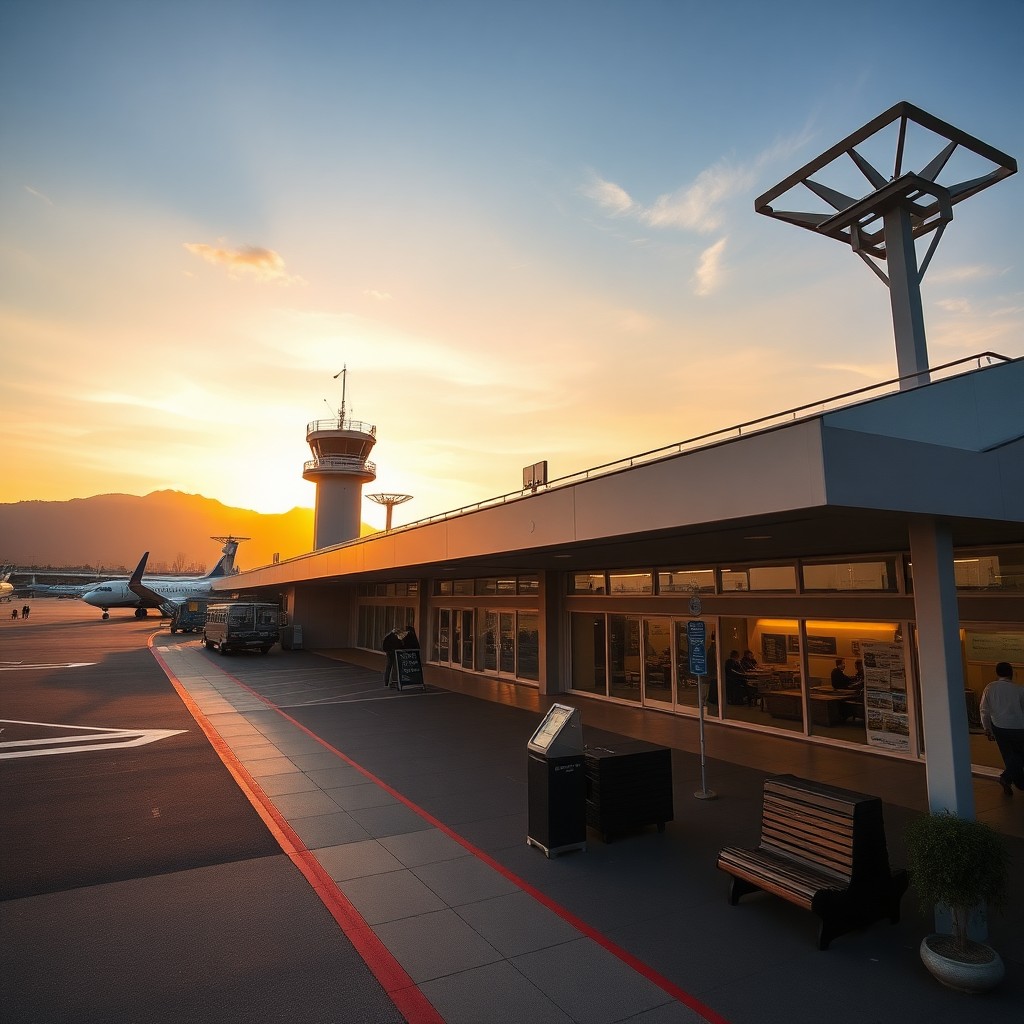
I landed at Centrair in late October, when the Japanese Alps were turning gold and red. The airport itself is oddly beautiful—built on reclaimed land, surrounded by water on three sides. I collected a compact sedan and drove straight into Nagoya for dinner of miso katsu, the city's signature dish.
The next morning I headed for the mountains. The road to Takayama climbed through tunnels that opened onto valleys where farmers were harvesting rice. The old town itself was everything the guidebooks promised: wooden houses, sake breweries with cedar balls hanging outside, and a morning market along the river where old women sold pickles and mountain vegetables.
Shirakawa-go was the day's real prize. The thatched roofs against autumn mountains looked like a scene from a Miyazaki film. I stayed in a minshuku run by a family who had lived there for generations. Dinner was local soba and mountain trout, cooked over a hearth in the centre of the room.
Central Japan rewards drivers who take their time. The expressways are fast, but the smaller roads are where you find the farm stands, the hidden shrines, and the villages that have not changed in centuries. A rental car is not just transport here—it is the whole point of the trip.
Check the conditions behind the price
The selected supplier’s terms and booking voucher control the rental. Review them before payment and again before collection.
Total payable price
Compare the full payable amount and inclusions rather than an unsupported daily-price promise.
Deposit and payment card
Confirm the deposit, accepted card type and whose name must appear on the card.
Excess and cover
Read the renter's liability, exclusions and what any optional protection actually changes.
Fuel policy
Know the collection level, return requirement and whether a refuelling charge can apply.
Mileage and territory
Check any distance limit and where the vehicle may be driven.
Extras and return
Price additional drivers, seats, after-hours service and one-way return before payment.
Choose for people, bags and roads
A category normally represents a group of similar cars, not a promise of one exact model.
- Compact: convenient for couples and tighter parking.
- Intermediate: more room for bags and longer journeys.
- Family or SUV category: useful only when the required capacity justifies it.
- Transmission: select automatic explicitly if manual is unsuitable.
Practical planning before departure
Picking Up Your Car
After clearing customs, follow signs to the Access Plaza rental area. Your voucher shows the exact operator location and vehicle collection instructions. Inspect for existing damage, confirm fuel policy, and ask about expressway ETC card options.
Driving Around Nagoya
Nagoya's expressway network is extensive but can be confusing for first-time visitors. GPS navigation is essential—most rental cars include English-language systems. Allow extra time for traffic during morning and evening rush periods.
Toll Roads
The Meishin and Chuo Expressways connect Nagoya to Kyoto, Osaka, and the mountain regions. ETC cards save time at toll booths. Ask your rental supplier about toll payment methods and any expressway pass packages that might suit your route.
Return Process
Return your vehicle to the airport rental lot with a full fuel tank unless your rental terms state otherwise. Allow extra time for traffic when heading back to the airport, particularly during weekday mornings. Your voucher will specify exact drop-off procedures.
Local access, road and operating conditions can change. Check current signs, your supplier instructions and the linked source before travelling: Chubu Centrair Airport.
Build a realistic first journey
Nagoya
The city offers Nagoya Castle, the ancient Atsuta Shrine, and the Toyota Commemorative Museum of Industry and Technology. The Sakae district has excellent shopping and dining, while the Osu area mixes temples with retro arcade culture.
Takayama
The beautifully preserved old town in the Japanese Alps is a highlight of any central Japan trip. The route crosses mountain passes with stunning views. Takayama's morning markets, sake breweries, and traditional houses reward a full day's exploration.
Shirakawa-go
The UNESCO World Heritage village with its distinctive thatched-roof gassho-zukuri houses is accessible by car or bus. The drive is spectacular in autumn and winter, though mountain roads can be challenging in snow. Stay overnight to see the village without day-trip crowds.
Gero Onsen
One of Japan's top three hot spring towns, Gero has been attracting bathers for over a thousand years. The town stretches along a river gorge, with public foot baths, ryokan baths, and a atmospheric old streets perfect for evening strolls.
Frequently asked questions
Do I need an IDP to drive in Japan?
Yes, for most foreign visitors. The 1949 Geneva Convention IDP is required alongside your domestic licence. Australia, the UK, the USA and most European countries are covered. Obtain this before leaving home.
Are the mountain roads difficult?
Japanese alpine roads are well-maintained but narrow and winding. In winter, some passes close entirely. Spring through autumn is the easiest season, though summer brings heavy tourist traffic to Shirakawa-go.
Can I use my hotel as a base for day trips?
Absolutely. Nagoya has excellent hotels at various price points, and the expressway network makes Takayama, Ise, and even Kyoto viable day trips by car. Just factor in toll costs and allow extra time for traffic.
What about parking in Nagoya?
City centre parking is expensive but available at hotels and public car parks. Many hotels offer overnight parking for guests. Outside the city, parking is generally free or inexpensive at attractions and restaurants.
Compare Chubu Intl Airport car hire
Enter dates above, then compare pickup method, vehicle category and complete supplier terms before booking.
Continue planning with Explore all Japan car hire locations, Car Hire Shin-Fuji Station, Car Hire Hakata Station | Fukuoka City Rentals from ¥3,800/day, Car Hire Miyanoura Port.