

See More of Northern Poland With a Gdansk Rental Car
Gdansk is the anchor of Poland's Tri-City, but the real reward comes when you venture beyond its medieval core. Sopot's beach promenade, Gdynia's cliffs and the Kashubian lake district all sit within easy reach — if you have your own transport. Hiring a car in Gdansk turns a city break into a coastal road trip, letting you set your own timetable instead of relying on train connections that thin out as you move away from the urban centre.
Most visitors collect their vehicle at Gdansk Lech Wałęsa Airport, timing that varies with traffic and conditions west of the Old Town. The airport's compact layout keeps handover quick, and the S6 expressway feeds straight into the Tri-City road network. If you are already staying in the city centre, several suppliers also maintain downtown offices — though parking near the Main Town can be tight and pedestrian zones limit where you can drive. Compare both pickup options against your itinerary before you book.
Approx. timing that varies with traffic and conditions west of centre
Plan this first.
S6 expressway
Confirm before booking.
Coast & lake region
Confirm before booking.
Pomerania & Kashubia
Confirm before booking.
Match collection to the actual itinerary
Include transfers, parking days, opening hours and return timing when comparing the two options.
Airport pickup advantages
Flying into Gdansk and collecting your car at the terminal avoids a separate airport-to-city transfer. You are on the road within minutes of landing, with direct motorway access to Sopot, Gdynia and the Hel Peninsula. For trips where the city is only a brief stop before coastal exploration, airport pickup is usually the smoother choice.
City-centre collection considerations
If your first days are dedicated to Gdansk's museums, canals and waterfront dining, a downtown office lets you explore on foot before you collect the car. Just confirm parking arrangements at your hotel — on-street spaces are scarce in the historic core and most garages charge daily rates.
Plan the handover, price and first drive
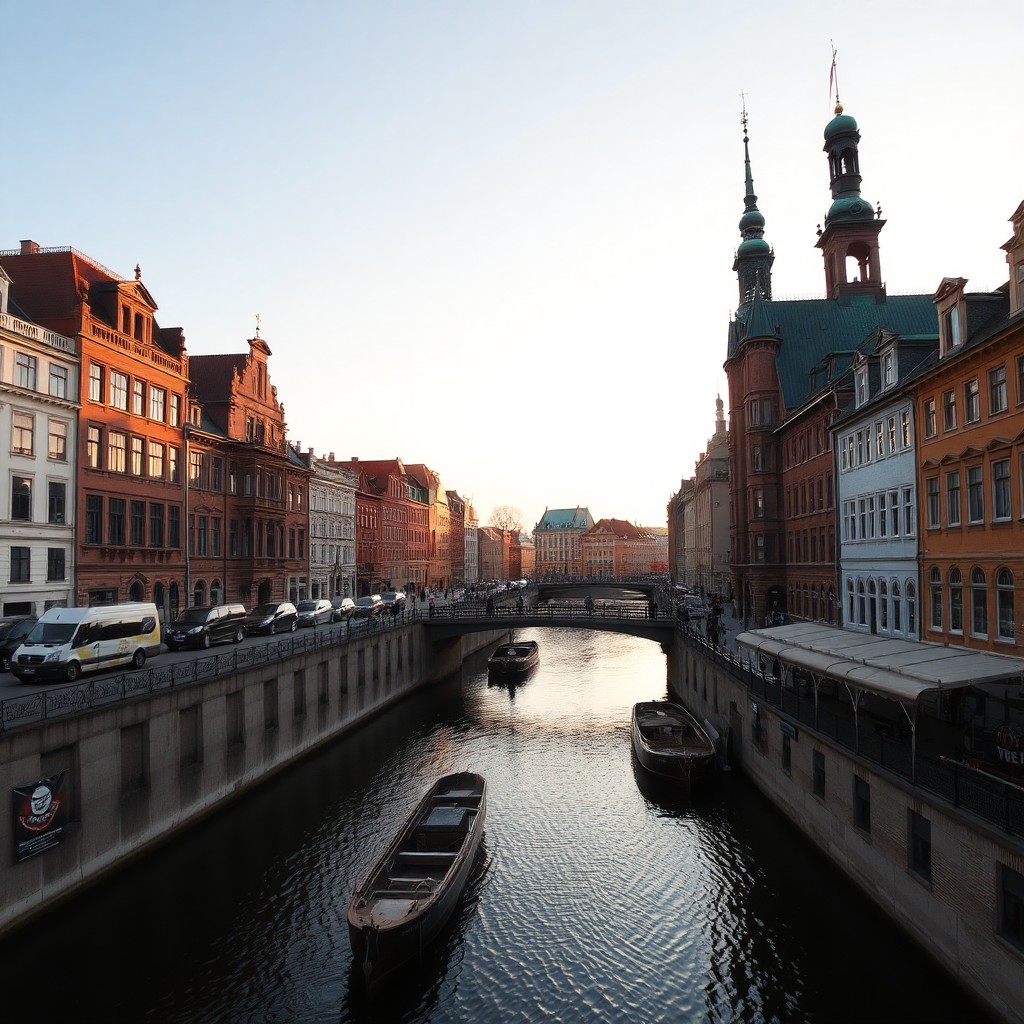
Gdansk's identity has always been tied to the water. For centuries, the city was a member of the Hanseatic League, its merchants trading amber, grain and timber across the Baltic and North Seas.
That mercantile energy still shapes the place. Shipyards, cranes and maritime museums sit alongside Gothic churches and narrow cobblestone lanes. But the true scale of the region only becomes clear when you drive beyond the city limits.
A car lets you follow the coast east to the Hel Peninsula, where pine forests meet sand dunes, or south into the lake district where Kashubian culture survives in local dialects and cuisine. Northern Poland rewards the curious traveller, and a rental car is the key that unlocks it.
Check the conditions behind the price
The selected supplier’s terms and booking voucher control the rental. Review them before payment and again before collection.
Total payable price
Compare the full payable amount and inclusions rather than an unsupported daily-price promise.
Deposit and payment card
Confirm the deposit, accepted card type and whose name must appear on the card.
Excess and cover
Read the renter's liability, exclusions and what any optional protection actually changes.
Fuel policy
Know the collection level, return requirement and whether a refuelling charge can apply.
Mileage and territory
Check any distance limit and where the vehicle may be driven.
Extras and return
Price additional drivers, seats, after-hours service and one-way return before payment.
Choose for people, bags and roads
A category normally represents a group of similar cars, not a promise of one exact model.
- Compact: convenient for couples and tighter parking.
- Intermediate: more room for bags and longer journeys.
- Family or SUV category: useful only when the required capacity justifies it.
- Transmission: select automatic explicitly if manual is unsuitable.
Practical planning before departure
Peak-season queues
July, August and public holidays see the highest demand. Booking ahead secures your preferred vehicle class and reduces wait times at the desk.
Damage inspection
Walk around the vehicle and photograph any scratches or dents before you leave the lot. Polish rental firms can be thorough on return, so documented evidence protects you.
Toll roads
Poland has a small number of tolled motorway sections. Carry coins or a card for automatic payment lanes — your supplier can confirm whether an on-board toll device is included.
Local access, road and operating conditions can change. Check current signs, your supplier instructions and the linked source before travelling: Poland official tourism information.
Build a realistic first journey
Gdansk to Sopot
Follow the S6 coastal road east. The route runs parallel to the railway and offers sea glimpses before you reach Sopot's famous pier and promenade. Weekend traffic can back up in summer — allow extra time for congestion.
Gdansk to Hel Peninsula
Drive north through Wladyslawowo to the narrow spit of land separating the bay from the open Baltic. The road narrows to a single lane in places. Ferries operate seasonally; check current schedules if you plan to cross by water.
Gdansk to Kashubian Switzerland
Head south-west toward Kartuzy and beyond. The landscape shifts to forests, rolling hills and glacial lakes. Rural roads are quieter but can be narrow and unlit after dark.
Frequently asked questions
Can I drive into Gdansk Old Town?
The historic core is largely pedestrianised. If your hotel is inside the zone, ask about access permits or designated drop-off points before you arrive.
Is winter equipment included?
Snow tyres are legally required in some conditions between November and March. Ask your supplier whether these are fitted as standard or must be added for a fee.
Are one-way rentals possible to Warsaw or Krakow?
Yes, most large suppliers allow one-way drops to major Polish cities. A surcharge usually applies and should be shown at the quote stage.
Compare Gdansk car hire
Enter dates above, then compare pickup method, vehicle category and complete supplier terms before booking.
Continue planning with All hire locations, Car Hire Krakow Airport | Rentals, Car Hire Wroclaw Airport | Rentals, Car Hire Bialystok from 75zł/day.