

Hire a Car in Larnaca and See All of Cyprus
Larnaca is where most visitors first touch Cypriot soil — the island's main international airport sits beside the city, and the seafront promenade stretches for kilometres along the Mediterranean. But Larnaca is more than a transit point. It has the 9th-century church of Saint Lazarus, salt lakes that turn pink with flamingos in winter, and a harbour where fishing boats still unload the morning catch. A hire car here unlocks the rest of the island. Nicosia, Ayia Napa, Limassol, and the Troodos mountains are all reachable on well-maintained roads. You can sleep in a quieter base and still reach the party beaches, the divided capital, and mountain monasteries within a morning's drive. The city itself is compact along the seafront but spreads inland. Finikoudes promenade is walkable, but the airport, the salt lakes, and the outlying beaches are easier with your own transport. Rental offices operate at the airport and in the town centre.
Why Visitors Rent a Car in Larnaca
Larnaca's location is its greatest asset. You are roughly equidistant from Nicosia to the north, Limassol to the west, and Ayia Napa to the east. The main coastal highway runs right past the city, making day trips straightforward even for drivers new to Cypriot roads. Public buses connect Larnaca to other towns but run to fixed schedules that do not suit everyone. A rental car lets you leave early for the salt lakes, stop at a village bakery for lunch, and linger at a mountain viewpoint without watching the clock. For families, the practical benefits are clear. Airport pick-up means no taxi negotiations with tired children and luggage. A vehicle with air conditioning, space for pushchairs, and the ability to carry cool boxes and beach gear turns a good holiday into an easy one.
Larnaca International LCA
Plan this first.
Left (UK style)
Confirm before booking.
timing that varies with traffic and conditions
Confirm before booking.
timing that varies with traffic and conditions
Confirm before booking.
Match collection to the actual itinerary
Include transfers, parking days, opening hours and return timing when comparing the two options.
Airport or City Centre Rental
Picking up at Larnaca Airport is the most common choice — your car is ready when you land, and you return it before departure without a separate trip. City centre offices can offer slightly different hours and sometimes smaller queues, but you will need to reach them from the airport first. For most visitors, airport collection is simpler and more efficient.
Small Car or Family Vehicle
Larnaca's streets are manageable in a compact car, and smaller vehicles are easier to park along Finikoudes and in the old town. For families or groups, a larger vehicle provides luggage space and comfort on longer drives to the mountains or the west coast. Consider your itinerary — a week of coastal day trips suits a small car; a Troodos exploration with four passengers and cases justifies something larger.
Plan the handover, price and first drive
Larnaca has a way of growing on you. At first it seems like a transit city — airport, hotels, a long seafront. But stay a while and you notice the details. The fishermen mending nets at the harbour. The elderly men playing backgammon outside the Lazarus church. The way the salt lake changes colour with the season.
A rental car lets you use Larnaca as a base rather than a stopover. You can have breakfast by the sea, drive to a mountain village for lunch, and return for an evening stroll along Finikoudes. The island's small size means ambitious day trips are entirely practical — no single journey is exhausting.
We have arranged rentals for honeymooners exploring the coast, families needing space and flexibility, and groups of friends who want to split the cost of a vehicle and share the driving. The common thread is always the same realisation: Cyprus is best experienced at your own pace, and a hire car is how you achieve that.
Check the conditions behind the price
The selected supplier’s terms and booking voucher control the rental. Review them before payment and again before collection.
Total payable price
Compare the full payable amount and inclusions rather than an unsupported daily-price promise.
Deposit and payment card
Confirm the deposit, accepted card type and whose name must appear on the card.
Excess and cover
Read the renter's liability, exclusions and what any optional protection actually changes.
Fuel policy
Know the collection level, return requirement and whether a refuelling charge can apply.
Mileage and territory
Check any distance limit and where the vehicle may be driven.
Extras and return
Price additional drivers, seats, after-hours service and one-way return before payment.
Choose for people, bags and roads
A category normally represents a group of similar cars, not a promise of one exact model.
- Compact: convenient for couples and tighter parking.
- Intermediate: more room for bags and longer journeys.
- Family or SUV category: useful only when the required capacity justifies it.
- Transmission: select automatic explicitly if manual is unsuitable.
Practical planning before departure
Driving in and Around Larnaca
Cyprus drives on the left, same as the UK. The A1 and A3 motorways are well-maintained and clearly signed. Within Larnaca, the seafront road gets busy in summer, and parking along Finikoudes is competitive. Side streets one block inland usually have more space. The salt lakes have dedicated car parks, and most beaches outside the centre have parking areas that are easier to use.
Documents and Requirements
Bring your driving licence, passport, and a credit card in the main driver's name. Some suppliers require an international driving permit for non-EU licences — check your voucher. Additional drivers must be registered on the agreement. The minimum age is usually 21, though some vehicle categories require drivers to be 25 or older.
Fuel and Tolls
There are no motorway tolls in the Republic of Cyprus. Fuel stations are plentiful on main roads, though rural villages may have limited hours. Most rentals operate on a full-to-full policy — collect with a full tank, return with a full tank. Refuel near your return location to avoid supplier refuelling surcharges.
Parking Tips
Larnaca centre uses pay-and-display parking along the seafront and in municipal lots. Carry small change or use the parking app. In summer, beach car parks fill early — arrive before 9 AM for the best spots. Away from the centre, parking is generally free and plentiful.
Local access, road and operating conditions can change. Check current signs, your supplier instructions and the linked source before travelling: Larnaka Tourism.
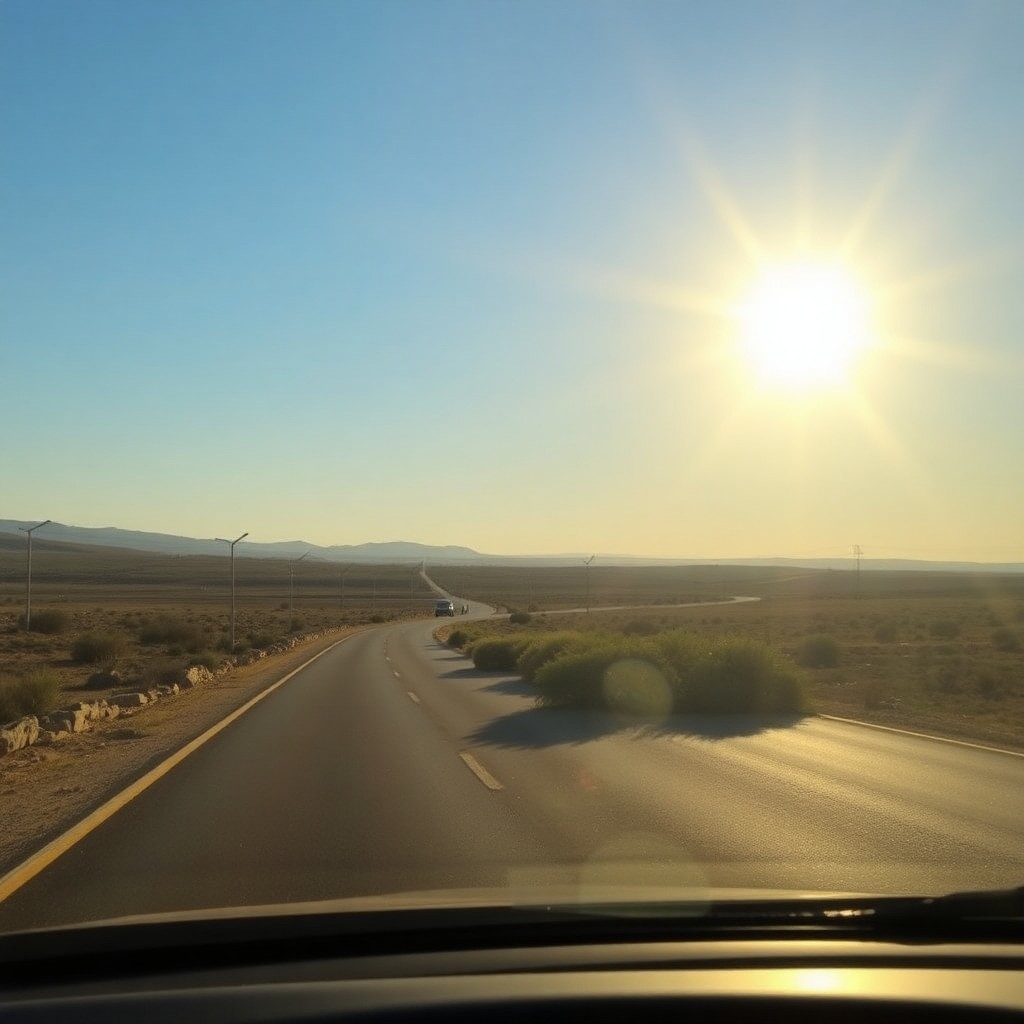
Build a realistic first journey
Larnaca to Ayia Napa and Protaras
Head east on the A3. Ayia Napa is the famous party destination, but it also has family beaches and the Thalassa Museum. Protaras, slightly further north, is quieter with excellent swimming at Fig Tree Bay. The drive is straightforward coastal highway — allow extra time for traffic on summer weekends.
Larnaca to Nicosia
Take the A1 north to the capital. Nicosia is Europe's last divided capital — the Green Line runs through the old town, and you can cross to the Turkish-controlled north at specific checkpoints. Parking in the centre is easier than in most Mediterranean capitals, and the pedestrianised old town rewards a morning of wandering.
Larnaca to the Troodos Mountains
The mountain range rises in the island's centre. From Larnaca, take the A1 toward Nicosia, then turn west on smaller roads toward Kakopetria and Mount Olympus. The drive climbs through pine forest and vineyard country. Kykkos Monastery is the most famous religious site, and Omodos village offers traditional crafts and local wine.
Frequently asked questions
Can I collect my rental car at Larnaca Airport at night?
Rental desks at LCA generally align with flight schedules, but hours vary by supplier. For late-night arrivals, check whether your chosen company offers after-hours collection or a key box service. Your voucher will specify the exact desk location and any out-of-hours procedures.
Is it easy to drive from Larnaca to Northern Cyprus?
You can cross the Green Line at several checkpoints, but rental agreements from the Republic of Cyprus may not cover the north. Check with your rental company before crossing — some require advance notice, additional insurance, or prohibit it entirely.
What is the best time of year to hire a car in Larnaca?
April to October is peak season — book ahead for the available rental options and availability. November to March is quieter and er, though some coastal attractions have reduced hours. Mountain roads may be affected by weather in winter.
Do I need a credit card to rent a car in Larnaca?
Yes — the main driver needs a credit card in their own name for the security deposit. Debit cards are generally not accepted for the deposit, though they may be used for payment. Check your voucher for the supplier's specific card requirements.
Compare Larnaca car hire
Enter dates above, then compare pickup method, vehicle category and complete supplier terms before booking.
Continue planning with All car hire locations, Paphos Airport car hire, Car Hire Ayia Napa, Car Hire Nicosia.