

Pick Up at Benito Juárez and Start Exploring
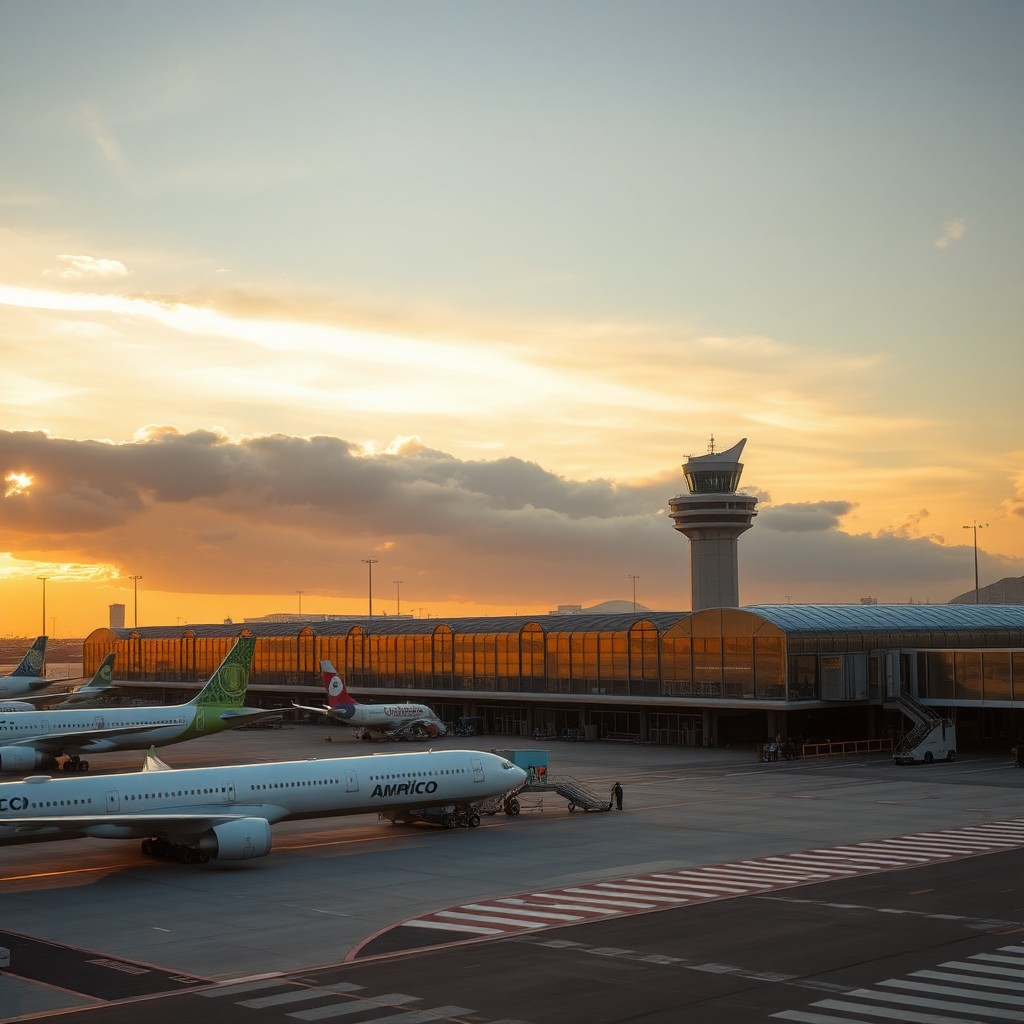
Mexico City Airport, officially Benito Juárez International (MEX), is the busiest gateway into one of the world's most vibrant capitals. With two passenger terminals handling millions of arrivals each year, it is a natural place to collect a rental car and head straight into the action. The airport sits relatively close to the city centre, so you can be navigating the historic streets or cruising toward the countryside within a short time of landing. For travellers who want the flexibility to explore the Valle de México and beyond on their own terms, picking up a vehicle here is a practical first step.
What makes car hire at Mexico City Airport worthwhile is the sheer range of options available once you leave the terminal. The capital is a launching pad for day trips to ancient ruins, colonial towns and mountain viewpoints that are difficult to reach by public transport alone. Having your own car means you are not tied to tour bus schedules or metro connections, and you can adjust your itinerary as you go. That said, Mexico City traffic is famously heavy, especially during rush hour, so it pays to plan your routes and allow extra time for congestion. If you are comfortable navigating busy urban roads, the freedom a rental provides is hard to beat.
MEX (Benito Juárez International)
Plan this first.
Terminal 1 and Terminal 2
Confirm before booking.
Capital access and regional road trips
Confirm before booking.
Arrivals who want immediate mobility
Confirm before booking.
Match collection to the actual itinerary
Include transfers, parking days, opening hours and return timing when comparing the two options.
Airport Pickup Advantage
Collecting your car at Mexico City Airport saves the extra leg of getting into the city by taxi or shuttle before you even start your trip. The rental desks are located within the terminal buildings, and the process is generally quick if you have pre-booked. Most providers offer a shuttle to nearby parking compounds where the vehicles are stored, so factor in a few extra minutes for that transfer. Once you are on the road, the airport's position means you can head north, south or west without crossing the entire city first.
Driving Beyond the Capital
A rental car from MEX opens up destinations that many visitors miss entirely. The ancient city of Teotihuacán, with its towering pyramids, is one of the most popular day trips and far easier to reach with your own transport. Further afield, the colonial towns of Puebla and Cholula offer a completely different pace from the capital. Even within the city limits, neighbourhoods like Coyoacán and Xochimilco are more enjoyable when you are not calculating return journey times on the metro. If your trip includes any time outside the central district, a car quickly pays for itself in convenience.
Plan the handover, price and first drive
Benito Juárez International Airport has been the main gateway to Mexico City for decades, and it has grown alongside the capital's expansion. Named after one of Mexico's most beloved presidents, the airport reflects the country's blend of modern infrastructure and deep historical pride. For travellers arriving from Europe, North America or beyond, it is often their first encounter with the scale and energy of Mexican urban life.
The airport sits on the eastern edge of the city, which historically made it a strategic point for trade and travel into the interior. Today, that same location makes it convenient for road trips in almost any direction. The surrounding area has developed rapidly, with hotels, restaurants and services catering to the constant flow of visitors.
Collecting a rental car here is a rite of passage for many independent travellers. It represents the moment you stop being a passenger and start setting your own course. Whether that course leads to ancient ruins, Pacific beaches or mountain villages is entirely up to you.
Check the conditions behind the price
The selected supplier’s terms and booking voucher control the rental. Review them before payment and again before collection.
Total payable price
Compare the full payable amount and inclusions rather than an unsupported daily-price promise.
Deposit and payment card
Confirm the deposit, accepted card type and whose name must appear on the card.
Excess and cover
Read the renter's liability, exclusions and what any optional protection actually changes.
Fuel policy
Know the collection level, return requirement and whether a refuelling charge can apply.
Mileage and territory
Check any distance limit and where the vehicle may be driven.
Extras and return
Price additional drivers, seats, after-hours service and one-way return before payment.
Choose for people, bags and roads
A category normally represents a group of similar cars, not a promise of one exact model.
- Compact: convenient for couples and tighter parking.
- Intermediate: more room for bags and longer journeys.
- Family or SUV category: useful only when the required capacity justifies it.
- Transmission: select automatic explicitly if manual is unsuitable.
Practical planning before departure
Documents You Will Need
Bring your full driving licence, passport and a credit card in the main driver's name. An International Driving Permit is recommended if your licence is not in English or Spanish, although some providers will accept a well-translated document. Check with your chosen supplier before you travel to avoid surprises at the desk.
Insurance Essentials
Mexican law requires third-party liability insurance, and this is usually offered at the counter if not included in your booking. Collision damage waivers and theft protection are also worth considering given the traffic conditions in the capital. Always read the terms carefully and photograph the vehicle before you leave the lot.
Traffic and Navigation Tips
Mexico City operates Hoy No Circula restrictions on certain days based on your licence plate number, so check whether this applies to rental vehicles. GPS and mobile data are essential, and apps like Waze are widely used by locals to dodge congestion. Avoid driving during peak hours if possible, and be prepared for aggressive lane changes and sudden stops.
Fuel and Tolls
Petrol stations are plentiful around the airport and on major routes, but it is worth filling up before returning the vehicle to avoid refuelling charges. Many highways out of the city are toll roads (cuotas), which are faster and better maintained than free alternatives. Carry some Mexican pesos in cash for toll booths that do not accept cards.
Local access, road and operating conditions can change. Check current signs, your supplier instructions and the linked source before travelling: Benito Juárez International Airport.
Build a realistic first journey
Mexico City to Teotihuacán
One of the most rewarding drives from the airport, this route takes you northeast toward the ancient pyramids of the Sun and Moon. The roads are generally good, and having a car allows you to arrive early before the tour buses descend. There is secure parking near the entrance, and the journey gives you a taste of the high plains surrounding the capital.
Mexico City to Puebla
Heading southeast, this drive crosses some beautiful mountain scenery before dropping into the colonial city of Puebla. Known for its colourful tiles and rich culinary tradition, Puebla is an excellent overnight or weekend trip. The toll highway is the quickest option, but back roads offer more authentic village stops if you have the time.
Airport to Centro Histórico
For those staying in the historic centre, the drive from MEX is straightforward but can be slow during peak periods. Follow the signs for the city centre and use a GPS to navigate the one-way streets. Many hotels in the area do not have dedicated parking, so confirm arrangements in advance or look for nearby public garages.
Frequently asked questions
Can I collect a car at Terminal 1 or Terminal 2?
Most major rental agencies have desks in both terminals, but it is essential to confirm your pickup location when you book. Terminal 2 handles many international arrivals, while Terminal 1 serves a mix of domestic and international flights.
Is it safe to drive in Mexico City?
Driving in the capital is manageable with preparation. Stick to main roads, avoid driving late at night in unfamiliar areas, and keep your doors locked. Traffic is the main challenge rather than safety on major routes.
Do I need an International Driving Permit?
It depends on your licence language and the supplier. Many agencies accept licences from major English-speaking countries, but an IDP is strongly recommended for licences in other languages and is legally required in some Mexican states.
What happens if my flight is delayed?
Most airport rental desks operate to coincide with scheduled flights, but if you arrive very late you may need to collect the car the next morning. Pre-paid bookings usually honour the delay if you notify the provider.
Compare Mexico City Airport car hire
Enter dates above, then compare pickup method, vehicle category and complete supplier terms before booking.
Continue planning with Car Hire Cross Border Xpress | San Diego Airport Rentals, Car Hire Cozumel Cruise Terminal | Rentals, Car Hire Bahia Principe Coba | Rentals, Car Hire Cancun Airport | Affordable Rentals.