

Car Hire in Orléans — Your Start Line for Château Country
Orléans sits where the Loire River bends north, less than an hour from Paris by train and perfectly placed for the château trail that draws visitors from across the world. A rental car here lets you follow the river through vineyard country, forest, and some of the most recognisable Renaissance architecture in Europe — all at a pace that suits you rather than a tour-bus schedule. The city itself carries weight in French history. Joan of Arc liberated Orléans in 1429, and the medieval quarter around the cathedral keeps that legacy alive. But most travellers who collect a car here are thinking about what lies downstream: Chambord, Chenonceau, Amboise, and dozens of smaller castles that punctuate the riverbank. Pickup locations are typically near the station or in the city centre. Confirm the exact address and opening hours on your voucher — not all suppliers keep weekend hours, and some use nearby parking structures rather than street-level offices.
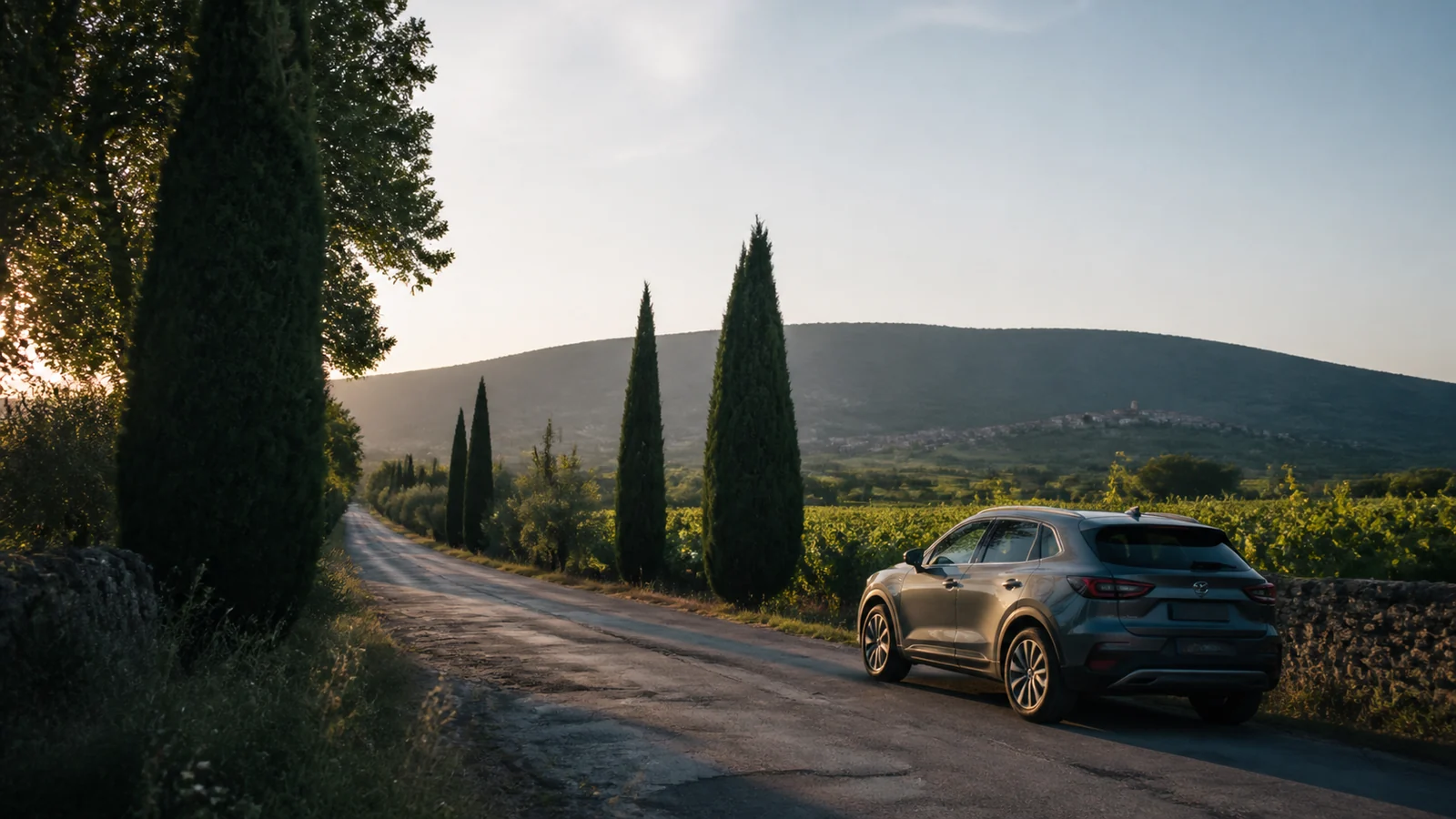
The Loire Valley rewards drivers. The D roads along the river pass through villages where wine is still made in family cellars, and the châteaux appear around bends with little warning. A car lets you visit early, before the coach parties arrive, and stay late for the evening light that makes Chenonceau's arches glow. Public transport connects the major towns, but the magic of the Loire is in the spaces between — the small châteaux, the farm shops, the riverside picnic spots. Orléans is also a practical base for other directions. Chartres and its cathedral are north on the A10. Bourges, with its remarkable Gothic church, lies to the south. And the Sologne forests, famous for hunting and quiet lakes, spread out to the east. A single base here can cover more ground than most visitors expect.
Following the Loire château route at your own pace, avoiding coach-party timings
Plan this first.
A10 north to Paris; A71 south to Bourges and beyond
Confirm before booking.
Château parking fills early in summer — arrive before 9am
Confirm before booking.
Sologne forests, lakes, and wildlife to the east of Orléans
Confirm before booking.
Match collection to the actual itinerary
Include transfers, parking days, opening hours and return timing when comparing the two options.
Station or City-Centre Pickup
Most Orléans collections are from the main station area or a nearby office in the city centre. Check your voucher for the exact address and any access instructions — some suppliers use multi-storey car parks that require a short walk. Weekend and evening hours are often limited, so plan your arrival accordingly.
Châteaux and Beyond
A car transforms the Loire Valley from a checklist into an experience. You can stop at a farm shop for goat cheese, pull over for a view of the river, and reach smaller châteaux that tour buses skip. The D roads are well-signed and scenic, though they slow you down — which is the point.
Plan the handover, price and first drive
Orléans is a city that remembers. The cathedral towers over the old town, rebuilt after wartime damage but faithful to its medieval form. The stained glass tells the story of Joan of Arc — not as myth, but as local history. On the streets, her name appears on restaurants, streets, and the annual festival that brings the medieval quarter to life each spring.
But most visitors who rent a car here are looking forward, not back. The road south follows the Loire through a landscape that feels deliberately preserved — vineyards, villages with stone churches, and châteaux that rise from the riverbank like stage sets. Chambord is the grandest, Chenonceau the most graceful, and Amboise the most intimate. Each rewards a different kind of visit: the early-morning empty palace, the gardens at golden hour, the cellar tour with a glass of local wine in hand.
The region between them is equally rich. The Sologne, east of the river, is a land of forests and lakes where the pace slows and the villages shrink. Chartres, to the north, offers a cathedral that rivals anything in Paris. And Bourges, further south, has a Gothic church that architecture enthusiasts rank among the finest in France. A single base in Orléans can reach all of them — not in a rushed blur, but in the unhurried way that makes French road travel worthwhile.
Check the conditions behind the price
The selected supplier’s terms and booking voucher control the rental. Review them before payment and again before collection.
Total payable price
Compare the full payable amount and inclusions rather than an unsupported daily-price promise.
Deposit and payment card
Confirm the deposit, accepted card type and whose name must appear on the card.
Excess and cover
Read the renter's liability, exclusions and what any optional protection actually changes.
Fuel policy
Know the collection level, return requirement and whether a refuelling charge can apply.
Mileage and territory
Check any distance limit and where the vehicle may be driven.
Extras and return
Price additional drivers, seats, after-hours service and one-way return before payment.
Choose for people, bags and roads
A category normally represents a group of similar cars, not a promise of one exact model.
- Compact: convenient for couples and tighter parking.
- Intermediate: more room for bags and longer journeys.
- Family or SUV category: useful only when the required capacity justifies it.
- Transmission: select automatic explicitly if manual is unsuitable.
Practical planning before departure
Parking in Orléans
The old town around the cathedral and Place du Martroi has metered street parking and several underground garages. Spaces tighten on weekends and during the Joan of Arc festival in early May. If you are collecting a car and heading straight to the châteaux, use a peripheral car park and avoid the narrow medieval streets.
Motorway driving
The A10 is the main artery, running north to Paris and south towards Tours and Bordeaux. Tolls apply on some sections — the A10 between Paris and Orléans carries a charge. The D roads are free but slower, and they offer the better views. Balance time and scenery according to your itinerary.
Fuel and tolls
Fuel stations cluster around the ring road and motorway junctions. Prices vary, so compare rather than refilling at the first pump. Toll booths accept cards and cash; some lanes are automatic-only, so check the signage before you commit.
Local access, road and operating conditions can change. Check current signs, your supplier instructions and the linked source before travelling: France official tourism information.
Build a realistic first journey
Orléans to Château de Chambord
Southeast through the forest of Chambord to the largest and most dramatic of the Loire châteaux. The double-helix staircase and vast grounds demand a half-day at minimum. Arrive early — the car parks fill by late morning in summer, and the interior queues grow quickly.
Orléans to Château de Chenonceau
Southwest along the river to the château that spans the Cher. Known as the Ladies' Château, it is the most photographed in the valley for good reason. Combine with Amboise, where Leonardo da Vinci spent his final years, for a full day of Renaissance architecture.
Orléans to Chartres
North on the A10 for one of France's finest Gothic cathedrals. The stained glass is remarkable, and the old town on the hill rewards a slow walk. This is an easy half-day from Orléans, leaving time for an afternoon in the city or a detour through the Beauce countryside.
Frequently asked questions
Do I need a car to visit the Loire châteaux?
Not strictly — tours and trains connect the major sites — but a car gives you flexibility. You can arrive before the crowds, stay for the evening light, and reach smaller châteaux that public transport does not serve.
What is the best time to visit the châteaux?
Spring and early autumn offer mild weather and fewer visitors. In July and August, arrive at opening time and book tickets in advance. Winter has its own charm — some châteaux are quieter and offer reduced rates.
How do tolls work on French motorways?
Most major routes use automatic toll booths. Take a ticket on entry and pay on exit with card or cash. Some lanes are reserved for electronic tags — avoid these unless your rental vehicle is equipped.
Can I drop the car off in another city?
Often yes, but one-way fees may apply. Common drop points from Orléans include Tours, Blois, and Paris. Check with your supplier when booking — not all routes are supported, and fees vary significantly.
Compare Orleans car hire
Enter dates above, then compare pickup method, vehicle category and complete supplier terms before booking.
Continue planning with Explore all France car hire locations, Paris Orly car hire, Lyon airport car hire, Full 365 Car Hire location list.