
Istria Road Trip: The Best of Croatia’s Peninsula by Car
Istria by Rental Car – Truffles, Roman Ruins and Croatia’s Most Underrated Peninsula
Croatia is famous for Dalmatia — the long coastline from Zadar down to Dubrovnik. But here’s a secret: the best of Croatia might actually be in the north, in a region that feels more Italian than Slavic, where the food is better, the crowds are thinner, and the wine is exceptional.
Welcome to Istria.
This peninsula juts into the Adriatic like a thumb, and it feels like a different country from the rest of Croatia. The architecture is Venetian, the food has Italian influence, and there’s a laid-back Mediterranean vibe that the busy Dalmatian coast simply doesn’t have.
Here’s how to explore it properly.
Pula – Roman Grandeur
Start in Pula, the largest city in Istria and home to one of the best-preserved Roman amphitheatres in the world. The Pula Arena dates from the 1st century AD, built in the same era as the Colosseum in Rome — and it’s in far better condition. You can still attend concerts and events here in summer, with the arena floodlit at night.
Beyond the arena, there’s the Arch of the Sergii (a Triumphal Arch from 29 BC), the old Roman forum, and a network of atmospheric streets in the old town. Pula also has an underrated food scene — the istrian truffle, olive oil, and seafood are all exceptional.
Rovinj – The Most Beautiful Town
I’m going to make a bold claim: Rovinj is the most beautiful town in Croatia. And I’m not alone — this tiny fishing town on the western coast has been charming visitors for centuries.
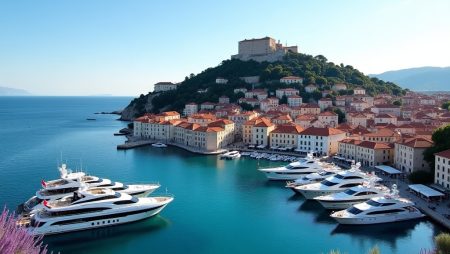
The old town is a warren of cobbled streets climbing up to the Church of St Euphemia, which sits atop the highest point and offers views across the archipelago. The harbour is filled with fishing boats, the cafes are perfect for people-watching, and the sunset from the waterfront is genuinely spectacular.
Stay here for a night if you can. The evening atmosphere is magical.
Poreč – History and Beaches
Further up the coast lies Poreč, a popular resort town with a difference. The Euphrasian Basilica is a UNESCO World Heritage Site — a 6th-century church with incredible mosaics and golden artwork that’s remained remarkably intact.
Beyond the historic centre, Poreč has a long waterfront promenade, beaches, and a family-friendly atmosphere. It’s a good base for exploring northern Istria.
Motovun – The Truffle Capital
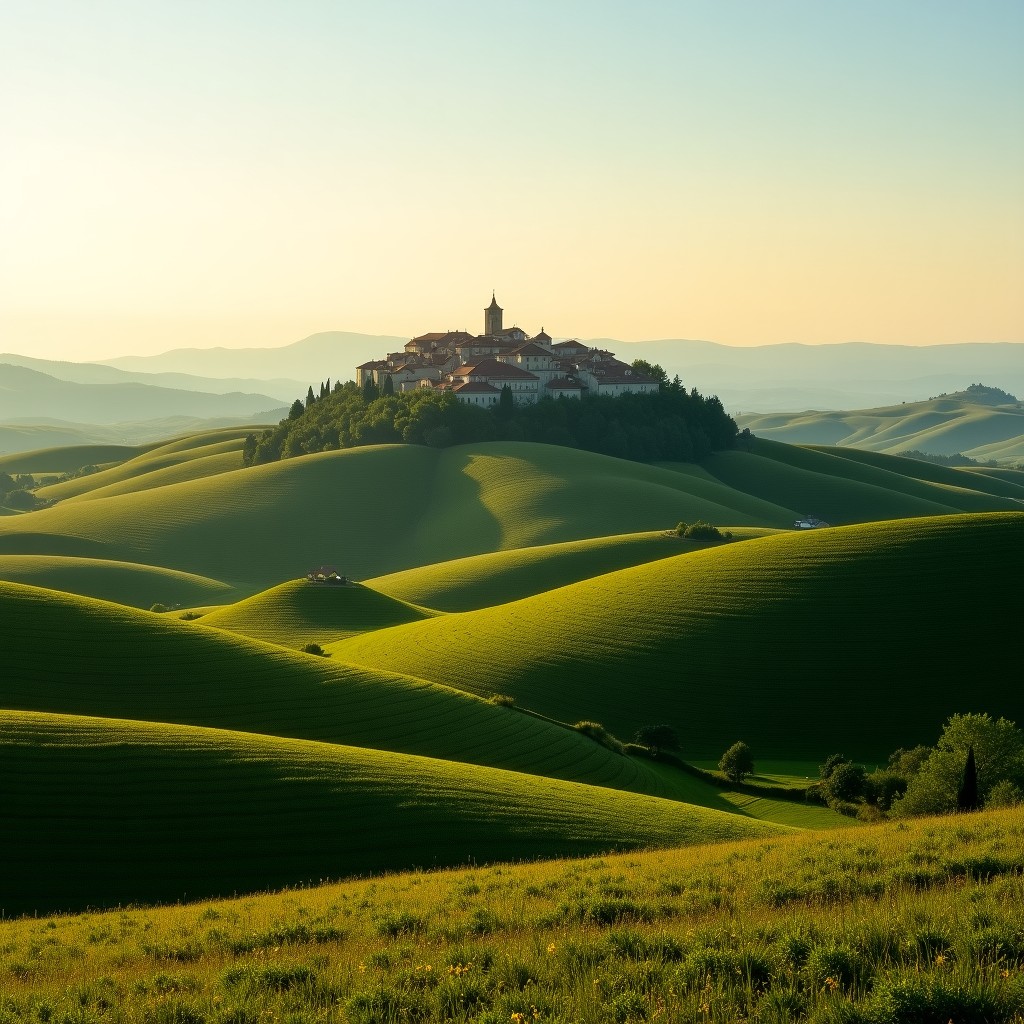
Inland from the coast, Istria transforms. The landscape becomes rolling hills, dotted with medieval hilltop villages and vineyards. And in the autumn, this region produces some of the finest black truffles in the world.
Motovun is the most famous of these hilltop villages — a medieval fortress town with stunning views across the valley. In September, during truffle season, the town comes alive with truffle festivals, truffle hunting tours, and menus featuring the prized fungi in everything from pasta to ice cream.
Book a truffle hunting experience — you’ll head into the forest with a truffle hunter and their dog, dig up black truffles, then enjoy a meal cooked with your findings. It’s one of the great food experiences in Europe.
Nearby Grožnjan is an artists’ village — tiny, charming, and full of galleries and workshops.
Cape Kamenjak – The Wild South
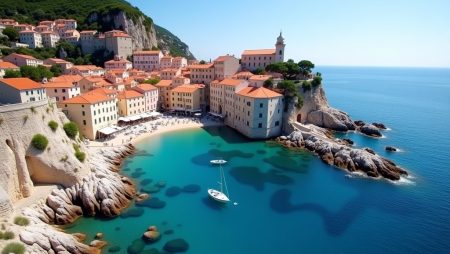
At the southern tip of the Istrian peninsula, near Pula, lies Cape Kamenjak. This wild, undeveloped stretch of coastline is one of Istria’s best-kept secrets.
Secluded beaches (many are nudist-friendly), crystal-clear water, dramatic cliffs, and hardly anyone around. It’s the opposite of the resort towns on the coast — raw, natural, and completely unspoiled. Bring a picnic, find a beach, and spend the day.
Inland Istria – Wine Country
Don’t ignore the interior. The rolling hills of inland Istria are covered in vineyards producing some of Croatia’s best wines. Istrian Malvazija is the signature white — crisp, mineral, with a slight almond note. The reds (Merlot, Cabernet Sauvignon, and indigenous varieties) are excellent too.
Visit a vineyard — many offer tastings and tours. It’s a completely different side of Croatia to the coastal tourist crowds.
Drive Times
One of Istria’s great advantages is how manageable it is:
- Pula to Rovinj: 35 minutes
- Rovinj to Poreč: 30 minutes
- Poreč to Motovun: 45 minutes
- Pula to Cape Kamenjak: 20 minutes
You can easily see all the highlights in 3-4 days, with relaxed driving between each destination.
Practical Information
- Best time: May-June or September-October for the best weather and fewer crowds. July-August can be busy, especially in Rovinj.
- Roads: Excellent. The main coastal road (E751) runs the length of the peninsula, and the interior roads are well-maintained.
- Parking: Can be tricky in Rovinj in summer. Use the large car park on the edge of town and walk in.
- Food: Don’t miss truffle pasta, istrian prosciutto, fresh seafood, and the olive oil. Everything is local and excellent.
Book through Pula car hire, Rovinj car hire, or Poreč car hire to explore this beautiful region.
Frequently Asked Questions
How many days do I need for Istria?
A minimum of 3-4 days is ideal to cover the main highlights (Pula, Rovinj, Poreč, Motovun, Kamenjak). Five days would let you explore more slowly and enjoy the wine region and beaches properly.
When is truffle season in Istria?
Truffle season runs from September through November, with the peak in September and October. This is when the Istrian truffle festivals take place and when hunting experiences are most readily available. Some truffle products are available year-round, but the fresh truffles are only found in autumn.
Is Istria more expensive than Dalmatia?
Istria tends to be slightly more expensive than Dalmatia in peak season, particularly in the popular coastal towns. However, in shoulder season, prices are comparable. The food quality is generally higher, so dining out can be a better experience, though often at similar prices to coastal Croatia.
Can I visit Istria from Venice?
Yes! Istria is very accessible from Venice — it’s about a 3-hour drive (or you can take a ferry from Venice to Pula). Many visitors combine Venice with a few days in Istria, which makes for an excellent Italian-Croatian trip.