
Driving in Albania: Road Conditions, Rules and Local Tips for 2026
What to Expect When Driving in Albania
Albania is one of Europe’s most rewarding driving destinations, but it is not the place to wing it. Road conditions range from smooth new motorways to narrow mountain tracks shared with goats, sheep and the occasional tractor. The good news? Traffic is light outside Tirana, fuel is cheap by European standards, and the mountain and coastal views are worth the effort. The trick is knowing what you are getting into before you turn the key.
Road Conditions: From Motorways to Mountain Tracks
The main north-south corridor, the A1 motorway between Tirana and the Kosovo border, is modern, well-maintained and a genuine pleasure to drive. The same goes for the newer sections of the A2 running south toward Fier and Vlora. Once you leave these arteries, things change quickly.
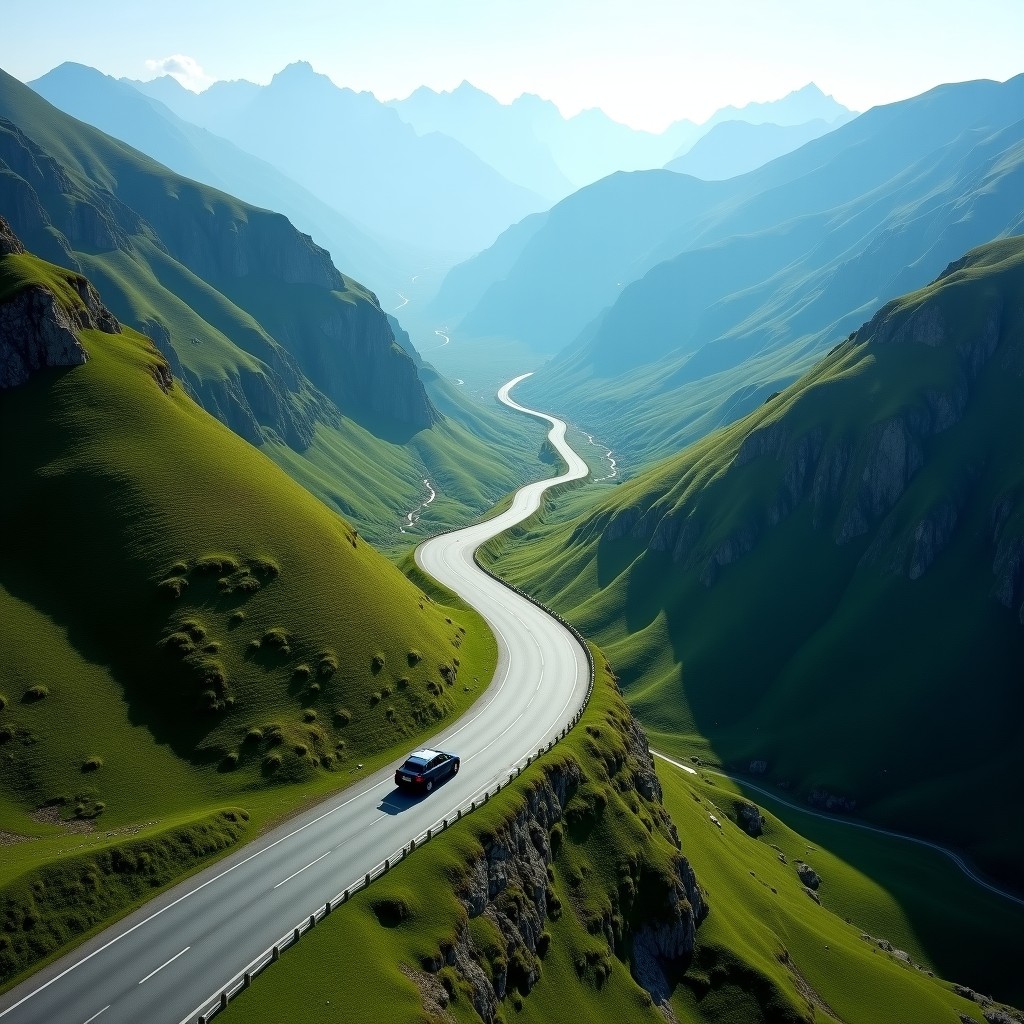
Secondary roads in rural areas are often narrow, poorly marked and prone to potholes after rain. Mountain routes such as the road from Shkodra to Theth in the Albanian Alps have sheer drops and tight bends, and remain unpaved for long stretches. A standard economy car handles most of the country fine, but if you are planning to explore the northern mountains or remote beaches in the south, an SUV or a vehicle with higher clearance makes sense.
One local quirk you will notice fast: Albanian drivers are confident, sometimes to the point of creative. Overtaking on blind corners is not rare, and signalling is optional in rural areas. Stay alert, give way to larger vehicles on mountain roads, and do not expect pedestrians or livestock to check before crossing.
Key Driving Rules and Regulations
Albania drives on the right-hand side of the road, same as most of continental Europe. Speed limits are straightforward: 40 km/h in built-up areas, 80 km/h on open roads, and 110 km/h on motorways. Police do enforce limits, especially around Tirana and on the A1, and speeding fines are payable on the spot.
Seat belts are mandatory for all passengers, and mobile phone use while driving is prohibited unless you have a hands-free setup. The legal blood alcohol limit is 0.01%, which for practical purposes means zero tolerance. Do not drink and drive.
Headlights must be on at all times, even during the day. This is a legal requirement and rental cars in Albania usually come with daytime running lights configured automatically. If yours does not, switch them on manually.
You will need your original driving licence, the rental agreement and the vehicle’s registration documents with you at all times. An International Driving Permit is recommended if your licence is not in the Roman alphabet, though most rental desks and police will accept a standard EU or UK licence.
Tolls and Fuel
The A1 motorway has tolls, payable in cash or card at the toll booths. Rates are low by European standards, typically a couple of euros for a car. Keep some small notes handy because not every booth accepts cards reliably.
Fuel is significantly cheaper than in Western Europe. As of 2026, petrol averages around €1.40-1.50 per litre and diesel slightly less. Most stations accept card payments, but rural stations sometimes prefer cash. Fill up before heading into remote areas such as the Albanian Alps or the Llogara Pass, where stations are scarce.
Crossing Borders from Albania
Albania shares borders with Montenegro, Kosovo, North Macedonia and Greece. Most rental agreements allow cross-border travel to these countries, but you must inform the rental desk when you pick up the car. They will issue a Green Card, the international insurance certificate, which is mandatory at every border crossing. Without it, you will be turned back or fined.
The Montenegro border at Hani i Hotit (near Shkodra) is the busiest and usually the fastest. The Greek border at Kakavia, near Gjirokaster, is quieter but can slow down in summer when tourist traffic peaks. The Kosovo and North Macedonia crossings are straightforward, though expect occasional delays if Albanian holiday traffic coincides with your crossing.
One important note: if you plan to take a rental car into Serbia, confirm this explicitly with your supplier. Some Albanian rental companies exclude Serbia from their cross-border permits due to insurance complications. Do not assume. If you are planning a wider Balkan trip, read our guide to car hire in Eastern Europe for regional tips.
Parking in Albanian Cities
Parking in Tirana has improved significantly in recent years, but it is still chaotic by Northern European standards. The city centre has paid parking zones marked with blue lines, enforced by municipal attendants. Rates are low, around 30-50 lek per hour (roughly €0.30-0.50), but spaces fill fast during business hours.
Outside Tirana, parking is generally free and plentiful. In coastal towns such as Saranda, Vlora and Durres, beachfront parking is unrestricted outside the peak summer months. In July and August, expect competition for spots near the main promenades. Arrive early or park a few streets back and walk.
Seasonal Driving Tips
Spring (April-May) and autumn (September-October) are the sweet spots for driving in Albania. The weather is mild, mountain roads are clear of snow, and the coastal routes are not jammed with summer traffic.
Summer (June-August) brings heavy traffic on the coastal road between Vlora and Saranda, and parking headaches in beach towns. The Llogara Pass, a mountain road connecting the coast to the interior at over 1,000 metres, has tight switchbacks and can get congested on weekends.
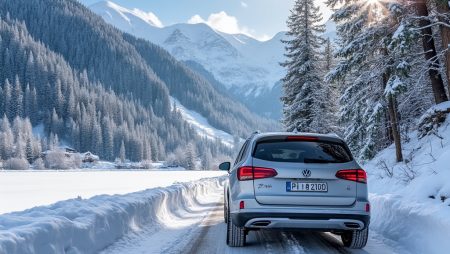
Winter (November-March) is manageable in the lowlands and coastal areas, but mountain roads in the north can become impassable due to snow and ice. If you are visiting in winter, stick to the main highways and avoid routes above 800 metres unless you have winter tyres and experience driving on ice.
Navigation and Communication
Google Maps works well in Albania for major routes, but it is not infallible in rural areas. Some mountain roads that look like shortcuts on the map are actually unpaved tracks suitable only for 4×4 vehicles. When in doubt, ask locals. Albanians are famously hospitable and will happily point you in the right direction, often with detailed hand gestures and a cup of coffee.
Mobile coverage is good on main roads but patchy in remote valleys. Download offline maps before you set off if you are venturing off the beaten track. If you are heading south, our Tirana to Saranda road trip guide covers the full route. Wi-Fi is available in most cafes and restaurants in towns, so you can update your route over a espresso break.
Renting a Car in Albania: What You Need
The minimum age to rent a car in Albania is usually 21, with a full year of driving experience. Some premium or larger vehicles require drivers to be 25 or older. You will need a credit card in the main driver’s name for the security deposit, which is typically held as a pre-authorisation rather than an actual charge.
Insurance usually includes basic Collision Damage Waiver (CDW), but the excess can be high, sometimes €500-1,000. Consider reducing the excess or taking additional cover if you are not comfortable with that level of risk, especially on mountain roads.
One-way rentals within Albania are generally available, for example picking up in Tirana and dropping off in Saranda. One-way fees are modest. Cross-border one-way rentals are trickier and usually need to be arranged in advance.
Related Destinations
Looking for more car hire options in the region? Also explore car hire across Albania, Tirana car rental, Saranda car hire, Durres car hire, and Vlora car hire. For a cultural detour, also see Berat car hire.
Frequently Asked Questions
Is it safe to drive in Albania?
Yes, for attentive drivers. Roads are generally safe, though driving style is more assertive than in Northern Europe. Stick to main routes if you are nervous, and avoid night driving on rural roads where lighting is poor or non-existent.
Do I need an International Driving Permit for Albania?
Not if you hold an EU, UK, US, Canadian or Australian licence. If your licence uses a non-Roman alphabet, an International Driving Permit is strongly recommended and sometimes required by rental companies.
Can I drive a rental car from Albania to Greece?
Yes, with advance notice to the rental desk. You will need a Green Card for insurance. The Kakavia border is the main crossing, and the drive from Gjirokaster to Ioannina in Greece passes through the Pindus mountain range with views across the Vjosa valley.
What side of the road do they drive on in Albania?
The right-hand side, same as most of Europe. Overtaking is on the left. Roundabouts follow the continental pattern, giving way to traffic already on the roundabout.
Are there speed cameras in Albania?
Yes, particularly on the A1 motorway and around Tirana. Speeding fines are enforced, and police sometimes use mobile speed traps on main roads. Stick to the limits.
Ready to book? Visit our homepage for the best hire car deals.