

Rent a Car at La Paz Airport, Bolivia: Adventure Driving …
Rent a Car at La Paz Airport, Bolivia: Adventure Driving at Altitude
Touching down at El Alto International Airport feels like arriving on another planet. At 4,061 metres above sea level, you’re landing at one of the highest commercial airports in the world, and the air is thin enough to make your head spin. But here’s the thing—once you catch your breath, you’ll realise you’ve just arrived at the gateway to some of South America’s most spectacular adventures. When you rent a car La Paz airport Bolivia becomes your launching pad for journeys that most travellers only dream about.
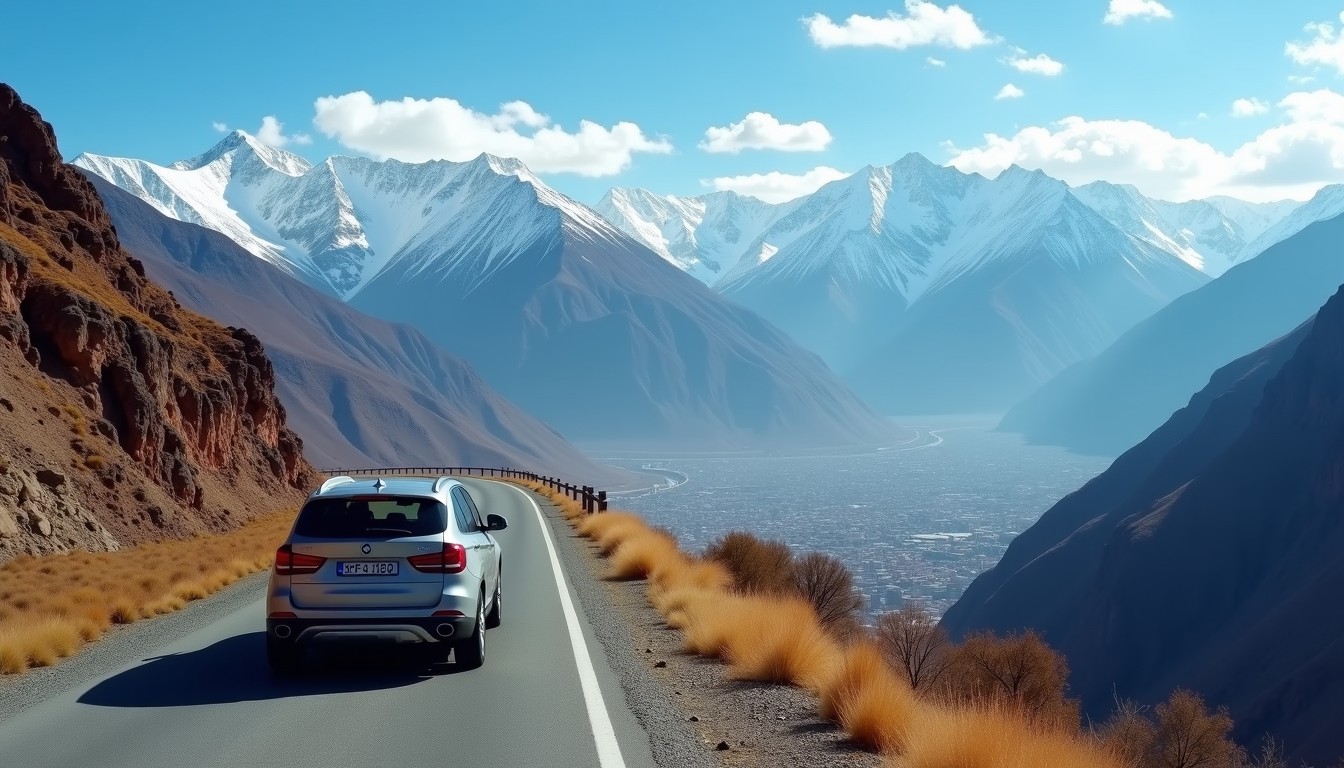
La Paz isn’t just the highest capital city on Earth; it’s a sprawling, chaotic, utterly magnificent introduction to Bolivia. The city tumbles down a massive canyon, with the snow-capped Mount Illimani watching over everything like a patient guardian. Having your own wheels here isn’t just convenient—it’s transformational. You can escape the tourist trail, chase horizons across the altiplano, and discover places that bus routes simply don’t reach.
This isn’t your standard car hire situation, though. Driving in Bolivia demands respect, preparation, and a healthy sense of adventure. But for those willing to embrace the challenge, the rewards are absolutely extraordinary.
Picking Up Your Car at El Alto Airport
El Alto International Airport sits on the altiplano above La Paz proper, which means you’ll need to descend into the city after landing. This arrangement actually works brilliantly for picking up a rental car—you can collect your vehicle at the airport and avoid the chaotic city centre traffic until you’ve found your bearings.
The airport itself is relatively small and straightforward. After clearing customs and immigration, you’ll find car rental desks in the arrivals area. We recommend booking through 365carhire.com before you arrive, as walk-up availability can be limited during peak season (June to September). Plus, booking ahead guarantees you the vehicle type you actually want.
One crucial tip: take photos of every scratch, dent, and mark on the vehicle before driving away. Bolivian rental companies can be meticulous about damage assessment, and you’ll want proof of the car’s condition when you picked it up. It takes five minutes and saves enormous headaches later.
The drive from El Alto down into La Paz is spectacular but requires immediate attention. The road descends rapidly through a series of switchbacks, and your brakes will get a workout on the way down. Take it slow—the views across the city are stunning, and there’s no rush.
When you book Bolivia car rental through a reputable platform, you’ll have confirmation of exactly what’s included. Make sure you understand the fuel policy and check whether there are mileage limits for longer journeys. For trips to places like Salar de Uyuni, unlimited mileage becomes rather important.
Driving at Altitude: What You Need to Know First
Let’s talk about the elephant in the room: altitude. La Paz sits at approximately 3,650 metres above sea level, and El Alto is even higher at over 4,000 metres. This fundamentally changes how both you and your car behave.
Your body will feel it first. Shortness of breath, light-headedness, and fatigue are common symptoms of altitude sickness (soroche). Drink water constantly, avoid heavy meals and alcohol for your first 24 hours, and consider bringing coca leaves or altitude medication. Most pharmacies in La Paz sell soroche pills over the counter, and they genuinely help. Don’t underestimate how altitude affects your concentration—perfectly fine for wandering the city, but potentially dangerous behind the wheel.
Give yourself at least a full day to acclimatise before attempting serious driving. Spend your first day exploring La Paz on foot, riding the cable cars (the Teleférico is an attraction in itself), and letting your body adjust to the thin air.
Your rental car will also struggle with altitude. Internal combustion engines lose roughly 25–30% of their power at this elevation because there’s simply less oxygen for combustion. What feels like a zippy little car at sea level becomes sluggish and unresponsive on the altiplano. This affects overtaking decisions dramatically—allow much more space than you normally would.
The altitude also affects boiling points. Your radiator coolant behaves differently, and overheating is a genuine concern on steep climbs. Keep an eye on your temperature gauge, especially on long ascents. If the needle starts climbing, pull over and let the engine cool. It’s not a sign of a bad car; it’s physics at altitude.
The Best Road Trips from La Paz
Lake Titicaca and Copacabana make for a relatively gentle first road trip. The lake is the highest navigable body of water in the world, and the drive takes about three to four hours from La Paz. The route crosses into Peru briefly (have your passport ready) before arriving at Copacabana. From there, you can catch boats to Isla del Sol and Isla de la Luna, sacred sites in Incan cosmology.
Tiwanaku is much closer—only about 70 kilometres from La Paz—and makes for an easy half-day trip. These pre-Columbian ruins predate the Inca empire by centuries and represent one of the most important archaeological sites in South America. The roads are decent, and you can combine this with a visit to the village of Tiwanaku itself.
For the truly adventurous, the drive towards Salar de Uyuni begins from La Paz. This is not a casual day trip—the world’s largest salt flat is roughly 560 kilometres south, and you’ll want several days for this journey. The route passes through breathtaking altiplano landscapes, volcanic peaks, and high-altitude lagoons filled with flamingos. A 4WD vehicle is essential for this trip, not optional.
Heading east, you can descend from the altiplano into the Amazon lowlands. This journey takes you from high-altitude plains through cloud forest and eventually into tropical jungle. The transition is extraordinary—you’ll pass through every climate zone imaginable in a single day’s drive. The road (Ruta 3) is paved for much of the way to Caranavi and onwards to Rurrenabaque, the jumping-off point for Amazon tours.
And then there’s Death Road—the infamous North Yungas Road. Even approaching it by car to watch the cyclists descend is an experience. The scenery along this corridor is spectacular, with the road carved into cliff faces and waterfalls cascading onto the tarmac. (Note: most rental companies prohibit driving the road itself—see FAQ below.)
Road Conditions and Driving Tips for Bolivia
Let’s be honest: Bolivian roads are an adventure in themselves. The country has invested heavily in infrastructure over the past decade, and major highways are now generally good quality. But venture off the main routes, and you’ll quickly understand why a robust vehicle and cautious driving are essential.
In cities like La Paz and El Alto, traffic is chaotic but follows its own internal logic. Lane markings are treated as suggestions rather than rules, and minibuses stop unpredictably to pick up passengers. Horns are used constantly—not aggressively, but communicatively. A quick beep means “I’m here” or “I’m passing.”
Police checkpoints are common, especially on routes leaving major cities. Keep your rental documents, passport, and driving licence accessible. International Driving Permits are officially required for foreign drivers, though enforcement varies. Better to have one than to argue with a police officer at a remote checkpoint.
Driving at night is strongly discouraged outside cities. Roads often lack markings and lighting, and you never know what might be on the road—stray animals, broken-down trucks, or pedestrians walking along the verge. Plan your journeys for daylight hours only.
Weather can change rapidly, particularly during the rainy season (November to March). What starts as a perfectly clear morning can become a torrential downpour by afternoon, reducing visibility to near zero and turning dirt roads into mud pits. The dry season (May to October) offers more predictable conditions.
Fuel stations are plentiful in and around La Paz and along major highways, but become sparse in rural areas. Fill up whenever you see a station if you’re heading into remote regions.
What to Budget for Car Hire in La Paz
Let’s talk money. When you rent a car La Paz airport Bolivia prices are competitive, especially when booked through comparison sites like 365carhire.com.
A budget-friendly compact car suitable for city driving and day trips to Tiwanaku or Lake Titicaca typically costs between $40–60 USD per day. For longer journeys or rougher terrain, a SUV or 4WD will set you back $80–120 USD per day, but provides essential capability for routes like the approach to Salar de Uyuni.
Insurance is non-negotiable in Bolivia. Basic coverage is usually included in quoted prices, but consider upgrading to comprehensive coverage. When you book through 365carhire.com, all prices include no hidden fees—you’ll see the total cost upfront, including mandatory insurance and taxes.
Fuel is reasonably priced in Bolivia compared to neighbouring countries. Petrol (gasolina especial) is subsidised and costs significantly less than in Chile or Peru. Budget roughly $1 USD per litre, though this fluctuates.
Free cancellation is available on most bookings when you reserve through 365carhire.com, which provides flexibility if your travel plans change. Bolivia adventures often require itinerary adjustments—weather, altitude, or simply falling in love with a place can all prompt changes.
Frequently Asked Questions
Is it safe to drive yourself in Bolivia?
Yes, self-driving in Bolivia is safe for experienced drivers who take proper precautions. The main risks come from challenging road conditions rather than crime. Drive only during daylight hours, stay on recognised routes, and avoid rural areas at night. The biggest danger is actually the altitude—ensure you’re acclimatised before attempting serious driving. Bolivian drivers are unpredictable but not aggressive, and with defensive driving techniques, you’ll navigate traffic confidently.
Do I need a 4WD in Bolivia?
It depends entirely on where you plan to go. For La Paz city driving, Lake Titicaca, and Tiwanaku, a standard 2WD vehicle is perfectly adequate. However, if you’re planning to visit Salar de Uyuni, explore remote altiplano regions, or venture into the Amazon basin, a 4WD becomes essential. When in doubt, opt for the 4WD—the extra cost is worth the peace of mind.
What documents do I need to hire a car in Bolivia?
You’ll need a valid driving licence from your home country, and an International Driving Permit is officially required (bring both to be safe). Your passport is essential—you’ll need it for the rental agreement and for police checkpoints. A credit card in the main driver’s name is required for the security deposit. Finally, ensure you have your rental confirmation and insurance documents accessible at all times.
Can I drive the Death Road in a rental car?
Technically possible, but strongly discouraged and often prohibited by rental companies. The North Yungas Road (Death Road) is extremely narrow, has sheer drops of hundreds of metres, and conditions change constantly with weather and traffic. Most rental agreements specifically exclude this route from coverage, meaning any damage or accident would be entirely your financial responsibility. If you want to experience Death Road, join a cycling tour instead—the operators have excellent safety records and provide all equipment.
What is the best time of year to do a self-drive in Bolivia?
The dry season from May to October offers the best driving conditions. Days are typically sunny and clear, roads are in their best condition, and visibility for those mountain vistas is excellent. June and July are peak season, so book your vehicle well in advance. The rainy season (November to March) brings challenges—mountain roads can become dangerous and flash floods occasionally close routes. If you’re an experienced driver with a capable 4WD, rainy season driving offers unique rewards including Salar de Uyuni as a giant mirror, but requires extra preparation and flexibility.
Ready to experience Bolivia on your own terms? Book your car hire La Paz Bolivia adventure through 365carhire.com and discover why this country rewards independent travellers willing to venture beyond the tourist trail. With great value options, no hidden fees, and free cancellation on most bookings, you can plan your altitude adventure with confidence.