

Rent a Car in Cluj-Napoca and Explore Northern Transylvania
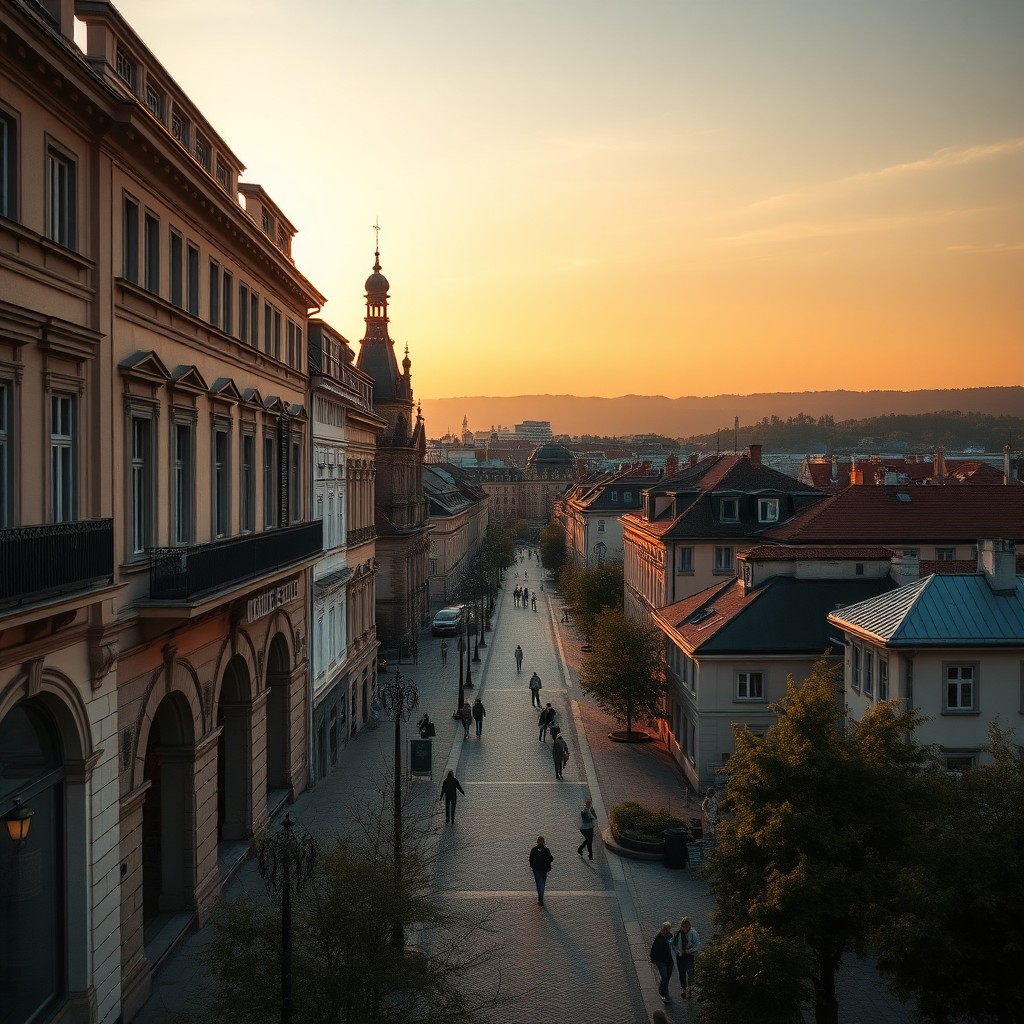
Cluj-Napoca is Romania's second-largest city and one of its most dynamic. A major university centre with a growing tech sector, it has an energy that sets it apart from the country's more traditional destinations. The baroque architecture of Union Square, the Hungarian minority influence in cuisine and culture, and a genuine cafe scene make Cluj-Napoca a city worth spending time in. But for most visitors with a hire car, Cluj-Napoca is a gateway. The city sits at the junction of several distinct Romanian regions: the Transylvanian plateau to the east and south, the Apuseni Mountains to the west, and the Maramureș region to the north. Each offers a different landscape and a different pace of travel. 365 Car Hire compares options in Cluj-Napoca from international brands and local operators, with pickup available at the airport and in the city centre.
The city's compact centre is walkable, but the real advantage of having a car is the ability to reach the surrounding countryside. The Apuseni Mountains, west of Cluj-Napoca, are less visited than the Southern Carpathians but offer karst landscapes, cave systems, and traditional villages that see far fewer tour buses than Brașov or Sibiu. To the north, Maramureș is one of Romania's most culturally distinct regions, famous for wooden churches, hand-woven textiles, and agricultural practices that have changed little in generations. The drive from Cluj-Napoca to the Maramureș heartland is a full day in itself, but the journey is part of the experience.
~300,000 (city proper)
Plan this first.
Apuseni Mountains, Maramureș, Transylvania
Confirm before booking.
~timing that varies with traffic and conditions east of city centre
Confirm before booking.
Driving licence, passport, credit card
Confirm before booking.
Match collection to the actual itinerary
Include transfers, parking days, opening hours and return timing when comparing the two options.
Cluj-Napoca Airport Pickup
Cluj-Napoca International Airport is a compact facility east of the city. Rental desks are clustered in the arrivals hall. The drive into the city centre follows the DN1F route and is generally straightforward. Have your voucher, driving licence, and credit card ready, and confirm whether your supplier requires a printed voucher.
City Centre Collection
If you are already in Cluj-Napoca, several operators have offices near the city centre or railway station. Some offer hotel delivery. This avoids an airport transfer but confirm exact address and opening hours, as city offices may have more limited schedules than the airport desk.
Plan the handover, price and first drive
Cluj-Napoca has always been a city between worlds. Its Hungarian name — Kolozsvár — reflects centuries of shared administration with the Kingdom of Hungary. The Unitarian church on Union Square, the Hungarian State Theatre, and the local specialty of 'töltött káposzta' (stuffed cabbage) all testify to a bilingual, bicultural identity that survived Romania's 20th-century nation-building projects.
The city's modern reinvention is equally interesting. The tech sector, anchored by companies like Emerson and smaller startups, has drawn young Romanians from across the country. The result is a population that is younger, more cosmopolitan, and more outward-looking than many Romanian cities of comparable size. The cafe and festival scene — particularly the Untold music festival each August — reflects this energy.
For drivers, Cluj-Napoca offers something that Brașov and Bucharest do not: direct access to quieter, less documented Romania. The Apuseni Mountains are barely mentioned in most guidebooks, yet they contain some of the country's most spectacular cave systems and most authentic village life. The drive west from Cluj-Napoca passes through villages where horse-drawn carts share the road with modern cars, and where the evening entertainment is still likely to be a neighbour's fiddle rather than Netflix.
If you are choosing between Romanian entry points, consider what you want to see first. Fly into Bucharest for the capital and the southern mountains. Fly into Cluj-Napoca for northern Transylvania, Maramureș, and a city that feels more discovered than discovered-out.
Check the conditions behind the price
The selected supplier’s terms and booking voucher control the rental. Review them before payment and again before collection.
Total payable price
Compare the full payable amount and inclusions rather than an unsupported daily-price promise.
Deposit and payment card
Confirm the deposit, accepted card type and whose name must appear on the card.
Excess and cover
Read the renter's liability, exclusions and what any optional protection actually changes.
Fuel policy
Know the collection level, return requirement and whether a refuelling charge can apply.
Mileage and territory
Check any distance limit and where the vehicle may be driven.
Extras and return
Price additional drivers, seats, after-hours service and one-way return before payment.
Choose for people, bags and roads
A category normally represents a group of similar cars, not a promise of one exact model.
- Compact: convenient for couples and tighter parking.
- Intermediate: more room for bags and longer journeys.
- Family or SUV category: useful only when the required capacity justifies it.
- Transmission: select automatic explicitly if manual is unsuitable.
Practical planning before departure
City Parking
Cluj-Napoca's old town has restricted vehicle access. Use public parking areas on the periphery and walk in. Street parking is metered in central zones. Your hotel can advise on the nearest option.
Mountain Roads
Roads into the Apuseni Mountains and Maramureș are generally paved but narrower and more winding than main routes. Livestock crossings and agricultural vehicles are common. Drive cautiously, especially at dusk.
Winter Travel
Snow is common from November through March. Winter tyres or chains may be required by your rental agreement for mountain driving. Road closures at higher elevations are possible after heavy snowfall.
Cross-Border to Hungary
The Hungarian border is reachable to the west. Some rental agreements permit cross-border travel with advance notice and additional documentation. Confirm terms before planning a border crossing.
Local access, road and operating conditions can change. Check current signs, your supplier instructions and the linked source before travelling: Romanian Border Police travel information.
Build a realistic first journey
Cluj-Napoca to the Apuseni Mountains
West toward the Arieșeni and Gârda de Sus areas. This region features karst formations, underground rivers, and the Scarisoara Ice Cave — one of Romania's most remarkable natural sites. Roads are narrower here and the pace of life is noticeably slower.
Cluj-Napoca to Maramureș
North through Baia Mare and into the Iza Valley. The wooden churches of Surdești and Bârsana are UNESCO-listed, and the region's textile traditions remain active. Plan for an overnight stay — this is not a day-trip route.
Cluj-Napoca to Sibiu
Southeast through the Transylvanian plateau, passing Alba Iulia with its star-shaped Vauban fortress. Sibiu's old town is another UNESCO site, with a Germanic character that reflects its Saxon heritage. The route is mostly on good national roads.
Frequently asked questions
Is Cluj-Napoca car hire available year-round?
Yes, though winter demand for 4×4 and winter-tyre vehicles is higher. Advance booking is recommended for mountain trips between November and March.
Do I need winter tyres in Cluj-Napoca?
Winter tyres are legally required in Romania from 1 November to 1 March if road conditions warrant. Most rental cars include them, but verify with your supplier before mountain travel.
Can I drive from Cluj-Napoca to Budapest?
The drive to Budapest is possible and takes several hours via Oradea and Debrecen. Cross-border permission from your rental supplier is essential, and additional insurance documentation may be required.
What is the best base for exploring Transylvania — Cluj-Napoca or Brașov?
Both work well. Cluj-Napoca is better for northern and western Transylvania plus Maramureș. Brașov is closer to Bran Castle, Sighișoara, and the Southern Carpathians. Your itinerary should determine the choice.
Compare Cluj Napoca car hire
Enter dates above, then compare pickup method, vehicle category and complete supplier terms before booking.
Continue planning with Romania car hire overview, All 365 Car Hire locations, Cluj Airport car hire, Car Hire Bucharest | Rent a Car from the quoted rate for the selected dates.