

Car Hire Hiroshima Airport — Explore the Chugoku Heartland
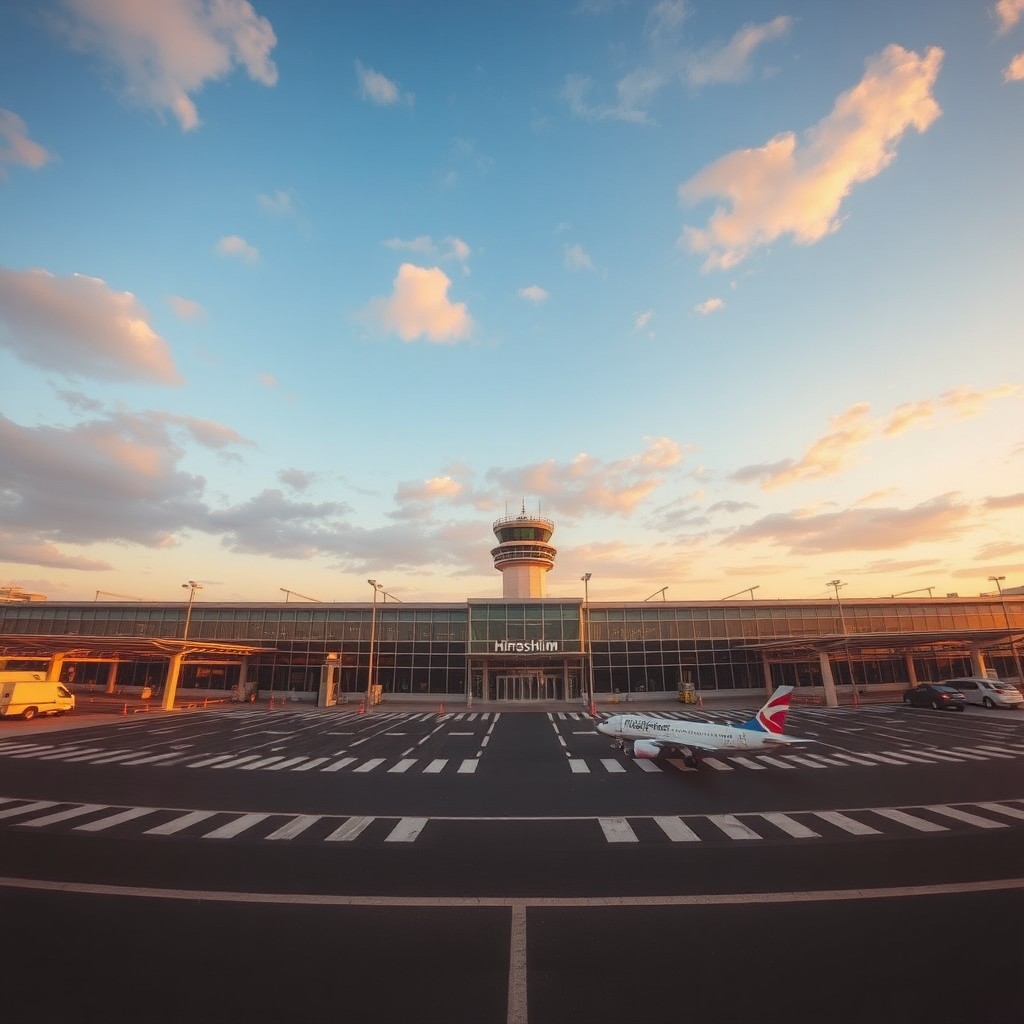
Hiroshima Airport serves a region that balances profound history with natural beauty. The city itself needs no introduction—the Peace Memorial Park and Atomic Bomb Dome tell stories that every visitor should witness. But beyond the city, the Chugoku region offers the iconic floating torii gate of Miyajima, the scenic islands of the Seto Inland Sea, and the rural charm of the inland valleys. A rental car connects all of these with ease. The airport is east of Hiroshima city, in the town of Mihara. This inland position makes it an excellent starting point for drives in any direction—towards the city, the coast, or the mountains. With a rental car, you can move from urban memorials to island shrines to mountain temples in a single day.
Car rental counters are situated in the airport terminal's arrival hall, with operators including Toyota Rent a Car, Nissan, Orix, and Nippon. The rental cars are parked in dedicated lots connected by covered walkways or shuttle buses. International visitors require an International Driving Permit (IDP) issued under the 1949 Geneva Convention, alongside their home country licence. Australia, the UK, the USA, and most European nations are covered. The IDP must be arranged before arriving in Japan. Operating hours run from early morning until evening, matching flight schedules.
Hiroshima Airport (HIJ), Mihara
Plan this first.
Peace Park, Miyajima, Seto Inland Sea
Confirm before booking.
International Driving Permit (IDP)
Confirm before booking.
Miyajima requires a ferry—cars park on the mainland
Confirm before booking.
Match collection to the actual itinerary
Include transfers, parking days, opening hours and return timing when comparing the two options.
Compact Car
A compact car is ideal for Hiroshima city driving and day trips to Miyajima and the coast. Easy to park in urban areas and fuel-efficient for the shorter distances around the city. Perfect for visitors focusing on Hiroshima and nearby attractions.
Mid-size Sedan
For travellers planning to explore deeper into the Chugoku region—to Onomichi, the Kibi Plain, or even across to Shikoku—a larger vehicle offers more comfort on longer drives and extra luggage space for multi-day trips.
Plan the handover, price and first drive
I landed at Hiroshima Airport on a grey March morning, the kind of day that suits the city's history. My first stop was the Peace Memorial Park, where I spent hours walking through the museum and standing at the Atomic Bomb Dome. It is not an easy place to visit, but it is an essential one.
The afternoon was lighter. I drove to Miyajimaguchi and took the ferry to Miyajima Island. The deer wandered through the streets like they owned the place, and the floating torii gate was exactly as beautiful as every photograph suggests. I climbed the mountain trail to the summit, where the view across the Inland Sea made the climb worthwhile.
The next day I drove east to Onomichi, a town that feels frozen in the 1960s. The temple walk took me through backstreets of crumbling houses and sudden ocean views. At the top, an old man was selling lemonade from a cart. We talked about baseball for twenty minutes despite my limited Japanese.
Hiroshima is a region of contrasts—profound history and natural beauty, urban energy and rural peace. A rental car lets you experience all of it. The train will get you to the city. A car gets you to the islands, the mountains, and the conversations you will remember.
Check the conditions behind the price
The selected supplier’s terms and booking voucher control the rental. Review them before payment and again before collection.
Total payable price
Compare the full payable amount and inclusions rather than an unsupported daily-price promise.
Deposit and payment card
Confirm the deposit, accepted card type and whose name must appear on the card.
Excess and cover
Read the renter's liability, exclusions and what any optional protection actually changes.
Fuel policy
Know the collection level, return requirement and whether a refuelling charge can apply.
Mileage and territory
Check any distance limit and where the vehicle may be driven.
Extras and return
Price additional drivers, seats, after-hours service and one-way return before payment.
Choose for people, bags and roads
A category normally represents a group of similar cars, not a promise of one exact model.
- Compact: convenient for couples and tighter parking.
- Intermediate: more room for bags and longer journeys.
- Family or SUV category: useful only when the required capacity justifies it.
- Transmission: select automatic explicitly if manual is unsuitable.
Practical planning before departure
Picking Up Your Car
After baggage claim, follow signs to the rental counters in the arrival hall. Your voucher specifies the operator and vehicle collection point. Inspect the car for damage, confirm fuel policy, and ask about expressway ETC card availability.
Driving to Hiroshima City
The route from the airport to central Hiroshima is straightforward but can be busy during peak hours. GPS navigation is essential. Allow extra time for traffic when heading into the city, particularly on weekday mornings.
Visiting Miyajima
Miyajima Island does not allow private vehicles. Drive to the ferry terminal at Miyajimaguchi, park in the large car park, and take the passenger ferry. The ferry runs frequently and the crossing takes only a few minutes with excellent views of the floating torii gate.
Return Process
Return your vehicle to the airport rental lot with a full fuel tank unless your agreement states otherwise. Allow extra time for traffic when driving back to the airport. Your voucher will specify exact drop-off location and any shuttle transfer to the terminal.
Local access, road and operating conditions can change. Check current signs, your supplier instructions and the linked source before travelling: Japan National Tourism Organization.
Build a realistic first journey
Hiroshima City
The Peace Memorial Park, Atomic Bomb Dome, and Peace Memorial Museum are essential visits. The city also offers excellent food—try the local okonomiyaki at Okonomimura, a building full of competing savoury pancake restaurants.
Miyajima and Itsukushima Shrine
The floating torii gate is one of Japan's most photographed sights. Take the ferry from the mainland, then explore the shrine, wild deer, and mountain hikes. The island is especially beautiful at high tide when the shrine appears to float on water.
Onomichi
This charming port town features a temple walk through the hills, a retro shopping street, and the start of the Shimanami Kaido cycling route across islands to Shikoku. The town has a nostalgic atmosphere that rewards slow exploration.
Sandankyo Gorge
A beautiful river gorge northwest of Hiroshima, Sandankyo offers waterfalls, crystal-clear pools, and autumn colours. The walking trail follows the river through forest and past several impressive falls. Best visited from spring through autumn.
Frequently asked questions
Can I drive to Miyajima?
You can drive to the ferry terminal at Miyajimaguchi, but private vehicles are not allowed on Miyajima Island itself. Park at the terminal and take the passenger ferry. The ferry is frequent and the views are spectacular.
Do I need an IDP for Hiroshima?
Yes, the 1949 Geneva Convention IDP is required for most foreign drivers in Japan, including Hiroshima and the Chugoku region. Australia, the UK, the USA and most European countries are covered.
Is Hiroshima easy to drive in?
The city centre is manageable with GPS, though rush hour can be congested. Parking is available at major hotels and attractions. Outside the city, driving is relaxed and scenic, especially along the coast and into the mountains.
What about the Shimanami Kaido?
This famous cycling route crosses the Seto Inland Sea from Onomichi to Imabari on Shikoku. You can take your rental car across by ferry or simply drive to Onomichi and rent bicycles for the day. The views of the island chain are unforgettable.
Compare Hiroshima Airport car hire
Enter dates above, then compare pickup method, vehicle category and complete supplier terms before booking.
Continue planning with Explore all Japan car hire locations, Car Hire Shin-Fuji Station, Car Hire Hakata Station | Fukuoka City Rentals from ¥3,800/day, Car Hire Miyanoura Port.