

See More Than the Canals with a Rental Car in Bruges
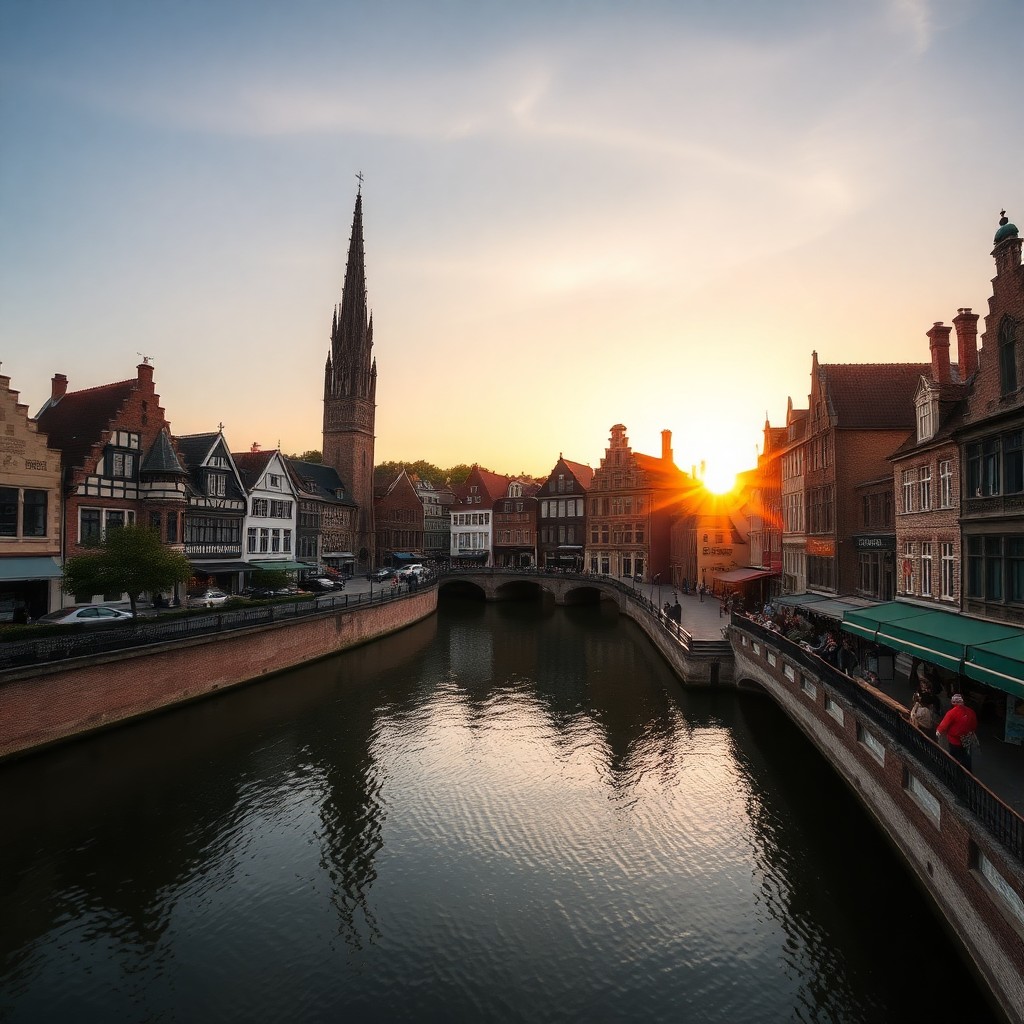
Bruges is one of Europe's most beautifully preserved medieval cities. The historic centre is a UNESCO World Heritage site, filled with cobbled streets, canals, and the iconic belfry. Most visitors never leave the old town, and that is understandable. It is compact, walkable, and stunning. But Bruges is also an ideal base for a wider Flanders road trip. Rent a car here and you can reach the North Sea coast, the battlefields of Ypres, Ghent, and even the French border without changing trains or waiting for buses. The region is small enough that you can see multiple destinations in a single day, and having your own vehicle means you travel on your own schedule.
For travellers arriving by air, Brussels Airport is the main gateway to Bruges. The drive is straightforward along the E40 motorway. If you are already in Belgium, Bruges railway station has car rental offices nearby, and some companies offer city centre collection. Either way, a rental car turns a city break into a proper exploration of Flanders. The Belgian coast is particularly worth the drive. Towns like Ostend and Knokke have beaches, seafood restaurants, and a relaxed atmosphere that contrasts with the intensity of the historic centre. Inland, the countryside is flat, green, and dotted with small villages that most tourists never see.
West Flanders, Belgium
Plan this first.
Brussels Airport (BRU)
Confirm before booking.
Railway station & city offices
Confirm before booking.
Medieval towns, coast, battlefields
Confirm before booking.
Match collection to the actual itinerary
Include transfers, parking days, opening hours and return timing when comparing the two options.
Arrive by Air
Most international visitors fly into Brussels Airport and drive to Bruges from there. The E40 motorway connects the two directly. Rental desks at Brussels Airport are in the arrivals hall, and the drive is simple if you allow extra time for traffic around the capital.
Arrive by Train
If you are already in Belgium, collecting a rental car near Bruges railway station is convenient. The station is a short walk or taxi ride from the old town, and several rental companies have offices nearby. This avoids the need to drive into Brussels traffic.
Plan the handover, price and first drive
Bruges was one of the wealthiest cities in medieval Europe. Its merchants traded wool, cloth, and spices across the continent, and the architecture they funded still defines the city today. The belfry, the Basilica of the Holy Blood, and the network of canals all date from this golden age.
The city declined after the fifteenth century when the river silted up and trade moved to Antwerp. For centuries Bruges was quiet, almost forgotten. That is why it is so well preserved. The medieval street plan, the Gothic churches, and the merchant houses survived because no one rebuilt them.
Today Bruges attracts millions of visitors, but the surrounding region remains relatively quiet. The polders between the city and the coast are dotted with small villages, windmills, and nature reserves. A rental car lets you see this side of Flanders as well as the famous centre.
Check the conditions behind the price
The selected supplier’s terms and booking voucher control the rental. Review them before payment and again before collection.
Total payable price
Compare the full payable amount and inclusions rather than an unsupported daily-price promise.
Deposit and payment card
Confirm the deposit, accepted card type and whose name must appear on the card.
Excess and cover
Read the renter's liability, exclusions and what any optional protection actually changes.
Fuel policy
Know the collection level, return requirement and whether a refuelling charge can apply.
Mileage and territory
Check any distance limit and where the vehicle may be driven.
Extras and return
Price additional drivers, seats, after-hours service and one-way return before payment.
Choose for people, bags and roads
A category normally represents a group of similar cars, not a promise of one exact model.
- Compact: convenient for couples and tighter parking.
- Intermediate: more room for bags and longer journeys.
- Family or SUV category: useful only when the required capacity justifies it.
- Transmission: select automatic explicitly if manual is unsuitable.
Practical planning before departure
Documents
Bring your driving licence, a credit card in the main driver's name, and your booking confirmation. Some providers require an International Driving Permit for licences not in Latin script. Debit cards are often not accepted for the security deposit.
Driving in Bruges
The historic centre of Bruges is largely pedestrianised and difficult to navigate by car. Park at one of the designated car parks on the edge of the old town and walk in. The ring road around the centre makes it easy to bypass the core when arriving or leaving.
Fuel Policy
Most rental cars are supplied with a full tank and should be returned full. Petrol stations are easy to find on the approach roads to Bruges. Check your agreement carefully to avoid refuelling charges.
Local access, road and operating conditions can change. Check current signs, your supplier instructions and the linked source before travelling: Visit Bruges.
Build a realistic first journey
The Belgian Coast
The North Sea coast is a short drive from Bruges. Ostend is the largest resort, with a long beach and a busy harbour. Knokke is more upmarket, with designer shops and golf courses. Smaller towns like De Haan have a quieter, more traditional feel.
Ypres and the Battlefields
The World War One battlefields and memorials around Ypres are deeply moving and historically significant. The drive from Bruges is direct, and having a car lets you visit multiple sites in one day, including Tyne Cot Cemetery and the Menin Gate.
Ghent
Ghent is often overlooked in favour of Bruges, but it is equally impressive and far livelier. The drive between the two cities is quick and easy. Visit Gravensteen castle, the Graslei waterfront, and the contemporary art museum before returning to Bruges.
Frequently asked questions
Do I need a car in Bruges?
Not for the city centre itself, which is best explored on foot. But if you want to see the coast, the battlefields, or other Flemish cities, a rental car is far more practical than public transport.
Where is the best place to pick up a rental car for Bruges?
Brussels Airport has the widest choice of vehicles and providers. Bruges railway station is more convenient if you are already in Belgium. Compare both options based on your arrival point and itinerary.
Can I drive from Bruges to France or the Netherlands?
Yes, both borders are close. Dunkirk and Lille in France are easy drives, as are Dutch towns like Sluis and Cadzand. Confirm cross-border policy with your rental provider before you travel.
Is parking difficult in Bruges?
The historic centre has very limited parking and many pedestrian zones. Use the car parks on the ring road and walk into the centre. Your hotel can advise on the best place to leave your car overnight.
Compare Bruges car hire
Enter dates above, then compare pickup method, vehicle category and complete supplier terms before booking.
Continue planning with All Car Hire Locations, Car Hire Antwerp Airport | Rent a Car from the quoted rate for the selected dates, Car Hire Antwerp | Rent a Car from the quoted rate for the selected dates, Car Hire Brussels Airport | Rent a Car from the quoted rate for the selected dates.