

Explore the Heart of Europe from Brussels
Brussels is the political and administrative capital of Belgium, home to the European Union institutions, NATO headquarters, and some of the finest beer and chocolate in Europe. It is also one of the best cities in Western Europe from which to rent a car. The road network radiates in every direction, and the country's small size means you can reach multiple destinations in a single day. Most visitors rent a car either at Brussels Airport or from offices in the city centre. The airport is the larger and more convenient option, with more providers and better availability. City centre offices suit those already staying in Brussels who want to explore beyond the capital without backtracking to the airport.
With a rental car, Brussels becomes a hub rather than just a destination. Antwerp is close to the north, Bruges and Ghent to the west, and the Ardennes forests to the southeast. The Dutch border is minutes away, and France and Germany are both practical for longer trips. Belgium's motorways are well maintained and clearly signposted, making cross-border driving straightforward. Within Brussels itself, driving is manageable but requires attention. The city centre has narrow streets, heavy traffic, and a low-emission zone that covers most of the historic core. Many visitors prefer to park on the outskirts and use public transport for city sightseeing, then use the rental car for day trips.
Brussels-Capital, Belgium
Plan this first.
Brussels Airport & city offices
Confirm before booking.
EU institutions, road trips, chocolate
Confirm before booking.
Antwerp, Bruges, Netherlands, France
Confirm before booking.
Match collection to the actual itinerary
Include transfers, parking days, opening hours and return timing when comparing the two options.
Airport Collection
Brussels Airport has the widest selection of rental vehicles and providers. The counters are in the arrivals hall, and the car park is a short walk away. Because the airport is busy, booking in advance is essential to guarantee your preferred vehicle and avoid long queues.
City Centre Collection
Several rental companies have offices in central Brussels, often near Brussels Midi or Brussels Central stations. This is convenient if you are already in the city, but be prepared for traffic and parking restrictions. Confirm that your hotel has parking if you collect downtown.
Plan the handover, price and first drive
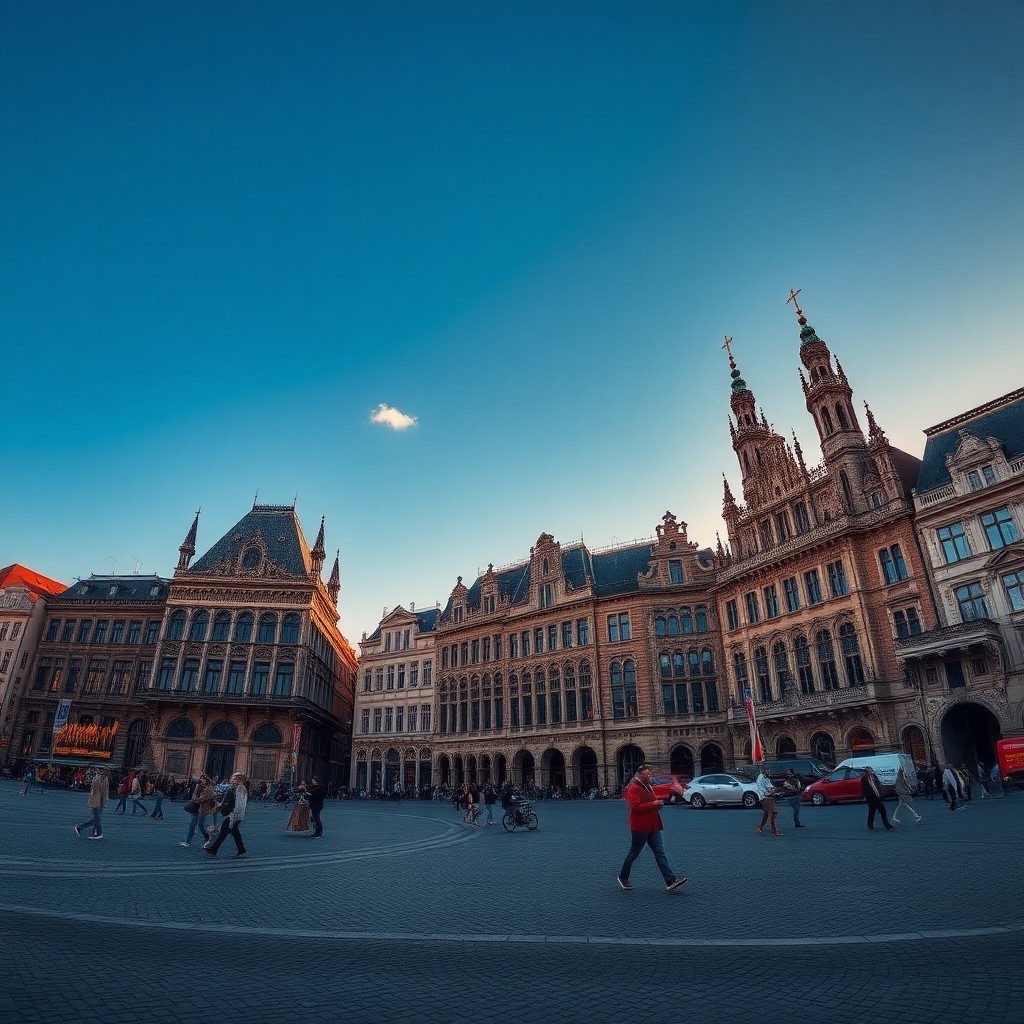
Brussels has been a major European city since the Middle Ages. Its Grand Place is widely considered one of the most beautiful squares in the world, and the city has played a central role in European politics for decades. But Brussels is also a city of neighbourhoods, each with its own character.
The European Quarter is modern and institutional, while the historic centre feels centuries older. The Marolles district has flea markets and vintage shops, and Ixelles is full of restaurants and bars. A rental car lets you see all of this and still escape to the countryside.
The surrounding region is equally diverse. Flanders to the north is flat and densely populated, with medieval cities and coastal resorts. Wallonia to the south is more rural, with forests, rivers, and small towns that have changed little over the years. Belgium's small size means you can experience both in a single trip.
Check the conditions behind the price
The selected supplier’s terms and booking voucher control the rental. Review them before payment and again before collection.
Total payable price
Compare the full payable amount and inclusions rather than an unsupported daily-price promise.
Deposit and payment card
Confirm the deposit, accepted card type and whose name must appear on the card.
Excess and cover
Read the renter's liability, exclusions and what any optional protection actually changes.
Fuel policy
Know the collection level, return requirement and whether a refuelling charge can apply.
Mileage and territory
Check any distance limit and where the vehicle may be driven.
Extras and return
Price additional drivers, seats, after-hours service and one-way return before payment.
Choose for people, bags and roads
A category normally represents a group of similar cars, not a promise of one exact model.
- Compact: convenient for couples and tighter parking.
- Intermediate: more room for bags and longer journeys.
- Family or SUV category: useful only when the required capacity justifies it.
- Transmission: select automatic explicitly if manual is unsuitable.
Practical planning before departure
Low Emission Zone
Brussels has a strict low-emission zone covering most of the city centre. Check whether your rental vehicle meets the requirements if you plan to drive into the historic core. Most modern cars qualify, but older diesel vehicles may be restricted.
Parking
Street parking in central Brussels is limited and expensive. Many hotels offer parking, but always confirm in advance. For day trips, consider using Park and Ride facilities on the edge of the city and taking the metro or tram into the centre.
Documents
You will need your driving licence, a credit card in the main driver's name, and your booking confirmation. An International Driving Permit may be required for non-Latin licences. Check with your rental provider before travel.
Local access, road and operating conditions can change. Check current signs, your supplier instructions and the linked source before travelling: Visit Brussels.
Build a realistic first journey
Antwerp
Antwerp is Belgium's second city and a major centre for diamonds, fashion, and port trade. The drive from Brussels is direct and quick. The historic centre, the cathedral, and the MAS museum are all worth visiting.
Bruges and Ghent
Both cities are among the most beautiful in Belgium. Bruges is famous for its canals and medieval architecture, while Ghent has a more energetic, contemporary feel. Either makes an excellent day trip from Brussels.
The Ardennes
Southeast of Brussels, the Ardennes offers forests, rivers, and small towns that feel remote and peaceful. The drive is scenic, and the region is ideal for hiking, kayaking, and exploring country restaurants.
Frequently asked questions
Where is the best place to pick up a rental car in Brussels?
Brussels Airport has the most choice and the smoothest collection process. City centre offices are convenient if you are already staying in Brussels, but traffic and parking make airport collection less stressful for most visitors.
Can I drive a rental car from Brussels to other countries?
Yes, most rental agreements allow travel to neighbouring EU countries including the Netherlands, France, Germany, and Luxembourg. Confirm cross-border policy with your provider before you travel.
Is Brussels easy to drive in?
The ring road and motorways are straightforward, but the city centre has narrow streets, trams, and a low-emission zone. Many visitors prefer to park outside the centre and use public transport for sightseeing.
What should I see near Brussels by car?
Antwerp, Bruges, and Ghent are the classic day trips. The Belgian coast, the Ardennes, and the World War One battlefields around Ypres are also within easy reach. The Netherlands and France are practical for longer excursions.
Compare Brussels car hire
Enter dates above, then compare pickup method, vehicle category and complete supplier terms before booking.
Continue planning with Car Hire Bruges | Compare Rentals & Explore Flanders, Car Hire Antwerp Airport | Rent a Car from the quoted rate for the selected dates, Car Hire Antwerp | Rent a Car from the quoted rate for the selected dates, Car Hire Brussels Airport | Rent a Car from the quoted rate for the selected dates.