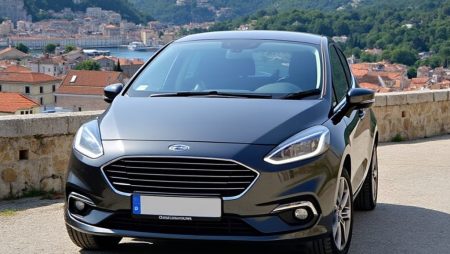

Car Hire Casa-Port Railway Station Casablanca
Why Hire a Car at Casa-Port Railway Station?
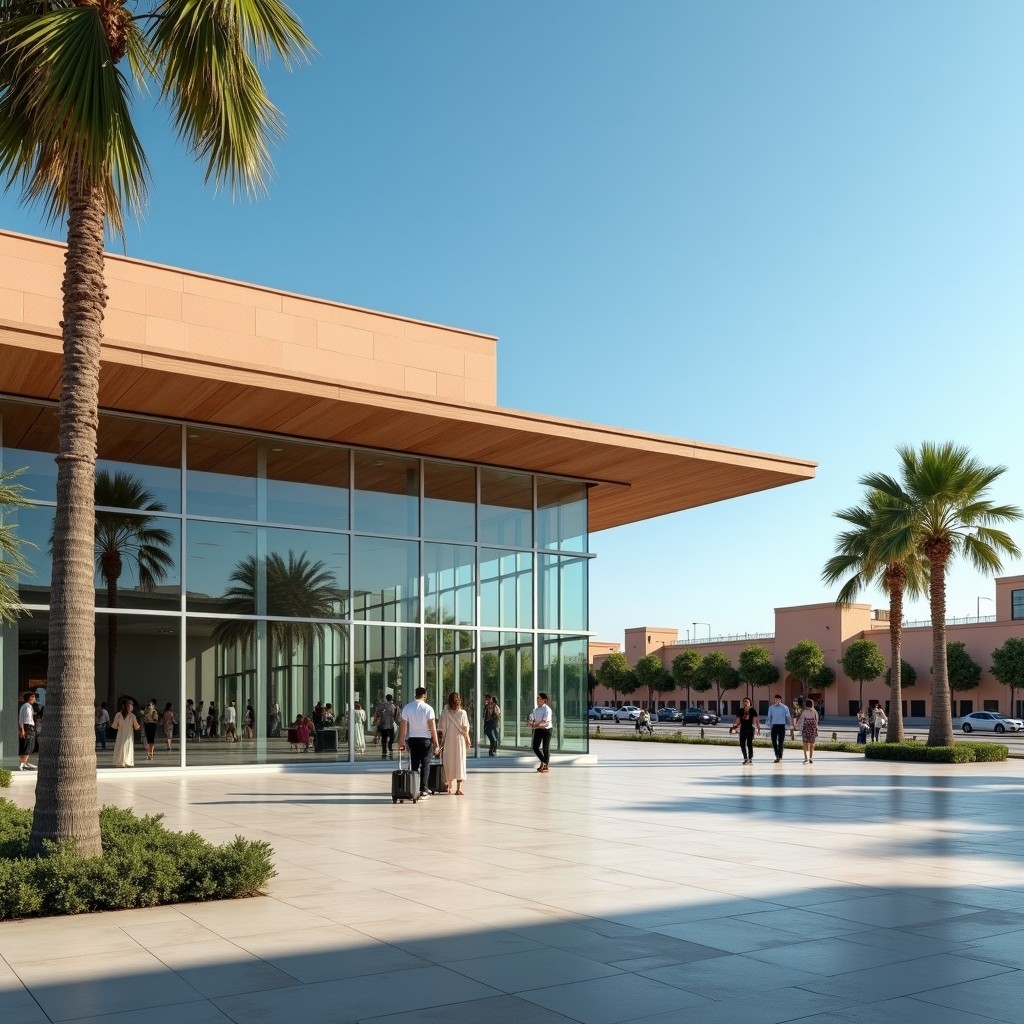
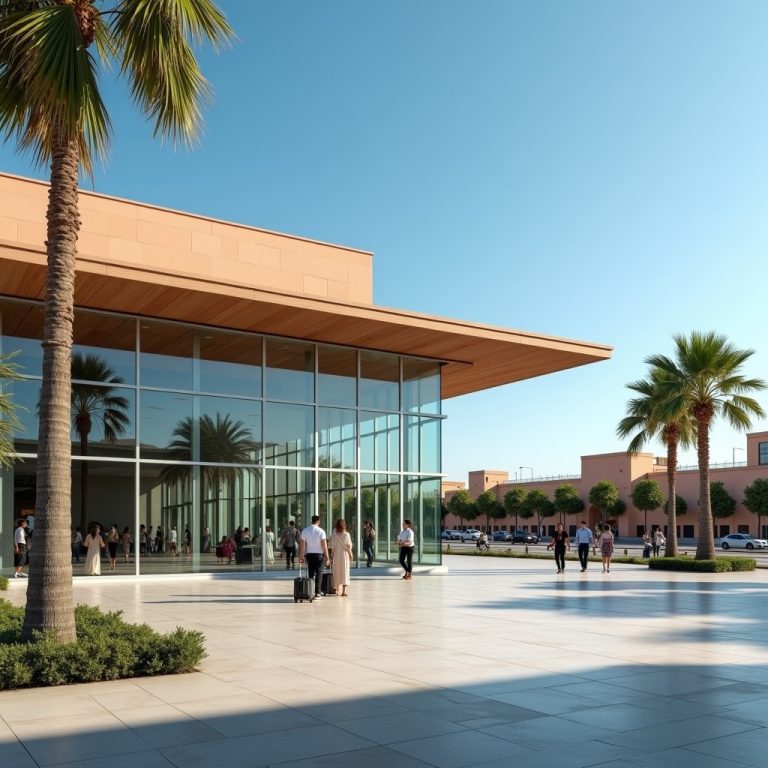
Casa-Port is Casablanca’s primary railway terminal, sitting right in the heart of the city between the medina and the modern business district. Trains arrive here from Marrakech, Rabat, Tangier, and Fez every hour, dumping hundreds of travellers onto the concourse who suddenly realise they need wheels. The station itself is clean, organised, and surprisingly well-connected to the road network but the car hire-vitoria/”>hire-mesolonggi-marina/”>hire counters are not inside the main hall. They cluster in a small office block about two hundred metres east of the platform exits, which means first-time visitors often wander in circles dragging suitcases across busy intersections.
Hiring a car at Casa-Port makes sense if your itinerary stretches beyond Casablanca city limits. Morocco’s Atlantic coastline, the Middle Atlas mountains, and the imperial cities of Rabat and Marrakech are all within a few hours’ drive. Public transport between Moroccan cities is decent but slow, and once you leave the major routes the bus network thins out quickly. Having your own car unlocks coastal towns like El Jadida and Safi, mountain villages in the Rif, and remote kasbahs that tour buses never reach. For anyone flying into Casablanca but catching a train first, Casa-Port is also a logical pickup point because it saves the trek back to Mohammed V International Airport.
How to Reach the Car Hire Counters
The official car rental desks at Casa-Port are not inside the station building itself. Exit through the main glass doors facing Boulevard Mohamed VI, turn left, and walk approximately two hundred metres east along the boulevard. The offices sit in a low-rise commercial block directly opposite the station’s eastern parking lot. Look for signage in both French and Arabic; the Arabic script can confuse navigation apps so stick to the boulevard name.
If you arrive with heavy luggage, the concourse taxi drivers will offer to drive you the two hundred metres for a flat fifty-dirham fee. Decline. The walk takes three minutes on flat pavement and the drivers know exactly what they are doing. For anyone arriving after dark, the area is well-lit and busy until at least eleven at night, but the rental offices close by eight in the evening. If your train is delayed, arrange an after-hours pickup in advance or plan to collect the car the following morning.
2026 Rates and What to Expect
Daily rates for a compact manual car at Casa-Port start around fourteen euros in low season and climb to twenty-two euros during July and August. Automatic transmission adds roughly four euros per day, which is worth paying if you are not comfortable with a manual gearbox in heavy Moroccan traffic. Full insurance with zero excess is strongly recommended because Moroccan roads throw potholes, unmarked speed bumps, and enthusiastic local drivers into the mix without warning.
The big international chains have desks here but their fleets are smaller than at Mohammed V Airport. If the specific vehicle class you booked is not available, the staff will upgrade you at no extra charge or redirect you to the airport branch. This happens more often than you would think, especially during Ramadan and the summer holiday season when demand spikes. Booking at least seventy-two hours ahead guarantees the model you want and usually secures a better rate than walking in cold.
One-Way Rentals: Casa-Port to Mohammed V Airport
One of the most popular itineraries for Casa-Port arrivals is a one-way rental that starts at the station and ends at Mohammed V Airport. The drive takes roughly forty minutes via the A3 motorway and costs around thirty dirhams in tolls. Every major rental company allows this drop-off but some charge a one-way fee of fifteen to twenty-five euros. Smaller local agencies waive the fee entirely if you book directly with their Casa-Port office, which is worth exploring if your budget is tight.
Make sure the contract explicitly states the drop-off location. Airport desks operate different hours from the station branch and parking validation at Mohammed V requires a specific exit code that the Casa-Port staff must preload into your key fob. Skip this step and you will spend twenty minutes arguing with security at the airport rental return lane.
Driving from Casa-Port: Where to Head First
Casablanca’s road network radiates from the city centre in roughly four directions, and Casa-Port sits close to the intersection of the main arteries. North takes you to Rabat along the coastal Route nationale 1, a smooth two-lane highway with ocean views and decent roadside cafes. South on the A3 leads directly to Marrakech in roughly two and a half hours, passing through flat agricultural land before the Atlas Mountains rise on the horizon. East toward Fez and Meknes follows the A2 motorway, which cuts through fertile valleys and olive groves. West is the Atlantic coast, quieter but beautiful, with fishing villages and empty beaches stretching toward El Jadida.
Traffic inside Casablanca itself is aggressive by European standards. Roundabouts operate on a priority-to-the-left rule that locals interpret creatively, and lane markings are suggestions rather than rules. Stay calm, keep your windows up to avoid dust and beggars at lights, and never assume another driver has seen you. The city clears out dramatically after eight in the evening, making late-night arrivals much easier than midday pickups.
Essential Tips for Morocco First-Timers
Driving in Morocco is rewarding but demands vigilance. Police checkpoints appear regularly on main roads; keep your passport, driving licence, rental documents, and insurance certificate within arm’s reach. International Driving Permits are technically required for non-European visitors although enforcement is patchy. Having one saves arguments at checkpoints and rental desks.
Fuel is subsidised and cheap by European standards, but rural stations can run dry on Friday afternoons and during religious holidays. Fill up whenever your tank drops below half. Cash is king on the road; toll booths accept dirham notes only and many rural garages do not take cards. Keep a stash of small bills because attendants rarely have change for two-hundred-dirham notes.
GPS works well on main routes but drops signal in the Rif mountains and deep into the Sahara. Download offline maps before you leave Casablanca, or rent a car with built-in navigation. Phone data is cheap and widely available but mountain coverage is patchy. If your route includes mountain passes or desert tracks, tell someone your expected arrival time and carry extra water.
Casa-Port vs Mohammed V Airport: Which Pickup Works Best?
Most international visitors assume the airport is the obvious place to collect a rental car, and for some itineraries it is. Mohammed V has a larger fleet, longer opening hours, and more competition between agencies, which usually means lower rates. But Casa-Port wins if you are spending a night or two in Casablanca before hitting the road. The station is centrally located, within walking distance of the old medina, the Hassan II Mosque, and the waterfront Corniche. Collecting here lets you explore the city without paying for parking at a hotel, then drive south or east when you are ready.
The other advantage is drop-off flexibility. If your trip ends in Marrakech, Fez, or Tangier, one-way rentals from Casa-Port are easier to arrange than from the airport because the station branch handles more domestic traffic and less rigid international scheduling. Just confirm the return policy before you drive away.
Common Questions About Car Hire at Casa-Port
Do you need an International Driving Permit?
Legally yes, practically sometimes. Moroccan law requires an IDP for anyone holding a non-Arabic, non-French licence. Rental desks at Casa-Port sometimes overlook this for European licences but police checkpoints will not. Get an IDP before you travel. It costs about seven euros from your national automobile club and removes every potential headache.
Is parking available near Casa-Port for collection?
The station has a secure pay-and-display lot directly opposite the rental office block. Rates are roughly five dirhams per hour, which is cheap enough to leave your car there while you grab coffee or double-check your route. Do not leave valuables visible. Overnight parking is not recommended in the open lot; move to your hotel’s garage or a guarded compound.
Can you drop a Casa-Port rental at another Moroccan city?
Yes, but fees vary. Marrakech, Fez, Rabat, and Tangier are standard one-way routes with fixed surcharges between fifteen and thirty euros. Smaller cities like Chefchaouen or Ouarzazate may not accept one-way returns at all. The station staff can confirm availability on the day but do not rely on verbal promises. Get the drop-off city and fee written into the rental agreement before you sign.
What happens if your train is delayed?
Rental offices close at eight. If your train from Marrakech or Fez is delayed and you miss the cut-off, your booking will be held until the next morning. Some agencies charge a no-show fee of ten to fifteen euros; others are more relaxed. The best defence is a phone call. Most Casa-Port branches answer until seven thirty and will mark your reservation for late collection if you give them advance warning.
Are automatic cars available at Casa-Port?
Yes, but in limited numbers. Automatics make up roughly twenty percent of the Casa-Port fleet and vanish first during peak season. If you cannot drive manual, book an automatic explicitly and confirm the transmission type in your voucher. Walking in on the day and hoping for an automatic is a gamble you will probably lose.