
Save up to 70% on Car Rental !

Car Hire Lakki | From €22/day | 365 Car Hire

Why Hire a Car in Lakki?

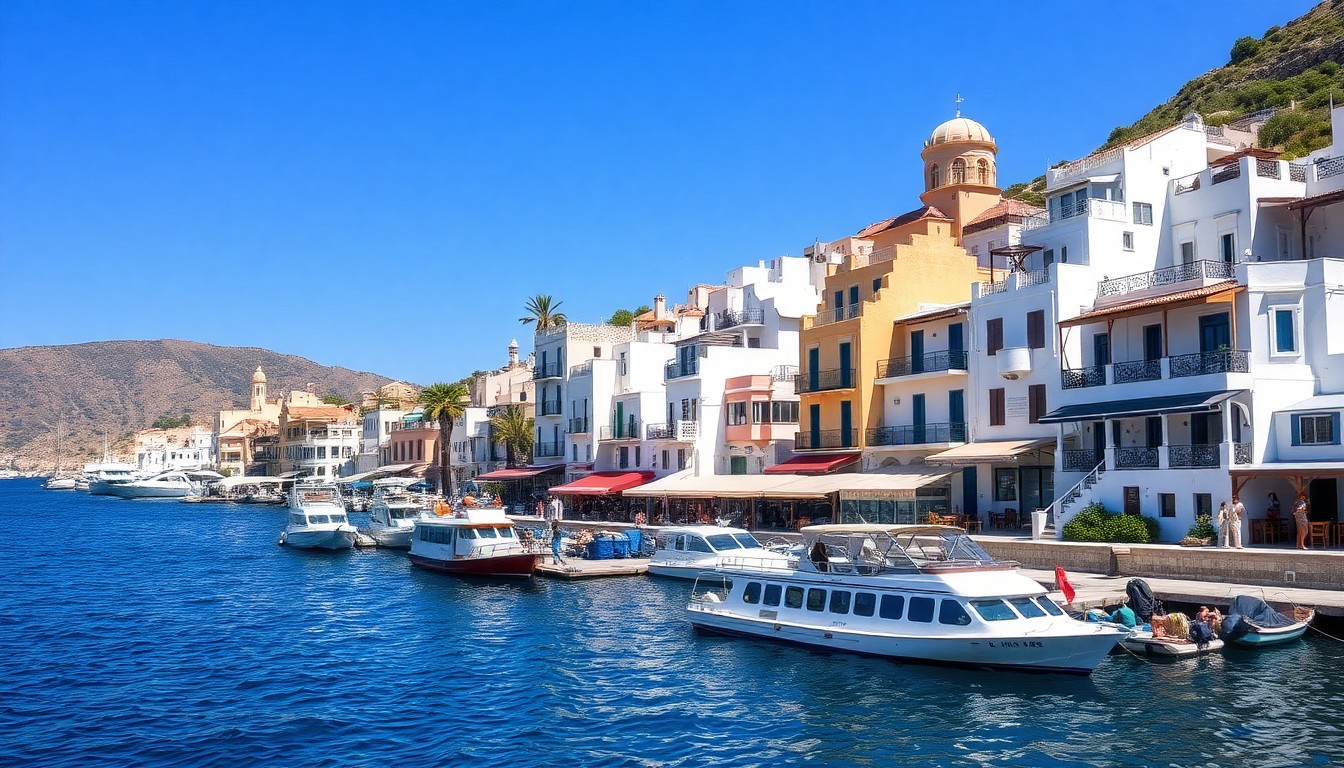
Lakki is the main port of Leros island — a town built by Italians in the 1930s with distinctive Art Deco architecture that you won’t find anywhere else in Greece. While the town itself is walkable, car hire in Lakki opens up the rest of this fascinating Dodecanese island. The medieval village of Plaka sits high on a hilltop, the beaches of Panteli and Alinda stretch along the coastline, and WWII sites are scattered across the landscape. Without your own transport, you’d be relying on infrequent local buses or expensive taxis.

Leros has a 53km circumference — small enough to explore thoroughly in a few days, but large enough that walking everywhere isn’t practical. The island’s deep natural harbour made it strategically important for centuries, first for the Ottoman Empire, then the Italians, then as a German stronghold during World War II. This military history has left bunkers, tunnels, and museums that are spread across the island’s rugged terrain.

Today, Lakki serves as a peaceful ferry hub connecting to Kos, Patmos, Lipsi, and Kalymnos. Many visitors arrive by ferry and immediately pick up their rental car at the port. Having your own vehicle means you can reach secluded beaches like Xirokambos on the south coast, catch sunsets from different vantage points, and visit the excellent War Museum at your own pace. The freedom to stop wherever catches your eye — a roadside chapel, a hidden taverna, a viewpoint over the Aegean — is what makes hiring a car in Lakki worthwhile.

For those island-hopping through the Dodecanese, having a car on Leros also means you can make the most of a short stay. See car hire in Kos or car hire in Patmos for other destinations in the region.

About Lakki, Leros, Greece

Leros sits in the eastern Aegean Sea, part of the Dodecanese island group that includes better-known neighbours like Rhodes and Kos. The island covers about 54 square kilometres with a population of roughly 8,000 permanent residents. Lakki (sometimes spelled Lakkí) is the main port town and administrative centre, located on the west coast of the island in one of the largest natural harbours in the Mediterranean.

What makes Lakki visually striking is its Italian heritage. The Italians occupied the Dodecanese from 1912 until 1948, and during the 1930s, Mussolini’s regime transformed Lakki into a model Fascist town called Porto Lago. Italian architects designed wide boulevards, geometric buildings, and Art Deco structures that remain intact today. The distinctive architecture includes the cylindrical Market building, the Hotel Leros (now a conference centre), and the former Fascist headquarters with its rationalist design. This Italian influence extends to other parts of the island — the Italians built roads, infrastructure, and military installations that shaped modern Leros.

Before the Italian period, Leros had a long history dating back to ancient times. The island was mentioned by Homer, and archaeologists have found evidence of settlements from 3000 BCE. The Castle of Panagia in Plaka dates from the 11th century, built on the remains of an ancient temple. During Byzantine times, Leros was part of the Theme of Samos, and later fell to the Knights of St. John, the Ottomans, and then the Italians.

World War II left a significant mark on Leros. The Battle of Leros in November 1943 was one of the last major German airborne operations, resulting in intense fighting across the island. Today, this history is preserved in several museums and sites, making Leros a destination for military history enthusiasts. The island finally joined Greece in 1948 along with the rest of the Dodecanese.

Culturally, Leros maintains strong Greek traditions alongside its Italian architectural legacy. The island is known for its seafood cuisine — fresh fish, octopus, and local cheeses like kopanisti. Religious festivals throughout the year bring communities together, particularly the feast of Agia Marina in July. The pace of life remains relaxed, even in summer, with far fewer crowds than nearby Rhodes or Kos.

Top Destinations and Attractions to Drive To

Plaka is Leros’s medieval capital and the island’s most picturesque settlement. White houses climb a steep hillside toward the Castle of Panagia, a fortress built by the Knights of St. John in the 11th century. The drive from Lakki takes about 15 minutes along winding roads. You can park at the base of the village and walk up through narrow alleys to the castle — allow 20 minutes for the climb. The views from the top stretch across the entire island and out to neighbouring islets. Inside the castle, a small church and museum display icons and artefacts from Leros’s Byzantine period.

Panteli Beach, just below Plaka on the east coast, is the island’s best all-around beach destination. The sandy shore curves around a protected bay with shallow water ideal for swimming. A row of tavernas lines the waterfront, serving fresh seafood and local dishes. Water sports including windsurfing are available in summer. Drive time from Lakki is about 15 minutes, and parking is available along the main road above the beach.

Alinda Beach on the north coast offers a long sandy stretch with more facilities than anywhere else on Leros. Several beach bars, restaurants, and hotels line the shore. The water is calm and shallow, making it popular with families. Alinda is about a 10-minute drive from Lakki along the main coastal road. The Agia Marina church sits at one end of the beach, worth a quick visit for its white dome and sea views.

The War Museum (also called the Merikia War Museum) is housed in an Italian-built tunnel complex near Lakki. Displays include weapons, uniforms, photographs, and personal items from the Battle of Leros and broader WWII history in the Dodecanese. The museum provides context for the bunkers and fortifications you’ll see scattered across the island. Allow an hour for your visit — the drive from Lakki takes just 5 minutes. See also car hire in Kalymnos for more Dodecanese islands with WWII history.

Bellenis Tower in Alinda is a medieval stone tower that once belonged to a wealthy family of the same name. The tower sits in well-maintained gardens and houses a small folklore museum with traditional costumes, household items, and agricultural tools. It’s a quieter attraction that gives insight into island life in past centuries.

Xirokambos Beach on the south coast is worth the 20-minute drive from Lakki for its crystal-clear water and relative seclusion. The beach is a mix of sand and pebbles, with a few tavernas nearby. The drive takes you through the village of Agia Marina and past the remains of ancient temples. The road becomes narrower as you approach Xirokambos — take it slow.

The Windmills above Agia Marina offer one of the best photo opportunities on Leros. Several restored windmills sit on a ridge with panoramic views of the island and sea. The best time to visit is late afternoon when the light softens. A short drive from the main road, with parking nearby.

Agia Marina village, not to be confused with the church at Alinda, is Leros’s second-largest settlement. It sits between Plaka and Lakki with a mix of traditional houses and modern buildings. The village has several good tavernas and a relaxed local atmosphere. It’s a convenient lunch stop between sightseeing destinations.

For those interested in Italian architecture, drive through Lakki town itself before leaving. The Market building with its cylindrical design, the former Cinema, and the Hotel Leros building showcase Italian rationalist architecture. These aren’t museums — they’re functioning buildings you can walk around and photograph.

Driving Tips for Leros

Road conditions on Leros are generally good but require attention. The main road circling the island is paved and well-maintained. Side roads to beaches and villages are narrower, often with tight corners and steep sections. A compact car is strongly recommended — anything larger will struggle on the narrower lanes. The island is hilly, so expect switchbacks and elevation changes even on main routes.

Driving times are short but slower than distances suggest. Lakki to Plaka takes about 15 minutes, Lakki to Alinda about 10 minutes, and you can reach any beach in under 20 minutes. The island’s small size means you’re never far from your destination, but winding roads require concentration.

Parking is straightforward in most locations. Plaka has parking areas at the base of the village — don’t attempt to drive into the pedestrian-only lanes. Beaches like Panteli and Alinda have roadside parking. In Lakki town, find spaces along the main streets near the port. Parking is free throughout the island.

Greek driving rules apply: drive on the right, seatbelts are mandatory, and blood alcohol limits are strict (0.05% for most drivers). Speed limits are generally 50km/h on main roads and lower in built-up areas. Police presence is light, but speeding in villages is inadvisable anyway — the roads aren’t built for it.

Local driving habits may differ from what you’re used to. Drivers sometimes stop unexpectedly to chat with pedestrians or let cars reverse out of driveways. Goats occasionally wander onto roads, particularly in rural areas. At night, some roads are poorly lit — stick to main routes if driving after dark.

Fuel stations are limited on Leros. There’s a petrol station in Lakki near the port and another in Agia Marina. Fill up when you can — opening hours aren’t always predictable, and some stations close on Sundays. Credit cards are accepted at most pumps.

GPS and navigation work well on the island, but don’t rely solely on your phone — download offline maps as backup. Signage is in Greek and English on main roads, but smaller tracks may have Greek-only signs.

Car Hire Tips for Lakki

Where to rent: Car hire companies operate at Lakki port and Leros Airport (LRS), about 4km from the port. Most visitors arrive by ferry, so port pickups are most common. If you’re flying from Athens, airport collection is straightforward. Book in advance during July and August — the island has limited vehicles available.

What to expect: The rental fleet on Leros consists mainly of compact cars — think Fiat Panda, Hyundai i10, or similar. These vehicles are ideal for the island’s narrow roads. Automatic transmission is available but less common; book early if you require it. Air conditioning is standard and essential in summer.

Documents required: A valid driving licence from your home country is sufficient for most visitors. EU licence holders can use their domestic licence. Non-EU visitors should carry an International Driving Permit alongside their licence — some rental companies require it. You’ll also need a credit card in the main driver’s name for the security deposit.

Insurance: Basic insurance is included in most rentals, but check the excess (deductible) amount. Consider excess reduction insurance if you’re concerned about potential damage. Inspect the vehicle carefully before leaving and photograph any existing scratches or dents. This protects you from disputes over damage you didn’t cause.

Fuel policy: Most rentals operate a full-to-full fuel policy — you receive the car with a full tank and return it full. There’s a petrol station near Lakki port, so filling up before return is convenient.

Best Time to Visit Leros

The best time for car hire in Leros depends on your priorities. July and August bring hot weather (30°C+), warm seas, and all facilities open — but also higher prices and more visitors. June and September offer a good compromise: warm weather, fewer crowds, and lower rental rates. The sea remains warm enough for swimming through October.

Spring (April-May) and autumn (October) are ideal for exploring Leros’s historical sites and hiking trails. The landscape is greenest in spring, with wildflowers covering the hills. Winter (November-March) is quiet with some tavernas and hotels closed, but the mild climate makes it pleasant for sightseeing. Ferry schedules are reduced in winter, so check connections if you’re island-hopping.

For more information about exploring the Dodecanese, see our guides to car hire in Rhodes and car hire in Kos.

FAQ: Car Hire in Lakki, Leros

Do I need a car in Leros?
A car isn’t strictly necessary if you’re staying in Lakki and only visiting nearby beaches — taxis and local buses exist. However, to explore the island properly, reach secluded beaches, and visit historical sites at your own pace, hiring a car is strongly recommended. The island’s attractions are spread out, and public transport is limited.

What’s the minimum age to hire a car in Leros?
Most car hire companies require drivers to be at least 21 years old, with a licence held for at least one year. Drivers under 25 may face a young driver surcharge. The maximum age limit varies by company, typically around 70-75.

Is parking difficult in Leros?
Parking is generally easy throughout Leros. Villages like Plaka have designated parking areas, and beaches have roadside spaces. In Lakki town, find parking along main streets. There are no paid parking areas on the island.

Can I take my rental car on the ferry to other islands?
Most car hire companies in Leros do not permit vehicles on ferries. If you’re planning to island-hop, return the car in Leros and arrange separate hire on your next island. Check your rental agreement for specific terms.

Automatic or manual transmission?
Manual transmission is the default on Leros, and the island’s small roads make manual cars easy to manage. Automatics are available but limited in number — book well in advance if you require one.

Do I need an International Driving Permit?Related Destinations

Car Hire Patmos · Car Hire Kalymnos · Car Hire Kos · Car Hire Lipsi