

Hire a Car in Patras and Unlock the Peloponnese
Patras is Greece's third-largest city and the main gateway to the Peloponnese and the western mainland. Its position on the Gulf of Patras makes it a natural hub for anyone arriving by ferry from Italy or driving south from Athens. Hiring a car here gives you access to one of the most historically rich regions in Greece, from ancient Olympia to the Venetian harbour of Nafpaktos, all within a comfortable day trip. The completion of the Rio-Antirrio Bridge has made the crossing to mainland Greece faster and easier, reinforcing Patras as a strategic starting point for road trips. Whether you are staying in the city or passing through on your way to the islands, a rental car turns a transit stop into a proper exploration.
Patras occupies the northern entrance to the Peloponnese, where the Gulf of Corinth narrows to meet the Ionian Sea. The city has a long waterfront, a lively centre, and the medieval castle that overlooks it all. Beyond the city limits, the landscape opens into rolling hills, olive groves, and coastal roads that lead south to ancient sites and mountain villages. The climate is Mediterranean, with hot, dry summers and mild winters. Spring and autumn are excellent seasons for driving, with mild temperatures and fewer visitors than the peak months of July and August. Winter is quiet but functional; the city remains active, and the roads are generally clear.
Western Greece, Peloponnese gateway
Plan this first.
Approx. 170,000 in the city
Confirm before booking.
Italy (Ancona, Bari, Brindisi, Venice)
Confirm before booking.
Araxos (seasonal, limited flights)
Confirm before booking.
Match collection to the actual itinerary
Include transfers, parking days, opening hours and return timing when comparing the two options.
Port Pickup: Patras Ferry Terminal
Patras is one of Greece's busiest passenger ports, with ferries arriving daily from Italy and the Ionian islands during the summer season. The terminal area has several rental offices within walking distance of the ferry ramps. If you are arriving from Italy with a vehicle or on foot, port pickup is the most practical option. Confirm your supplier's exact desk location before you travel, as some offices are inside the terminal building and others are on the approach roads. Summer arrivals can be busy, so allow extra time for queues.
City Pickup: Patras Centre
If you are staying in Patras for a night or two before exploring further, collecting your car from a city office is often more convenient than port pickup. Offices are located near the centre and along the main approach roads. This option also suits travellers who arrive by bus from Athens or by train and want a car for the onward journey into the Peloponnese. City pickups typically have more flexible hours than port desks, especially outside the peak ferry season.
Plan the handover, price and first drive
Patras has been a crossing point for as long as people have travelled between Italy and Greece. Before the Rio-Antirrio Bridge, ferries shuttled cars and lorries across the narrow strait in a process that could take an hour or more. The bridge changed everything. Now, the crossing takes minutes, and the view from the deck is one of the most dramatic in southern Europe.
The city's history goes back much further than the bridge. The medieval castle that looms over the waterfront was built by the Byzantines and strengthened by every power that held the city since. The old town around it still has the feel of a place that has been lived in for centuries, not a museum piece but a working neighbourhood. Down on the waterfront, the ferries to Italy load and unload every day, maintaining a link that predates the modern border.
For the traveller with a car, Patras is the key that opens the Peloponnese. To the south, the road to Olympia passes through country that has changed little since the ancient games were held. To the east, the coast leads to Corinth and the Saronic Gulf. To the west, the bridge leads to the mountains of mainland Greece and the road north to Thessaloniki. Each direction offers a different landscape and a different slice of Greek history.
The city itself rewards a short stay. The cathedral of Saint Andrew is one of the largest in the Balkans. The carnival, held each spring, is one of the biggest in Europe. The waterfront restaurants serve fresh fish and local wine at prices that reflect the local economy, not the tourist mark-up. A rental car lets you see all of this and still have time to drive to Olympia and back before dinner.
Check the conditions behind the price
The selected supplier’s terms and booking voucher control the rental. Review them before payment and again before collection.
Total payable price
Compare the full payable amount and inclusions rather than an unsupported daily-price promise.
Deposit and payment card
Confirm the deposit, accepted card type and whose name must appear on the card.
Excess and cover
Read the renter's liability, exclusions and what any optional protection actually changes.
Fuel policy
Know the collection level, return requirement and whether a refuelling charge can apply.
Mileage and territory
Check any distance limit and where the vehicle may be driven.
Extras and return
Price additional drivers, seats, after-hours service and one-way return before payment.
Choose for people, bags and roads
A category normally represents a group of similar cars, not a promise of one exact model.
- Compact: convenient for couples and tighter parking.
- Intermediate: more room for bags and longer journeys.
- Family or SUV category: useful only when the required capacity justifies it.
- Transmission: select automatic explicitly if manual is unsuitable.
Practical planning before departure
Driving licence and paperwork
You need your original driving licence, passport or national ID, and a credit card in the main driver's name for the security deposit. EU licence holders do not need an International Driving Permit. If your licence was issued outside the EU, obtain an IDP before you travel, as Greek law requires it and most suppliers will ask for it at the desk.
Roads, tolls, and the Rio-Antirrio Bridge
The main highways in the region are modern and well-maintained. The Rio-Antirrio Bridge carries a toll for crossing, so keep cash or a card ready. Secondary roads into the interior and mountain villages are narrower and windier but generally in decent condition. Signage is in Greek and English on the main routes. Fuel stations are plentiful along the highways and in towns. In remote villages, opening hours can be limited, so fill up before heading into the hills.
Parking and urban driving
Patras city centre has metered parking along the waterfront and in the commercial streets. There are also several public parking garages. Driving in the old town is restricted in parts, so plan to park and walk if you are visiting the castle or the cathedral. Traffic is manageable outside rush hours, though the port area can be congested when ferries are loading or unloading.
Local access, road and operating conditions can change. Check current signs, your supplier instructions and the linked source before travelling: Patras Port Authority.
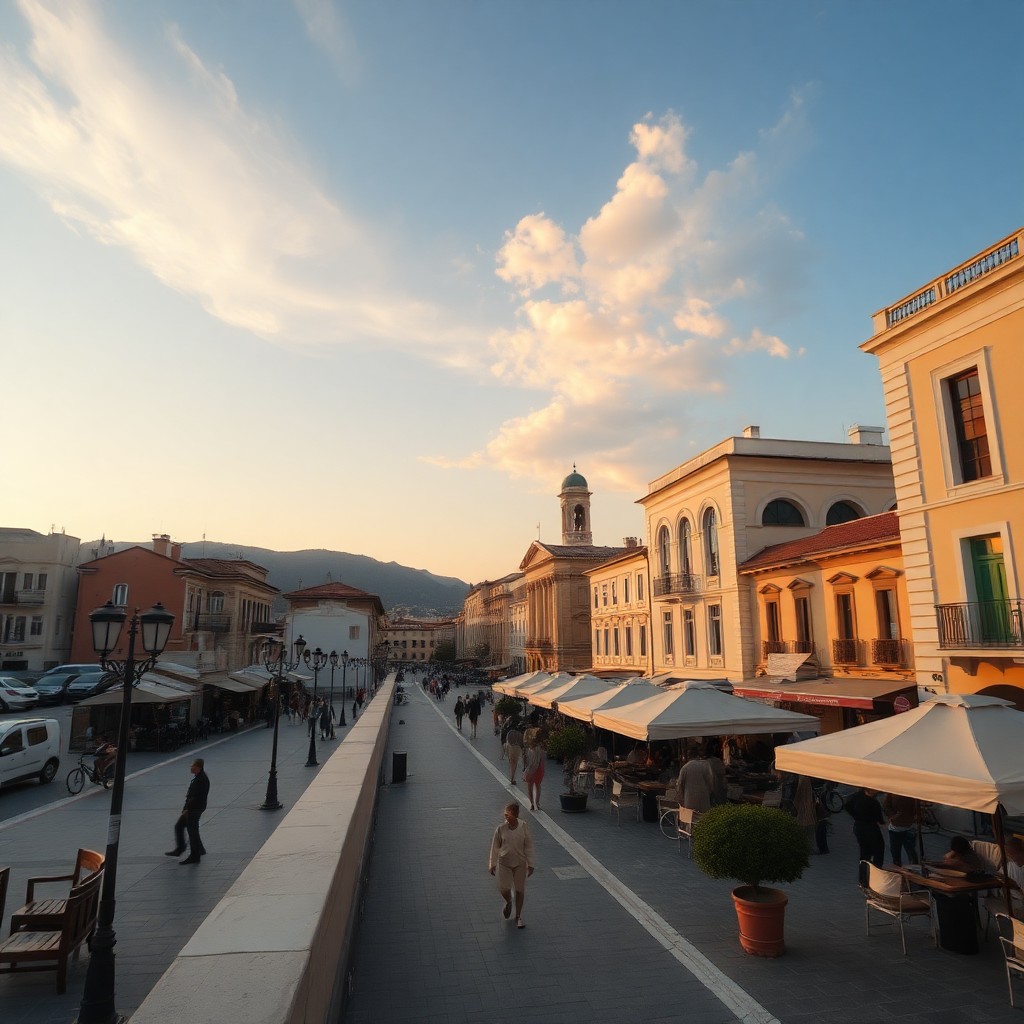
Build a realistic first journey
Ancient Olympia
The birthplace of the Olympic Games lies to the south of Patras, reached via a scenic drive through the Peloponnese countryside. The archaeological site includes the original stadium, the Temple of Zeus, and an excellent museum. The journey takes you through farmland and small villages. Allow a full day for the visit, especially if you want to explore the museum in detail.
Nafpaktos and the Rio-Antirrio Bridge
Nafpaktos is a coastal town with one of Greece's best-preserved Venetian castles and a beautiful old harbour. The drive from Patras crosses the Rio-Antirrio Bridge, a cable-stayed structure that spans the narrowest point of the Gulf of Corinth. The views from the bridge are worth the toll alone. Nafpaktos itself is compact and rewarding to walk around, with plenty of waterfront tavernas for lunch.
The Peloponnese Coast and Interior
Heading south from Patras, the coastal road leads to Aigio and the Corinthian Gulf resorts, while inland routes climb into the mountains towards Kalavryta and the ski resorts. The Peloponnese is large enough to occupy a full week by car, with ancient sites, monasteries, wine regions, and beaches distributed across its four peninsulas. Patras is the natural starting point for any of these itineraries.
Frequently asked questions
Do I need a car in Patras?
If you are only visiting the city itself, you can get around on foot or by local bus. However, a car is essential if you want to visit ancient Olympia, Nafpaktos, or any of the villages and beaches in the surrounding region. Public transport outside the city is limited and infrequent.
Can I pick up a rental car at Patras Port if I arrive by ferry from Italy?
Yes. Several suppliers have desks near the ferry terminal. Book in advance and confirm whether your supplier meets foot passengers at the terminal or requires a short transfer to an off-site office. The port area can be busy, so allow extra time for pickup.
Is the drive to ancient Olympia difficult?
No. The route is on paved roads through farmland and small towns. The last stretch into the archaeological site is well signposted. The drive is scenic rather than challenging, though rural roads can be narrower than highways. Allow extra time for traffic during the summer months.
What is the Rio-Antirrio Bridge toll?
The bridge carries a toll that varies by vehicle type. Check the current rate before you travel and make sure you have a payment method accepted at the toll plaza. The crossing itself takes only a few minutes, but queues can build during peak holiday periods.
Compare Patras Car Hire
Enter dates above, then compare pickup method, vehicle category and complete supplier terms before booking.
Continue planning with Car Hire Greece, Thessaloniki Car Hire, Car Hire Komotini, All Car Hire Locations.