

Car Hire in Derby for the Peak District and East Midlands
Derby sits at the southern edge of the Peak District, close enough to the national park that you can be walking on moorland within half an hour of leaving the city centre. It is also a significant business and manufacturing hub, with Rolls-Royce and other major employers drawing regular corporate visitors. A rental car makes sense here whether you are in town for work, visiting the university, or using Derby as a base for Peak District trails, National Trust properties, and Derbyshire market towns. We compare offers from established suppliers so you can see real options and book with confidence.
Most Derby collections happen in the city centre or close to the railway station. The city is compact, which means supplier offices are typically within walking distance of the main shopping area and the station. If you are arriving by train, confirm whether your supplier offers a station meet-and-greet or if you need to walk to a nearby office. Your voucher will contain the exact address and any special instructions.
City centre + Derby railway station
Plan this first.
A52, A38, and M1 nearby
Confirm before booking.
Peak District, business travel, Derbyshire towns
Confirm before booking.
Confirm pickup point and opening hours
Confirm before booking.
Match collection to the actual itinerary
Include transfers, parking days, opening hours and return timing when comparing the two options.
Why visitors rent a car in Derby
Derby's main draw for leisure visitors is its proximity to the Peak District. The national park's southern edges begin practically at the city boundary, with Dovedale, Monsal Dale, and Matlock all easy drives. For business travellers, a car is often essential for reaching manufacturing sites, out-of-town offices, and conference venues that are poorly served by public transport. The city is also home to the University of Derby, and parents visiting students frequently use rental cars for transporting belongings and exploring the surrounding county.
What to know about driving here
Derby city centre has a mix of one-way streets, bus lanes, and pedestrian zones that are actively enforced. The inner ring road can be busy during rush hour, and the A52 towards Nottingham sees heavy commuter traffic. Parking is available in several multi-storey facilities and surface lots, though spaces tighten during university term times and events at Pride Park Stadium. Rural roads in the Peak District are narrow, winding, and often busy with walkers and cyclists during weekends and holidays. Weather on the higher ground can change quickly, so check conditions before heading into the moors.
Plan the handover, price and first drive
Derby is a city that wears its industrial history lightly. The silk mill — widely considered the first factory in the world — still stands, and the railway works that built the Midland Railway's locomotives left their mark on the city's architecture and culture. But Derby never became a museum piece. It remains a working city, with manufacturing and engineering still providing much of the local employment, and that practical energy gives it a different feel from more obviously tourist-oriented towns.
For visitors, the real story is what lies outside the city. The Peak District starts almost at the edge of the built-up area, and within a short drive you are into a landscape of limestone gorges, dry-stone walls, and villages that seem to have been carved from the rock they stand on. The Dovedale stepping stones, the Monsal Trail, the market town of Bakewell — these are the places that draw people to Derbyshire, and they are all far more accessible with a rental car than with public transport.
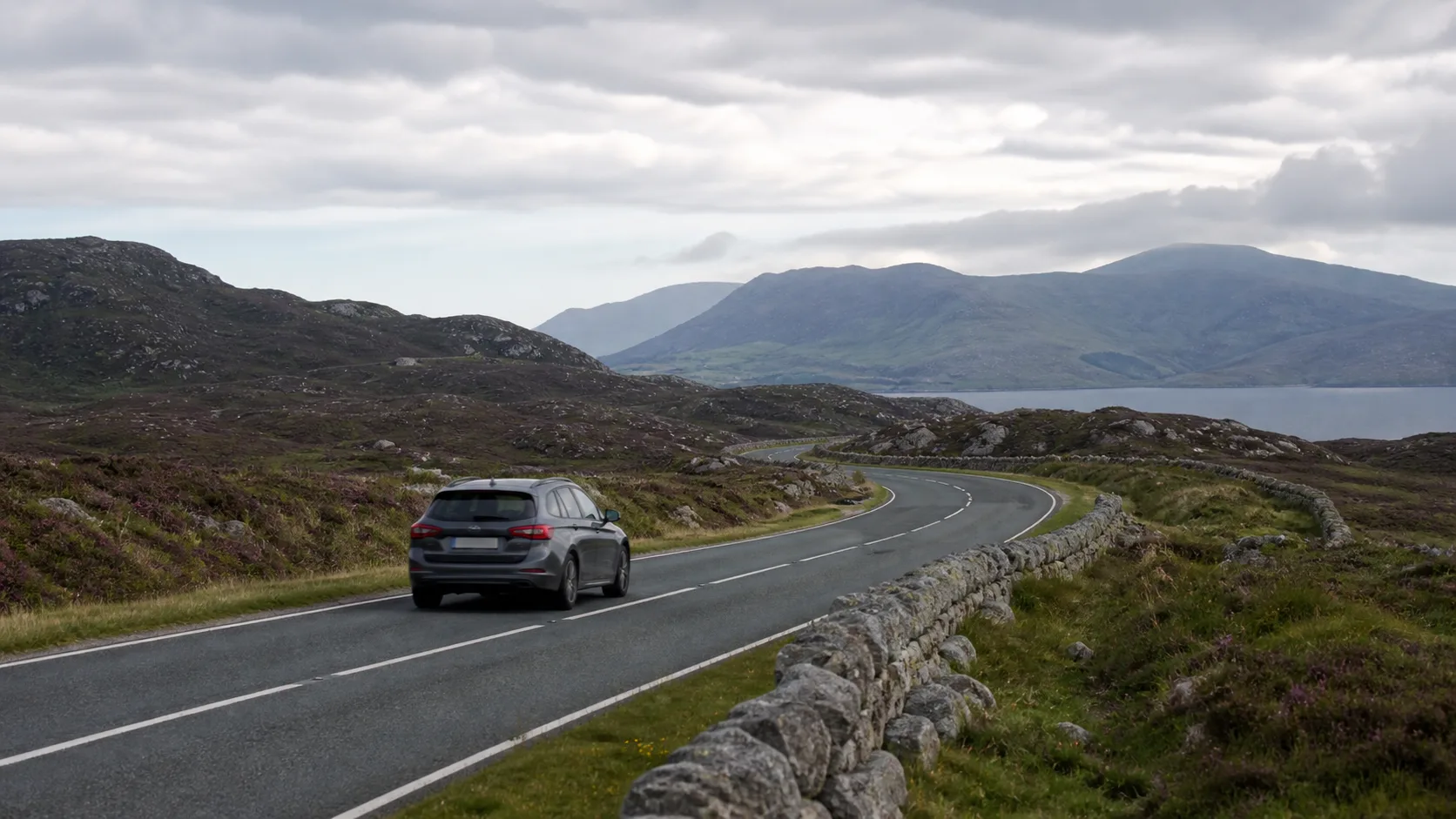
The driving itself is part of the experience. The rural lanes are narrow, often with dry-stone walls on both sides and barely enough room for two cars to pass. Sheep wander onto the road, particularly in lambing season, and walkers in high-vis vests appear around bends without warning. It is not fast driving, but it is honest driving — the kind that forces you to pay attention to the landscape rather than just passing through it.
Check the conditions behind the price
The selected supplier’s terms and booking voucher control the rental. Review them before payment and again before collection.
Total payable price
Compare the full payable amount and inclusions rather than an unsupported daily-price promise.
Deposit and payment card
Confirm the deposit, accepted card type and whose name must appear on the card.
Excess and cover
Read the renter's liability, exclusions and what any optional protection actually changes.
Fuel policy
Know the collection level, return requirement and whether a refuelling charge can apply.
Mileage and territory
Check any distance limit and where the vehicle may be driven.
Extras and return
Price additional drivers, seats, after-hours service and one-way return before payment.
Choose for people, bags and roads
A category normally represents a group of similar cars, not a promise of one exact model.
- Compact: convenient for couples and tighter parking.
- Intermediate: more room for bags and longer journeys.
- Family or SUV category: useful only when the required capacity justifies it.
- Transmission: select automatic explicitly if manual is unsuitable.
Practical planning before departure
Picking up your vehicle
City-centre and station-adjacent offices are typical. Bring your driving licence, credit card in the lead driver's name, and your booking voucher. Some suppliers require additional ID, so check your confirmation in advance.
Driving beyond Derby
The A52 leads east to Nottingham and west towards Ashbourne and the Peak District. The A38 and M1 provide north-south connections. Motorway traffic can be heavy during peak times, so allow extra time.
Parking approach
Multi-storey and surface car parks serve the centre. Some areas have resident-only restrictions. Hotel parking policies vary — some include spaces, others direct guests to public facilities. Peak District villages have limited parking that fills early on sunny weekends.
Local access, road and operating conditions can change. Check current signs, your supplier instructions and the linked source before travelling: UK official tourism information.
Build a realistic first journey
Peak District southern edges
Take the A6 north towards Matlock and Bakewell for limestone dales, country pubs, and walking trails. The route passes through several Peak District villages with limited parking, so start early on popular days.
Dovedale and the Dove Valley
Drive north-west via Ashbourne for the famous stepping stones and riverside walks. The lanes are narrow and scenic, with frequent walkers and slow-moving traffic during peak season.
National Trust properties
Head towards Kedleston Hall just west of the city, or continue south to Calke Abbey. Both offer grounds walks and historical interiors within easy reach of Derby.
Frequently asked questions
Do I need a car in Derby?
The city centre has reasonable bus connections, but a car is strongly recommended for the Peak District and rural Derbyshire. Public transport to villages and trailheads is infrequent and often does not run on Sundays.
Can I collect at Derby railway station?
Some suppliers offer station pick-up or a short walk to a nearby office. Your voucher will specify the exact location and whether a meet-and-greet is provided.
Is parking difficult in Derby?
City centre multi-storeys are available, though university terms and stadium events increase demand. Peak District parking is limited and fills early on weekends and bank holidays.
What documents do I need at collection?
A valid driving licence, credit card in the main driver's name for the security deposit, and your booking voucher. Additional ID requirements vary by supplier.
Compare Derby car hire
Enter dates above, then compare pickup method, vehicle category and complete supplier terms before booking.
Continue planning with UK car hire, Inverness Car Hire, Marble Arch Car Hire, Southend-on-Sea Car Hire.