

Palma de Mallorca Car Hire — Explore the Island Beyond the Resorts
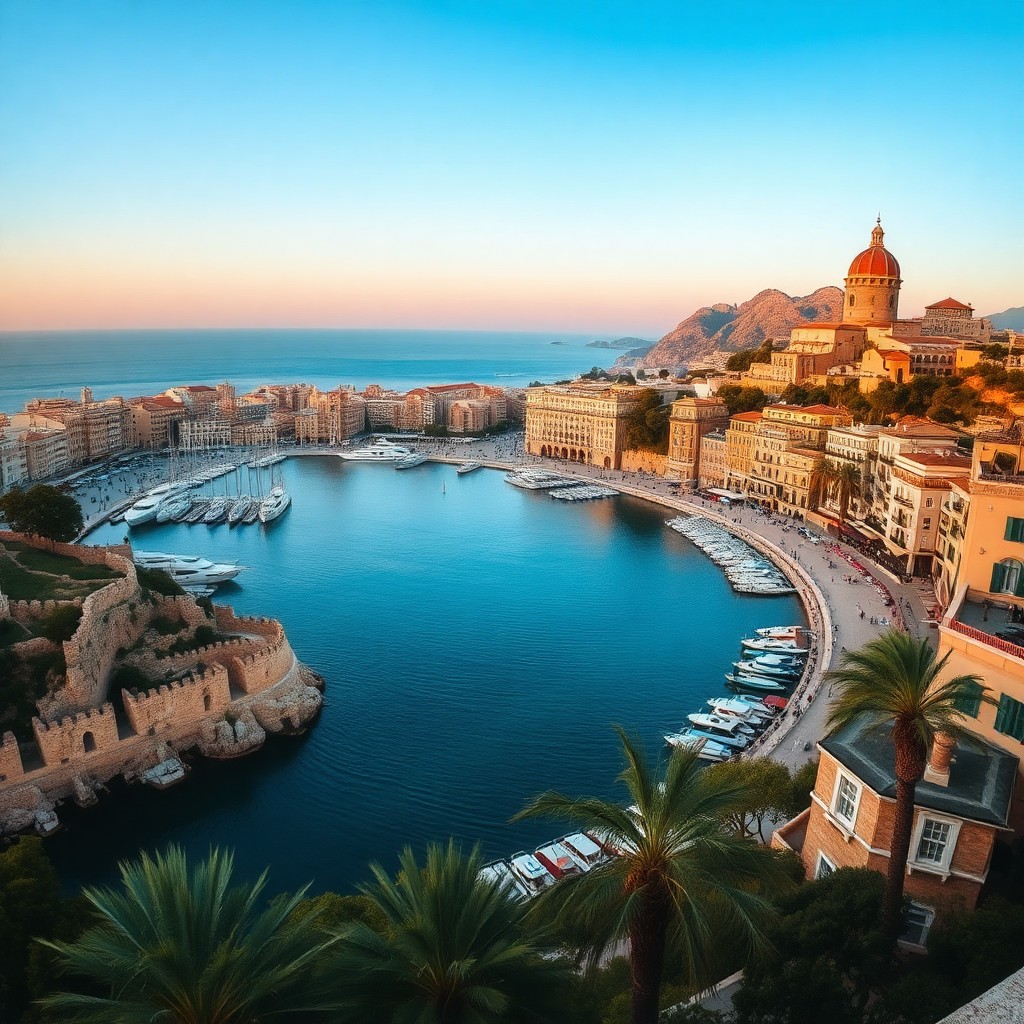
Palma de Mallorca is more than an airport and a beach strip. It is a working city with a Gothic cathedral, a Moorish palace, and a food scene that competes with anything on the Spanish mainland. But most visitors who hire a car here are thinking about what lies outside the city — the mountain villages, the hidden calas, the vineyards, and the cycling roads that draw professionals every spring. A rental car turns Palma from a base into a starting point.
Hiring a car in Palma makes sense when your plans extend beyond the city limits. The Serra de Tramuntana, the northern bays, and the eastern coves are all accessible by bus in theory, but in practice the timetables are sparse and the routes rarely reach the best spots. With a car, you can leave after breakfast, reach a mountain village for lunch, and be on a quiet beach by mid-afternoon. The island is compact enough for day trips but varied enough to reward repeated exploration.
Balearic Islands, Spain
Plan this first.
Palma de Mallorca Airport (PMI)
Confirm before booking.
City, mountains, beaches, cycling
Confirm before booking.
Right-hand traffic
Confirm before booking.
Match collection to the actual itinerary
Include transfers, parking days, opening hours and return timing when comparing the two options.
Palma City Centre Collection
City offices in Palma are typically located near the port, the cathedral area, or major hotels. Collecting here works well if you are spending your first days in the city before exploring the island. You avoid the airport queue and the airport surcharge, and you do not pay for a car you are not using while walking around the old town. Check the office address and opening hours on your voucher — some city locations close early or require a pre-booked appointment.
Airport Collection at PMI
If you are arriving by air and heading straight out of Palma, collecting at the airport is the practical choice. It saves a transfer into the city and back out again. All major suppliers operate at PMI, though the exact counter location varies. Some are inside the terminal, others use a shuttle to an off-site compound. Confirm the details on your voucher before you fly, and note the contact number in case of delays.
Plan the handover, price and first drive
Palma de Mallorca surprises people. They arrive expecting an airport-and-resort island and find a city with a Gothic cathedral that rises above the sea like a stone ship, a food market that sells everything from sobrasada to sea urchins, and neighbourhoods where Mallorcans live and work untouched by the tourism that defines the coast. It is worth spending a day or two here before you pick up the car.
When you do head out, the island reveals itself in layers. The Tramuntana mountains are the obvious draw — limestone peaks, dry-stone terraces, villages that look like they belong in Tuscany. But the interior has its own charm: windmills, vineyards, fields of almond trees that blossom white in February. The east coast is quieter, wilder, with coves that require effort to reach but reward that effort with some of the clearest water in the Mediterranean.
Mallorca is an island that benefits from slow travel. The temptation is to tick off villages and beaches in a packed itinerary, but the best experiences come from leaving room for the unexpected — a lunch that stretches into the afternoon, a road that leads to a viewpoint not on the map, a swimming spot you find because you took a wrong turn. A rental car is the tool that makes this possible. Without it, you are on someone else's schedule. With it, the island is yours to explore.
Check the conditions behind the price
The selected supplier’s terms and booking voucher control the rental. Review them before payment and again before collection.
Total payable price
Compare the full payable amount and inclusions rather than an unsupported daily-price promise.
Deposit and payment card
Confirm the deposit, accepted card type and whose name must appear on the card.
Excess and cover
Read the renter's liability, exclusions and what any optional protection actually changes.
Fuel policy
Know the collection level, return requirement and whether a refuelling charge can apply.
Mileage and territory
Check any distance limit and where the vehicle may be driven.
Extras and return
Price additional drivers, seats, after-hours service and one-way return before payment.
Choose for people, bags and roads
A category normally represents a group of similar cars, not a promise of one exact model.
- Compact: convenient for couples and tighter parking.
- Intermediate: more room for bags and longer journeys.
- Family or SUV category: useful only when the required capacity justifies it.
- Transmission: select automatic explicitly if manual is unsuitable.
Practical planning before departure
Driving in Palma and Across Mallorca
Palma's historic centre is a maze of one-way streets and limited-access zones. If you are staying centrally, you may not need the car for the first few days. When you do drive, follow the current signs and posted limits rather than relying on older information. Main roads are well-maintained, but mountain routes are narrow and steep. The Ma-10 through the Tramuntana is one of Spain's great drives, but it demands attention — cyclists, bends, and sheer drops are constant companions.
Parking in Palma and Beyond
Parking in Palma is regulated and often metered. Most hotels in the centre do not offer free parking. Public car parks are available but fill quickly in summer. Outside the city, beach and village parking is easier but can still be tight at popular spots during July and August. Always read the current signs and avoid blocking access roads, as local police enforce restrictions strictly.
Documents and Licence Requirements
A valid driving licence is required. EU licence holders generally do not need additional paperwork. Visitors from outside the EU should check whether their licence requires an International Driving Permit, as this varies by country of issue. A credit card in the main driver's name is almost always required for the security deposit. Check the supplier's policy on additional drivers and age restrictions before booking.
When to Book and What to Expect
Mallorca is busiest from June to September, with Easter and the spring cycling season also seeing high demand. Prices rise and availability falls during these periods. Booking in advance is strongly recommended, especially if you need a specific vehicle size or automatic transmission. The winter months are quieter and er, though some rural businesses and mountain roads may have reduced hours or weather-related closures.
Local access, road and operating conditions can change. Check current signs, your supplier instructions and the linked source before travelling: Spain official tourism information.
Build a realistic first journey
The Tramuntana Mountain Villages
The Serra de Tramuntana runs along Mallorca's northwest coast and is the island's defining landscape. From Palma, the road climbs through olive groves and stone terraces to villages such as Valldemossa, Deià, and Sóller. Each has its own appeal — Valldemossa for its monastery, Deià for its artistic history, Sóller for its orange groves and vintage train connection to Palma. The road is narrow and winding, with sea views on one side and rock face on the other. Allow plenty of time and drive defensively.
Northern Bays and Formentor
The drive north from Palma passes through Inca, the island's market town, and on to the long beaches of the Bay of Alcúdia. Beyond Pollença, the road to Cap de Formentor offers some of Mallorca's most dramatic coastal scenery. The lighthouse at the end looks out over the Mediterranean, and there are walking trails and quiet coves along the way. This is a popular route in summer — start early to avoid the crowds.
Eastern Calas and Rural Interior
Mallorca's east coast is cala country — small, sheltered coves with clear water and pine-backed shores. Caló des Moro, Cala Llombards, and Cala Mondragó are among the highlights, though parking is limited and some require a short walk. Further inland, the fertile plain around Felanitx is dotted with vineyards and windmills. These are not places you reach by public transport. A rental car is the only practical way to explore them at your own pace.
Frequently asked questions
Do I need a car in Palma de Mallorca?
Not for the city itself. Palma's old town, cathedral, and waterfront are easily explored on foot or by bus. A car becomes essential if you want to visit the Tramuntana mountains, the northern bays, or the eastern calas. If your stay is city-only, skip the rental. If you plan to explore the island, hire one for part or all of your trip.
Is it better to collect at the airport or in the city?
Airport collection suits those arriving by air and heading straight out of Palma. City collection works if you are spending time in Palma first or arriving by other means. Compare the total cost including any airport surcharge, and check the opening hours of your chosen office. Some city locations have limited hours or require appointments.
What are the roads like in Mallorca?
Main roads and motorways are in good condition. Mountain roads are scenic but narrow, steep, and shared with cyclists. The Ma-10 through the Tramuntana is particularly demanding. Drive carefully, allow extra time, and avoid rushing. There are no tolls on the island, which simplifies navigation.
When should I book a hire car for Palma?
As early as possible for summer travel (June–September), Easter, and the spring cycling season. Prices rise and availability falls during peak periods. The winter months offer lower rates and quieter roads, though some rural attractions may have reduced hours.
Compare Palma De Mallorca car hire
Enter dates above, then compare pickup method, vehicle category and complete supplier terms before booking.
Continue planning with Palma de Mallorca Airport, Spain car hire overview, Spain car hire locations, all Spain car hire locations.