
Driving from Zadar to Plitvice Lakes: A Scenic Road Trip Guide | 365 Car Hire
The Zadar to Plitvice Lakes Drive: Croatia’s Most Rewarding Day Trip
If you’re based on the Dalmatian coast and want to see Croatia’s most famous natural wonder, the drive from Zadar to Plitvice Lakes National Park is hard to beat. At just under two hours each way, it’s an easy day trip — but the route itself is half the experience. Rolling hills, karst landscapes, and the occasional mountain village flash past your window. Do it right, and you’ll arrive at the park already in awe.
Here’s the honest truth: buses run from Zadar to Plitvice, but they drop you at the entrance for a fixed four-hour window and leave. With a rental car, you control the timeline. Leave at dawn, beat the tour buses, stop for coffee in a village no guidebook mentions, and stay as long as the waterfalls hold your attention.
The Route: Zadar to Plitvice Lakes (Entrance 1)
The most direct route follows the A1 motorway north toward Zagreb, then exits at Grabovac for Entrance 1 or Ogulin for Entrance 2. Total distance is roughly 130 kilometres, and the drive takes 1 hour 30 minutes to 1 hour 45 minutes depending on traffic and how enthusiastically you stick to speed limits.
From Zadar city centre, head inland toward the A1 motorway entrance. The motorway is toll road — budget roughly €8–12 each way depending on your exit point. Croatian motorways are well-maintained, signposted in both Croatian and English, and mostly empty outside July and August. Even in peak season, the A1 flows smoothly compared to the coastal D8 road.
At the Grabovac exit, follow local signs toward Plitvice Lakes National Park Entrance 1 (also called Rastovača). The last 10 kilometres wind through forest and farmland. It’s a pretty approach — tall pines, occasional farmhouses, and the first hint that you’re entering something special.
A Scenic Alternative: The Old Road Through Gračac and Korenica
If you have an extra 30–40 minutes and prefer backroads to motorways, take the D54 from Zadar toward Gračac, then join the D1 north toward Korenica and Plitvice. This route cuts through the foothills of the Velebit mountains, past meadows and small settlements that feel unchanged in decades.
The D54 is narrower and windier than the motorway, but the surface is good. You’ll pass through Gračac, a quiet town with a few cafés and a petrol station — handy if you need fuel or a bathroom break. From Gračac, the D1 climbs gently toward Korenica, with views opening up across karst plateaus and distant ridges. In autumn, this road is lined with wild pomegranate trees and the occasional roadside stall selling local honey.
This route is particularly worth considering if you’re doing the drive as part of a longer Croatian road trip. It connects naturally with routes heading toward Split or continuing north toward Rijeka and the Istrian peninsula.
Where to Stop Along the Way
Most people blast straight to the park. That’s fine, but you’re missing out. Here are three stops that add value without eating your day:
Karlovac (Motorway Route)
If you’re taking the A1, Karlovac sits roughly halfway between Zadar and Zagreb — about 45 minutes from Plitvice. The old town has four historic fortresses and a surprisingly good coffee scene along the Korana river. It’s not a tourist destination, which is exactly why it works as a relaxed mid-morning break.
Korenica Village
Just south of the park, Korenica is the last proper settlement before Plitvice. There are a few guesthouses, a small supermarket, and a couple of restaurants serving honest Croatian home cooking. If you forgot water or snacks for the park, this is your last chance before park prices.
Rastoke (Optional Extension)
About 30 minutes southeast of Plitvice, Rastoke is a tiny village where the Slunjčica river drops through cascading waterfalls before joining the Korana. It’s nicknamed “the small Plitvice” and makes an excellent add-on if you have energy left after the main park. The wooden houses perched over the water are worth a photo stop — not Instagram bait, just a lived-in village that happens to look like a postcard.
Parking at Plitvice Lakes: What You Need to Know
Plitvice has two main entrances, each with its own paid car park:
- Entrance 1 (Rastovača): The original and most popular entrance. Large car park, €1.50–2.50 per hour depending on season. Gets busy by 9:30am in July and August. Arrive before 8:30am for a stress-free spot close to the entrance.
- Entrance 2 (Hrvoje): Slightly smaller car park, same pricing. Often less crowded because fewer tour buses use it. If Entrance 1 is full, staff direct overflow here automatically.
Parking is charged by the hour and payable at machines near the entrance. Bring coins — card readers exist but are not always reliable. In peak season (June–September), the car parks fill by 10:00am. If you’re doing the Zadar to Plitvice drive as a day trip, leaving Zadar by 7:00am puts you at the park gates right as they open.
There’s also a small overflow car park near Entrance 1 for campervans and larger vehicles. Standard rental cars fit easily in the regular bays.
Driving Tips for the Zadar–Plitvice Route
Fuel up before you leave Zadar. Petrol stations exist along the A1 (Lučko, Karlovac) and in Gračac on the backroad route, but there are none near the park itself. The last reliable fill-up before Entrance 1 is in Korenica, roughly 8 kilometres south.
Toll roads require cash or card. Croatian motorways use electronic toll collection. You take a ticket at the entrance barrier and pay at the exit. Cards are accepted at all major toll plazas, but having €20 in cash is sensible backup.
Watch for wildlife at dawn and dusk. The forested sections near the park are active with deer, foxes, and occasional wild boar. They’re great to spot — not something you want to hit at 80 km/h.
Speed limits are enforced. The A1 has a 130 km/h limit, but mobile speed cameras are common. On the D1 and D54 backroads, limits drop to 50–70 km/h through villages. Croatian police are efficient and unforgiving with fines.
How Long to Spend at Plitvice Lakes
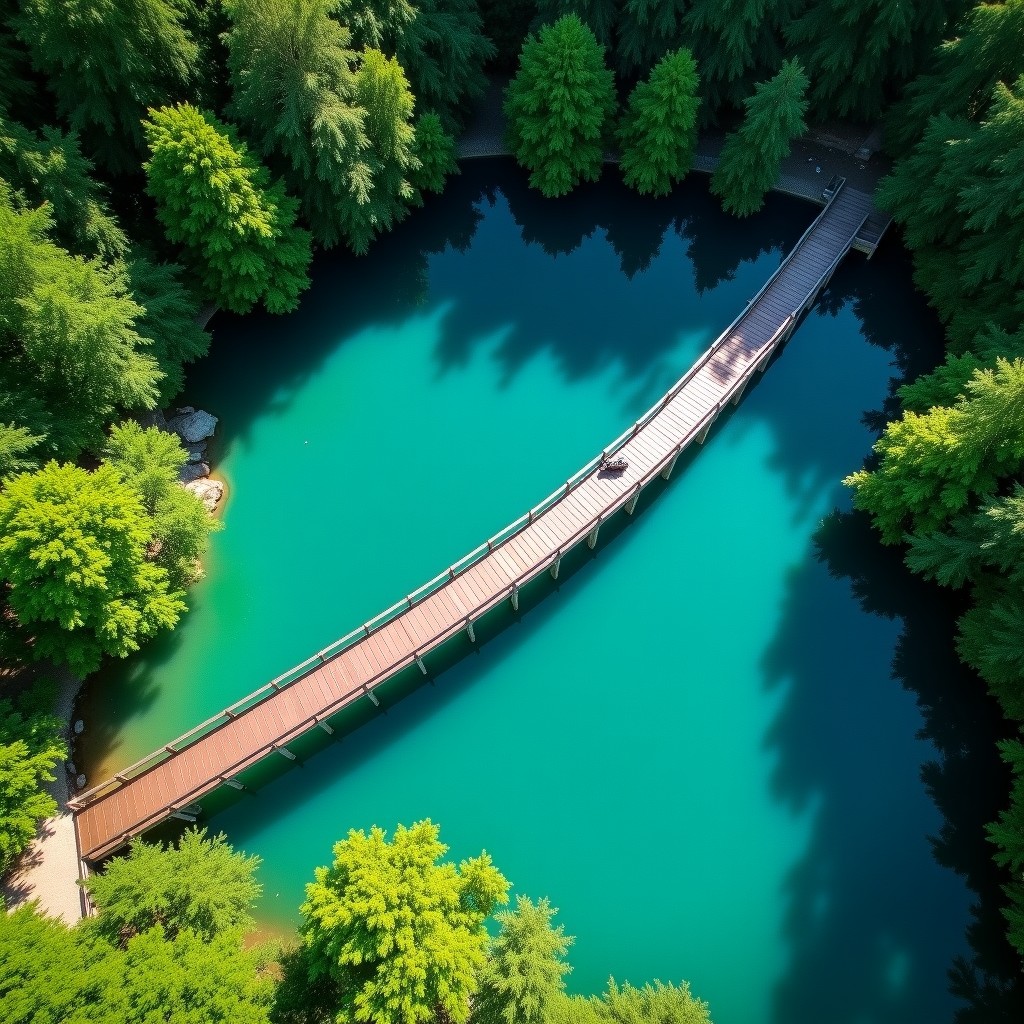
The park has two main loops — the lower lakes (shorter, denser waterfalls) and the upper lakes (longer, more forested, slightly less crowded). Most visitors do both in a single day, which takes roughly 5–7 hours of walking including breaks.
If you’re driving from Zadar, a realistic schedule looks like this:
- 07:00 — Leave Zadar
- 08:45 — Arrive at Entrance 1, park, buy tickets
- 09:00–15:00 — Walk the full park circuit (lower + upper lakes)
- 15:30 — Back at the car, optional stop in Korenica or Rastoke
- 17:30 — Back in Zadar with time for dinner
If you want a shorter day, focus on the lower lakes only (3–4 hours) and skip the upper loop. It’s still worth the walk, and you’ll be back in Zadar by mid-afternoon.
Car Hire Tips for the Trip
For this route, any standard vehicle works fine. The motorway is smooth, and even the backroad alternative is fully sealed. You don’t need 4WD or anything fancy. What matters more is:
- Booking early — Zadar car hire availability shrinks in July and August
- Full-to-full fuel policy — avoids inflated refuel charges
- No hidden fees — the price you see should be the price you pay
- Free cancellation — useful if your plans change
If you’re continuing your trip after Plitvice — perhaps heading toward Split, Dubrovnik, or north to Zagreb — consider a one-way rental. Most major suppliers allow drop-off at different Croatian cities for a modest fee.
When to Visit Plitvice Lakes
Spring (April–May) and autumn (September–October) are the sweet spots. Water levels are high, colours are vivid, and crowds are manageable. Summer is impressive but busy — arrive early or stay overnight nearby to beat the rush. Winter has its own quiet magic, though some boardwalks may be closed due to ice.
Related Destinations
Looking for more Croatian road trip ideas? Also explore our guides to car hire in Split, Dubrovnik car rental, and driving across Croatia. If you’re heading north after Plitvice, Zagreb car hire opens up routes into Slovenia and Hungary.
Ready to book? Visit our homepage for the best hire car deals.